How to Grow Sea Thrift? An Introduction to the Plant That Watches Over the Sea and Its Cultivation Methods
Sea thrift was originally a small flower growing by the seaside, clustering into dense spherical forms; planted in groups, it can create a very beautiful landscape and is a much-loved ornamental flower. Now let us take a look together.
I. Introduction to Sea Thrift
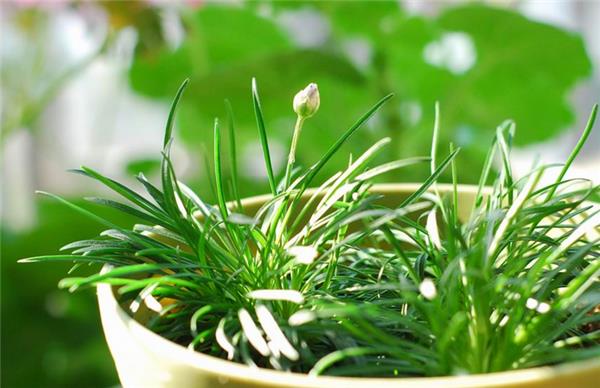
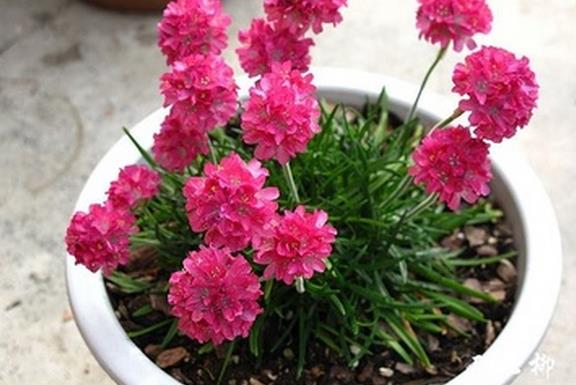
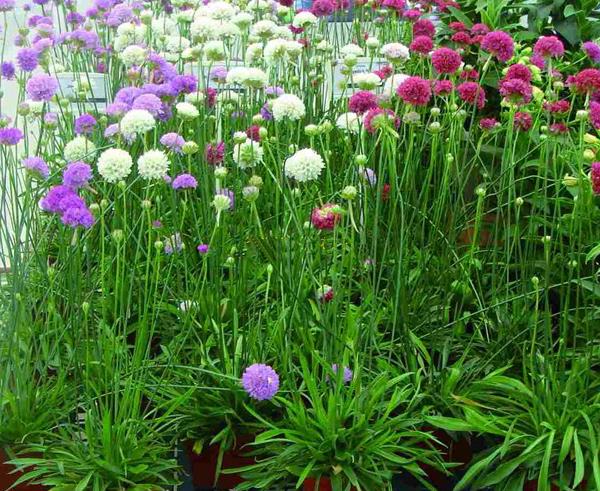
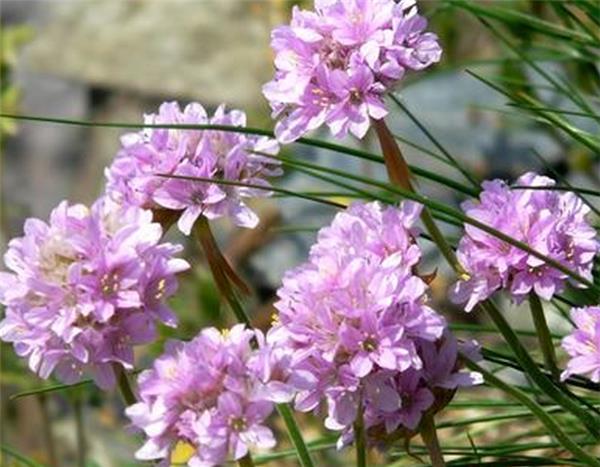
Sea thrift is a perennial herbaceous plant in the family Plumbaginaceae, genus Armeria, native to Europe and the Americas. Sea thrift flowers come in peach pink and white. Native to southern Europe, this perennial plant of the family Plumbaginaceae can be roughly divided into two lines: the broad-leaved type and the fine-leaved type. Potted specimens are commonly of the fine-leaved type, while the broad-leaved type has larger flowers and is often used for cut flowers. Sea thrift blooms from about March to June. Flower stalks emerge from the leaf rosette, and the tips of the stalks bear small flowers in spherical head-like inflorescences, resembling ancient hairpins, which is why it is also called "shore hairpin flower." After the fine-leaved type finishes blooming, its dark green needle-like leaves, if planted as a patch, can also serve as a lawn.
II. Cultivation Techniques for Sea Thrift
1. Growing Medium
For sea thrift, leaf mold rich in organic matter is best.
2. Temperature and Light
The optimal growing temperature for sea thrift is 15-25°C. During the growing period it requires ample light and should be placed in a sunny spot. In summer, diffused light is preferable, avoiding harsh direct sun. When temperatures are high, shade and cool it down.
3. Fertilizer and Water Management
Sea thrift does not need much fertilizer, so during cultivation it is enough to apply a 1000-fold dilution of Hyponex No. 2 once every 2-3 weeks. Watering should be moderate; watering heavily when the temperature is high and the water is cold, or after a long drought when temperatures are high, will damage the root system of sea thrift.
4. Key Planting Points
(1) Germination conditions for sea thrift (temperature, soil covering, and whether light is required, etc.): 20-21°C
(2) Days required for germination: 4-10 days
(3) Optimal growing temperature for sea thrift (day/night): 10-13°C
(4) Light requirements for growth and other growing conditions: partial shade or partial light
(5) Time from sowing to flowering (or harvest): 14-17 weeks
(6) Height when grown in the ground (cm): 35-60
(7) Uses of sea thrift: flower bed and large container cultivation
III. The Value of Sea Thrift
1. Ornamental Value
Sea thrift plants are low-growing and have a wide range of applications in horticulture; they can be used as potted plants, and also in flower beds, landscape arrangements, and rock gardens. It is a spring-blooming plant, and its compact, petite form is deeply loved by people. During the flowering period, a large number of rose-pink flowers bloom on the compact plant. Its vivid flower color, long blooming period, and dark green grass-like leaves are much appreciated by everyone.
2. Garden Uses of Sea Thrift
Sea thrift likes sunny conditions and well-drained sandy soil, and can be used for flower beds, flower borders, rock gardens, cut flowers, and potted flowers. Sea thrift has a petite and lovely form and vivid flower colors, suitable for flower bed landscaping, small pots, or as ground cover.
IV. The Flower Language of Sea Thrift
Sea thrift flower language: sympathy.
Gift-giving etiquette: it can be made into a dried flower bouquet, tied with a plaid ribbon, fitted with a pin, and placed in a gift box.
The above is the knowledge about sea thrift; I hope it can help you.