What to Do When the Leaves of Large-Leaf Gardenia Turn Yellow? Causes and Solutions
Gardenia is a great helper for improving the home environment and also an excellent plant for improving community air quality. So do you know how to grow this plant? Let's take a look together!
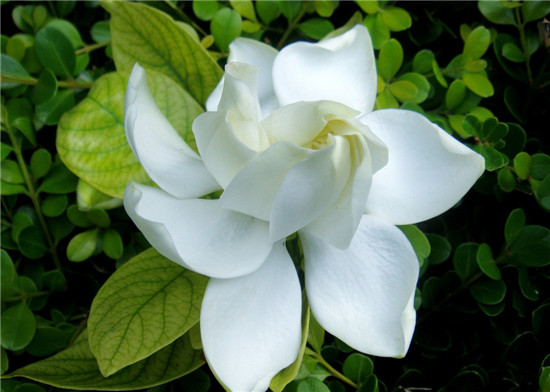
As more and more people make use of their indoor spaces, many people are probably concerned about questions such as whether gardenia is toxic. In fact, gardenia is not toxic, and its fragrance is rich, so it can be worn as a corsage. The flowers, fruit, leaves and roots all have the effects of clearing fire and relieving restlessness, clearing heat and promoting urination, and cooling blood and detoxifying. With so many advantages, its flower language is also very good: "eternal love, a lifetime of waiting and joy."
As for the question of what to do when gardenia leaves turn yellow, as long as you find the right cause, solving it is actually not difficult. When cultivated in indoor spaces, there are many causes of gardenia leaves turning yellow. The common cause of gardenia leaves turning yellow is a physiological disease known as "chlorosis."
What causes gardenia leaves to turn yellow? On one hand, early summer is when it blooms and sends out new branches, so a small number of old leaves turning yellow and dropping off is normal (the replacement of old and new leaves); just be sure to supplement phosphorus and potassium fertilizer. On the other hand, if there are many small holes on the leaf surface, and they are abnormal, pay attention to controlling red spider mites, yellow spider mites, aphids and lepidopteran larvae. Red and yellow spider mites are mainly found on the underside of older leaves; they are about the size of a needle tip and are red or yellow, visible to the naked eye if you look carefully. Pesticide: propargite. Aphids mainly harm new leaves; they are slightly larger than a needle tip and come in various colors such as gray, dark green and grayish black. Pesticide: imidacloprid (a systemic pesticide that can prevent and control many pests), etc. Lepidoptera larvae often occur on large gardenia branches in May, June and July. They look like silkworms, are relatively small in the larval stage (about 3 mm) and gradually grow larger, and can bite leaves into larger holes or gaps. Pesticide: dichlorvos, trichlorfon, etc.
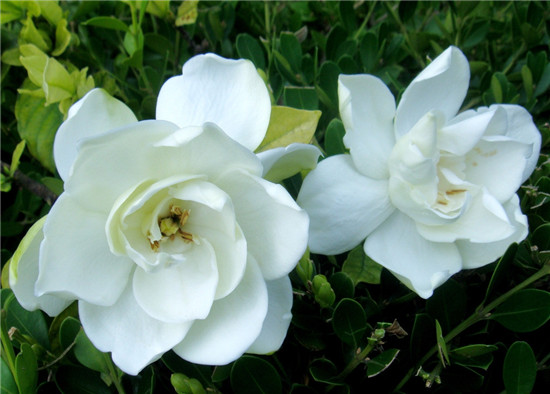
What to do when gardenia leaves turn yellow? Gardenia likes sunlight, but it should not be exposed to strong direct sunlight. So when planted in the ground, it should have the shade of large trees. Potted gardenia should be kept in a shaded place for care, and should not be placed on a balcony or terrace in direct sunlight, otherwise gardenia is easily scorched, causing yellow and scorched leaves.
There are many causes of gardenia leaves turning yellow; in rare cases it is caused by the physiological disease chlorosis. Whether potted or planted in the ground, if the soil is alkaline or lacks iron, it occurs relatively commonly. Iron deficiency shows as yellowing between the veins of young leaves; in severe cases the entire plant's leaves turn yellow, and even scorched leaves and withered branches appear, eventually causing the plant to die. Therefore, gardenia planted in the ground should preferably be given well-drained, loose and fertile acidic soil; for potting, use 2 parts leaf mold and 1 part garden soil, and it is even better if some mountain soil is mixed in. If yellow-leaf disease occurs during the growing period from May to September, add 0.1% ferrous sulfate or 0.5% ammonium sulfate to the fertilizer solution and apply it 12 times a month, which can achieve relatively good results.
How to Care for Gardenia
1. Sexual reproduction: generally choose plump, dark red ripe fruit, dry or air-dry them with the husk as seed. Before sowing, cut open the seed husk with scissors, dig out the seeds, rub them apart in hot water, remove floating seeds or impurities, and then scoop out the sunken, plump seeds.
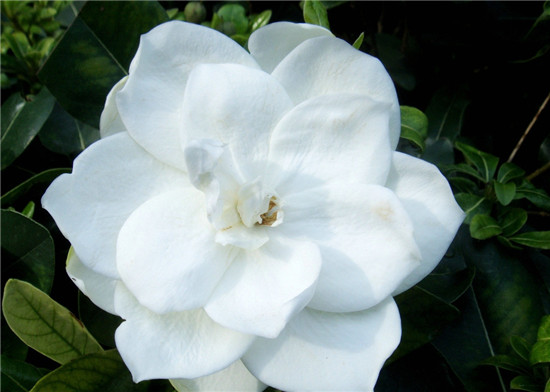
2. Asexual reproduction: cutting method - can be divided into spring cuttings and autumn cuttings. For the cuttings, choose healthy 2-3 year old branches, cut 10-12 cm, remove the lower leaves, keep the top two leaves and cut each in half, first dip them in vitamin B12 injection, then insert them obliquely into the cutting bed, leaving only one node above the surface. Be careful to shade them and maintain a certain humidity. When the rooted seedlings begin to grow, transplant them or pot them individually.
3. Give it an acidic environment. If the soil, water and fertilizer contain alkali, the plant cannot absorb iron, which affects the formation of chlorophyll, causing branches to wither, leaves to scorch, and even death. Use fertile, loose, well-drained acidic soil. For example, thoroughly composted pine sawdust mixed into the soil also works very well.
4. Control the amount of light. It likes cool shade by nature and must never be exposed to scorching sun, but some people mistakenly think that gardenia requires full shade, which leads to mistakes in cultivation. In fact, while paying attention to cultivating a cool environment for it, it is necessary to maintain 60% light all day to meet its growth needs.
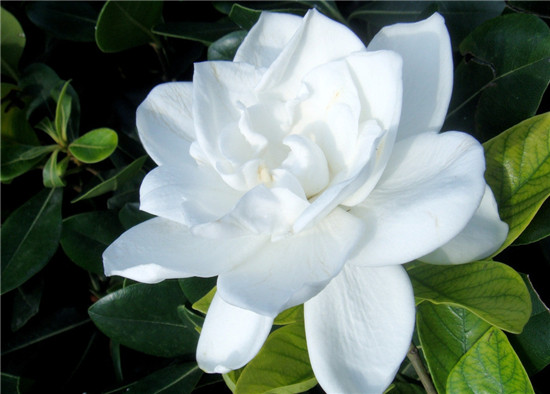
5. Chlorosis: it occurs relatively commonly and is caused by many factors, so different measures must be taken for prevention and control. Generally apply decomposed human manure and urine or cake fertilizer. When iron is deficient, the veins of young leaves turn yellow between them; in severe cases the entire plant's leaves turn yellow, and even scorched leaves and withered branches appear, eventually causing the plant to die. For this situation, spray a 0.2%-0.5% ferrous sulfate aqueous solution for prevention and control.
6. Sooty mold: it occurs on branches and leaves. Once found, it can be wiped clean with water, or spray 0.3 degrees Baume lime sulfur mixture, or 1000-1200 times carbendazim.
7. Rot disease: it often occurs on the lower main trunk, causing the stem to swell and crack. Once found, immediately scrape it off or apply 5-10 degrees lime sulfur mixture; only several applications will be effective.
The above is the full content I have summarized for you on what to do when the leaves of large-leaf gardenia turn yellow. I hope this article can help everyone. Please also continue to follow us.
It is caused by many factors, so different measures must be taken for prevention and control. Generally apply decomposed human manure and urine or cake fertilizer. When iron is deficient, the veins of young leaves turn yellow between them; in severe cases the entire plant's leaves turn yellow, and even scorched leaves and withered branches appear, eventually causing the plant to die. For this situation, spray a 0.2%-0.5% ferrous sulfate aqueous solution for prevention and control.6. Sooty mold: it occurs on branches and leaves. Once found, it can be wiped clean with water, or spray 0.3 degrees Baume lime sulfur mixture, or 1000-1200 times carbendazim.
7. Rot disease: it often occurs on the lower main trunk, causing the stem to swell and crack. Once found, immediately scrape it off or apply 5-10 degrees lime sulfur mixture; only several applications will be effective.
The above is the full content I have summarized for you on what to do when the leaves of large-leaf gardenia turn yellow. I hope this article can help everyone. Please also continue to follow us.