An introduction to bowl lotus and growing tips, teaching you to grow an elegant and graceful bowl lotus
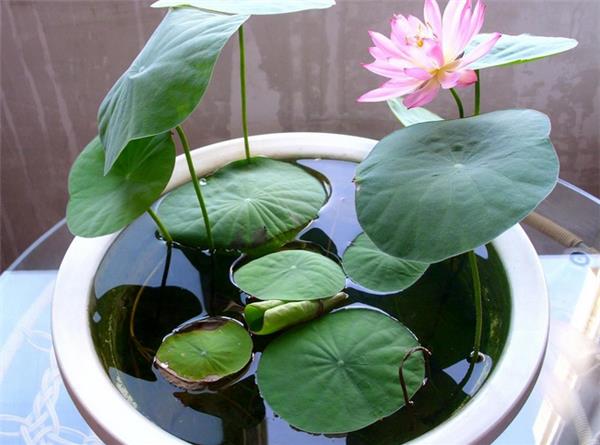
Bowl lotus, as the name suggests, is a lotus grown in a bowl. Also called bowl lotus or pot lotus, it is a lotus planted in a bowl, specifically for placing on indoor tables to beautify the living environment. Now let's take a look at the knowledge about bowl lotus.
I. Introduction to bowl lotus
Bowl lotus is a perennial emergent aquatic plant, with its underground stem buried deep in the mud at the bottom of the water. It blooms in summer, with flowers standing singly. The seeds have a hard, water-impermeable seed coat and can remain uncorrupted for over a thousand years. It likes plenty of sunlight and does not tolerate shade. It likes warmth, with an optimum growth temperature of 20-30°C; growth stops when the temperature falls below 15°C. It likes moisture and fears drying out, and prefers relatively stable still water. Fertile clay rich in organic matter is ideal. The suitable pH is 6.5.
II. Cultivation techniques for bowl lotus
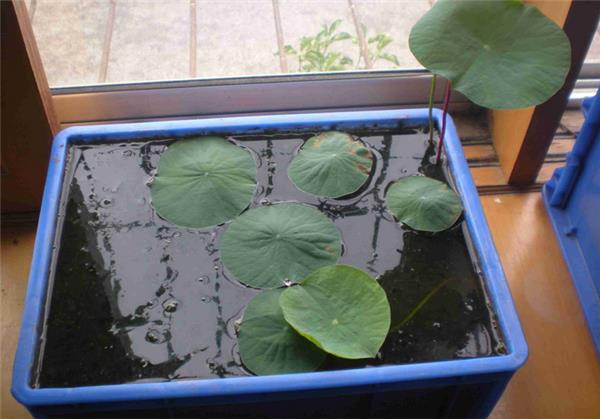
To grow bowl lotus, it is best to choose excellent varieties with a flower diameter of 7-8cm or less, a plant height of about 20-25cm, and upright leaves no more than 15cm, such as the precious varieties "Jiaorong", "Wawa Lian", "Snow White", and "Drunken Cup". The cultivation container must not be too small; if the container is too small, it will not bloom easily. A household vegetable bowl generally has a diameter of only 15cm, which is too small. It is best to use a small round vat with a diameter of 25cm and a height of about 20cm. For the growing soil, fertile river pond mud is the most ideal choice. Planting can be done around Qingming. First spread a 3-4cm thick layer of humus soil on the bottom of the vat and mix in some fermented cake fertilizer liquid. Then add growing soil (leave 5-6cm from the rim to store water) and a small amount of water, and mix into a thin paste. Then place the small lotus rhizome with its top bud facing down, plant it diagonally into the mud along the edge of the vat, with the tail node tilted upward and slightly exposed above the mud surface. After planting, place it in a sunny spot to receive sunlight for 2-3 days, so that the mud slurry shrinks, the seed rhizome is fixed, and the soil temperature rises, which helps sprouting. At this time add a small amount of clear water, and after the floating leaves grow, raise the water level slightly. After the upright leaves appear, gradually fill the vat with water as the leaf stalks elongate, and add a little water every day thereafter. During the growth period of bowl lotus, no further fertilizing is needed. Too much fertilizer will cause fertilizer damage. Bowl lotus is delicate and susceptible to cold damage. When winter comes, move the vat or bowl indoors to a sunny spot and add a small amount of water every week. When Qingming comes the following year, repot it, take out the seed rhizome, and replant it.
III. How to grow bowl lotus
1. Choosing a pot
Although it is called bowl lotus, if you grow it in a vegetable bowl, it will be too small and too shallow. A bowl that is too shallow holds too little nutrient soil and cannot give the plant sufficient nutrients; if it is too small, it cannot accommodate the spreading fibrous roots and the plant will not grow well. A suitable size is to ensure the container diameter is about 25-87.5cm. The depth should be about 20-62.5cm. Ensure soil about 37.5cm deep so the roots can grow fully.
2. Soil selection
Bowl lotus requires pond mud or paddy field mud relatively rich in humus as growing soil, and industrially polluted soil must never be used. Yellow mud has high viscosity, so its amount should be appropriate; if it is too sticky, it will affect the elongation of the lotus rhizome runners and the swelling of the rhizome; sandy soil is loose and not sticky enough, so it is prone to wind damage and breakage, which hinders root growth. Generally, a mix of yellow mud and sandy soil at a ratio of 7:3 is suitable. If there is no sandy soil, yellow sand can be added, but the proportion should be slightly smaller. In suburban areas, garden soil from vegetable plots can be used directly; in cities, old soil from repotting potted flowers in spring plus half yellow mud can also be used as growing soil.
3. Growing from seeds
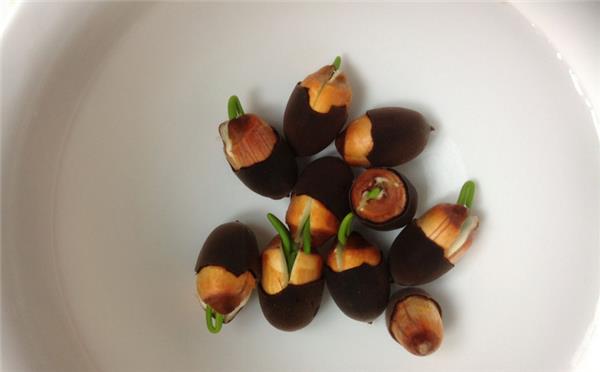
Preparation: bowl lotus seeds, a file, a container pot, sand. You can buy a little sand from an aquarium shop, sprinkle the sand in bit by bit, and spread it over the mud. Sprinkle the sand in several rounds. Sprinkle once, wait for the water to settle, then sprinkle again, until the whole vat is evenly covered. With the sand, the water clears quickly. Then change the water, and you can also keep a few small fish in it; the fish can eat insects in the water, their droppings can fertilize the flowers, and they are also ornamental, achieving several benefits at once. The seed coat of bowl lotus is very thick, so for smoother germination, simple treatment is needed. First distinguish the two ends of the bowl lotus seed: one end has a small protrusion, and the other has a small concave point. The end to treat is the one with the concave point. Rub off the seed coat on a concrete surface;
4. Lotus seeds
Before planting, lotus seeds need to be scarified first. The seed coat needs to be opened at the end with the concave "butt". You can rub the seed coat at the butt end on a concrete surface or use pliers to rub open the seed coat at the butt end. Be sure not to rub all the way through the seed coat; it is enough to see the dark brown embryo coat inside, and do not damage the embryo inside. After scarifying, soak the seeds in water, and they can be placed in the sun for full exposure, while paying attention to replenishing water; the water needs to be changed 2 times a day. At a temperature above 20°C, sprouts can appear in about 3 days. After sprouting, you can peel off another 1/3 of the seed coat to better absorb water. After roots emerge, move them to a container for planting.
5. Container
A suitable size is to ensure the container diameter is about 25-35cm. The depth should be about 20-25cm. Ensure soil about 15cm deep so the roots can grow fully.
6. Sunlight
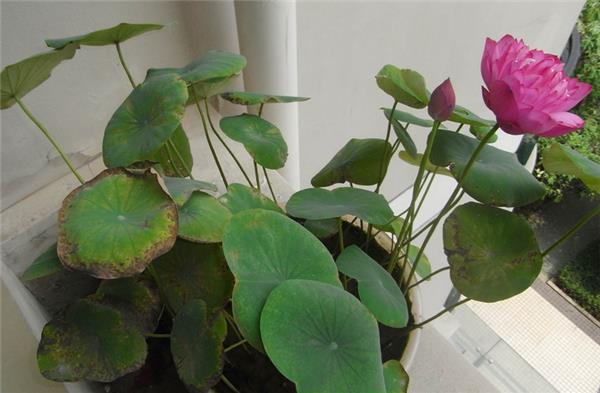
Be sure to give the lotus plenty of sunlight. Growers must not only place bowl lotus indoors to decorate the environment and admire it. Leaving it indoors for a long time prevents it from seeing sunlight, forgetting that it is a plant that loves ample sunlight. Only when the potting soil is warmed by the sun can it grow rapidly.
7. Water amount
The amount of water varies by stage. When bowl lotus is first planted, the water should not be too much; too much water lowers the temperature, is unfavorable for rooting and development of the young seedlings, and affects their respiration and aeration, and may even cause root rot. When the plant's leaves grow larger, clear water needs to be gradually added to the bowl to meet its need for leaves floating on the water surface to carry out photosynthesis. Otherwise, the leaf edges will become scorched, withered, and yellow.
8. Fertilizing
Bowl lotus likes fertilizer. If it lacks fertilizer, rooting and leaf growth will be slow and it will lack vitality. Therefore, before planting, a small amount of fermented cake fertilizer liquid or soybean meal or peanut meal should be mixed into the potting soil as base fertilizer. However, although bowl lotus is a fertilizer-loving plant, it must not be over-fertilized. Especially because bowl lotus has a small container and small plant, its fertilizer requirement is also small. If too much fertilizer is applied, it will produce only leaves and no flowers. More seriously, it can even cause the plant to die. If excessive fertilizing is found, change the water frequently to wash away part of the fertilizer liquid and dilute it.
The above is the knowledge about bowl lotus. I hope it can help you.
The water needs to be changed 2 times a day. At a temperature above 20°C, sprouts can appear in about 3 days. After sprouting, you can peel off another 1/3 of the seed coat to better absorb water. After roots emerge, move them to a container for planting.5. Container
A suitable size is to ensure the container diameter is about 25-35cm. The depth should be about 20-25cm. Ensure soil about 15cm deep so the roots can grow fully.
6. Sunlight
Be sure to give the lotus plenty of sunlight. Growers must not only place bowl lotus indoors to decorate the environment and admire it. Leaving it indoors for a long time prevents it from seeing sunlight, forgetting that it is a plant that loves ample sunlight. Only when the potting soil is warmed by the sun can it grow rapidly.
7. Water amount
The amount of water varies by stage. When bowl lotus is first planted, the water should not be too much; too much water lowers the temperature, is unfavorable for rooting and development of the young seedlings, and affects their respiration and aeration, and may even cause root rot. When the plant's leaves grow larger, clear water needs to be gradually added to the bowl to meet its need for leaves floating on the water surface to carry out photosynthesis. Otherwise, the leaf edges will become scorched, withered, and yellow.
8. Fertilizing
Bowl lotus likes fertilizer. If it lacks fertilizer, rooting and leaf growth will be slow and it will lack vitality. Therefore, before planting, a small amount of fermented cake fertilizer liquid or soybean meal or peanut meal should be mixed into the potting soil as base fertilizer. However, although bowl lotus is a fertilizer-loving plant, it must not be over-fertilized. Especially because bowl lotus has a small container and small plant, its fertilizer requirement is also small. If too much fertilizer is applied, it will produce only leaves and no flowers. More seriously, it can even cause the plant to die. If excessive fertilizing is found, change the water frequently to wash away part of the fertilizer liquid and dilute it.
The above is the knowledge about bowl lotus. I hope it can help you.