Is hyacinth poisonous? Is its fragrance also toxic?
Hyacinth comes in a variety of colors and is a top choice for potted plants that beautify the home, so will the fragrance of hyacinth harm the human body? Let's take a look together!
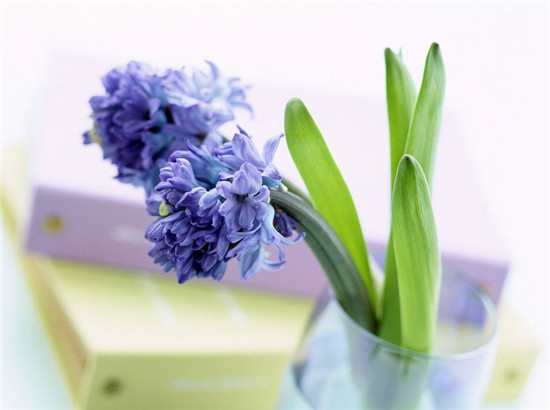
Hyacinth is a perennial herbaceous plant with a bulb in the genus Hyacinthus of the family Hyacinthaceae. It originally belonged to the Liliaceae family, but has now been elevated to the type genus of the new family Hyacinthaceae, and hyacinth has also been moved from the former order Liliales to the newly established order Asparagales. Hyacinth is native to the Mediterranean and South Africa, and its scientific name comes from Hyacinthus, the beautiful youth in Greek mythology who was favored by the sun god Apollo and accidentally killed by a discus thrown by him. The flowers of hyacinth are rich in color and captivating. Especially when Spring Festival arrives, red, blue, white, purple, yellow, and pink hyacinths release waves of fragrance, filling the air with a festive and joyful atmosphere.
Hyacinth likes sunlight and is cold-tolerant. It is suitable for growing in a cool and moist environment and in loose, fertile sandy soil, and it dislikes waterlogging. Normally it should be kept slightly moist, and excessive moisture or waterlogging should be avoided, so that by March of the following year it will generally bloom. The potting method is basically the same as planting in the ground: use loose soil, 1-4 bulbs per pot, apply sufficient base fertilizer, and place it outdoors in a sunny spot.
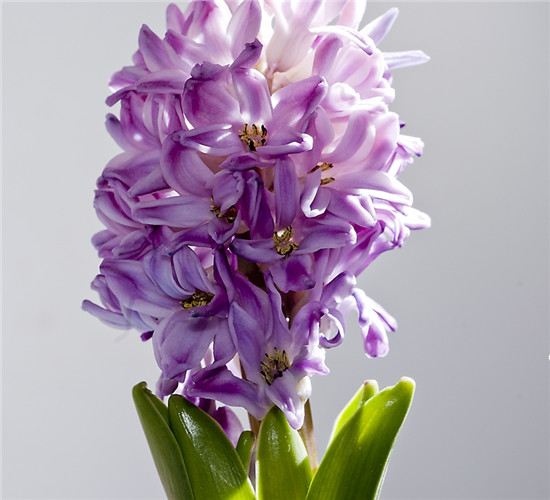
Many people like hyacinth not only because of its gorgeous appearance, but even more because of its enchanting fragrance. Hyacinth is native to the eastern Mediterranean coast of southern Europe and the area of the Anatolian Peninsula, and it is currently the most fragrant variety among all known flowering plants. The fragrance of hyacinth is fresh and elegant, not heavy or overpowering, and is very refreshing to the heart!
In Greek mythology, Hyacinthus, the beautiful youth who was favored by the sun god Apollo and accidentally killed by a discus thrown by him, was killed by a scheme of Zephyrus, the god of the west wind. From the pool of Hyacinthus's blood grew a beautiful flower, and Apollo named this flower after the youth - hyacinth. The origin of hyacinth is quite fantastical, isn't it? Because it is fantastical, it created the beauty of hyacinth!
Hyacinth bulbs are toxic. If swallowed by mistake, they can cause symptoms such as dizziness, stomach cramps, and diarrhea, so children and animals must be strictly prevented from eating them by mistake. In addition, it is recommended not to grow them in the bedroom, because the fragrance of hyacinth flowers may cause insomnia. However, as long as you pay a little attention in daily life, there is no danger, so there is no need to keep your distance from hyacinth.
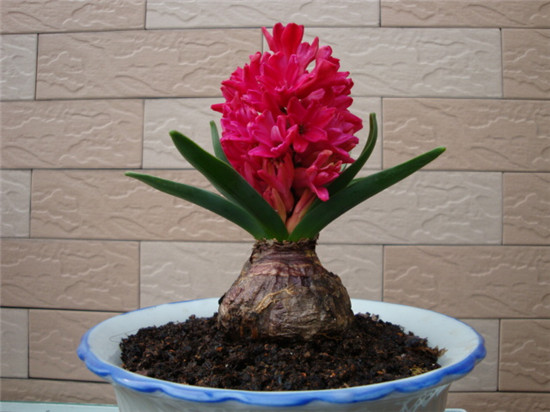
From the flower language of hyacinth, one can see people's affection for it. The flower language and symbolic meaning of hyacinth: as long as you light the fire of life, you can share a rich life together. These words precisely express the beauty and inner meaning of hyacinth. In the United Kingdom, blue hyacinth has always been an indispensable part of bridal bouquets or floral decorations at weddings, representing the purity of the newlyweds and the hope of bringing happiness.
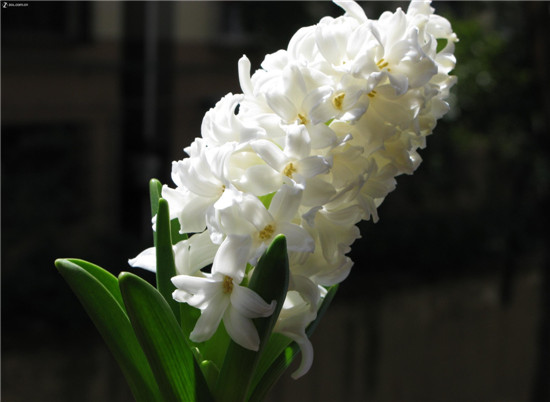
Is hyacinth poisonous? Now you know. Many flowers have the effect of purifying the air and promoting health, but if certain flowers are kept at home, they may instead become sources of disease, or "killers" that cause old illnesses to recur or worsen. Therefore, experts suggest that before keeping flowers, you must understand their nature, so that you do not end up with health problems as soon as you start growing them.
The above is all the content I have summarized for you on whether the fragrance of hyacinth is toxic. I hope this article can help everyone. Please also continue to follow us.