Which plant is most effective at protecting against computer radiation?
As life improves these days, high-tech products have gradually become our new work partners, so how can we protect ourselves from computer radiation? Come take a look with me.
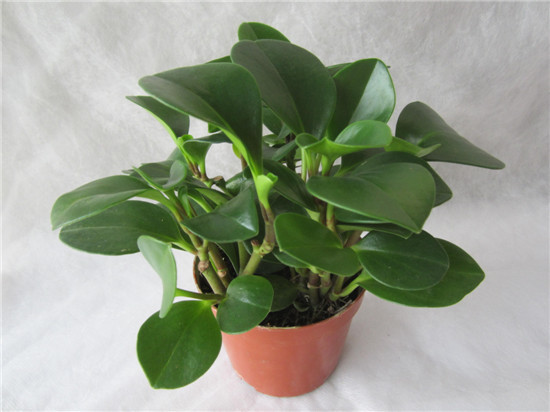
Are potted plants useful for protecting against computer radiation?
Besides being decorative, potted plants have many other uses. For example, among many potted plants, many have an air-purifying effect and can absorb harmful substances in the air such as nitrogen oxides and methane. But are potted plants useful for protecting against computer radiation?
Experts point out that using potted plants to protect against computer radiation is actually more gimmick than real effect. Plants such as cactus and aloe can indeed absorb ultraviolet rays from sunlight, but computer radiation works on a different principle from ultraviolet rays; it is an electromagnetic wave, and potted plants cannot absorb it.
However, potted plants do have a certain weakening effect on computer radiation, mainly because electromagnetic waves cannot pass through objects such as leaves and bulbs, so placing potted plants in front of a computer can block some computer radiation, but it does not absorb it. Computer radiation will actually harm these potted plants and, in serious cases, can cause the plants to die.
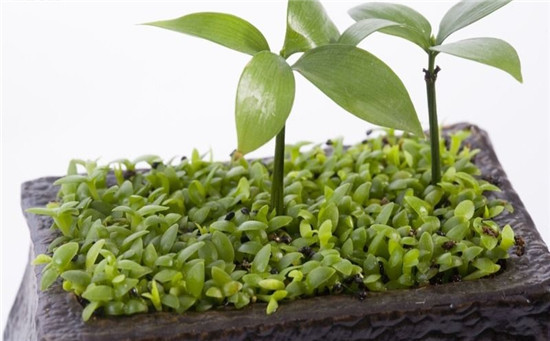
That said, growing some potted plants next to a computer can beautify our desktop, and when our eyes are tired, looking at those small potted plants can relieve our fatigue and make us feel happier.
As for what you can do to protect against radiation, I suggest you drink more green tea, which can increase your own resistance to radiation and help protect against it. However, at this stage there is no specific research showing how much harm computer radiation does to the body.
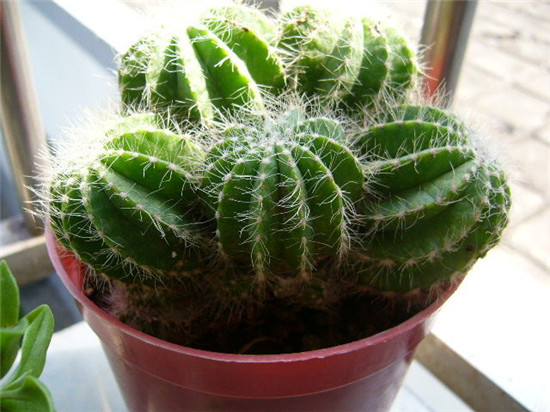
1. Cactus or ball cactus
Cactus or ball cactus are excellent flower varieties for courtyard greening and beautification. Although they are covered in spines, their appearance is quite beautiful, they can be processed for medicinal use and eaten, and they also have the "special ability" to absorb electromagnetic wave radiation and reduce the harm computers do to human health. Cacti have spines, thick flesh and a high water content, making them good at absorbing and breaking down the electromagnetic field radiation toxins in the surrounding environment, reducing indoor and outdoor pollution and benefiting human health.
Some gardening experts suggest that wherever there are sources of electromagnetic field radiation such as televisions, computers and microwave ovens, it is advisable to place a few pots of cactus as well. Many large computer placement sites abroad are filled with cacti of all sizes; this is an advanced scientific measure worth learning from.
2. Spider plant
Spider plant, radiation-protection plant, air-purifying plant, ornamental plant. Besides their greening and ornamental functions, many ornamental plants also have the healthy effect of absorbing toxic gases and purifying the air. Among them, the spider plant is an expert at purifying air and can absorb many harmful gases such as nitrogen oxides, methane, formaldehyde, benzene compounds, carbon monoxide, carbon dioxide, sulfur dioxide and chlorine peroxide. In addition, it can both purify the air and protect against radiation.
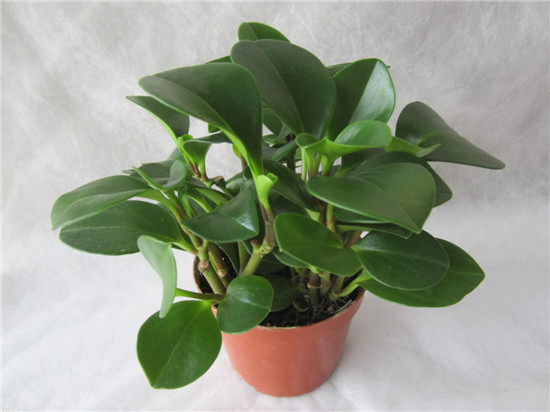
3. Aloe
Growing aloe indoors can purify the air. One pot of aloe is equal to nine air purifiers and can absorb harmful substances such as formaldehyde, carbon dioxide, carbon monoxide and sulfur dioxide, with a particularly strong ability to absorb formaldehyde. When the harmful air indoors is too high, spots will appear on the aloe leaves; this is a distress signal. As long as a few more pots of aloe are added indoors, the indoor air quality will return to normal.
4. Dragon tree
The dragon tree is loved by interior designers for its charming appearance and its ability to adapt to dim, dry office environments. With just a little care, it can grow for a long time and bring high-quality air. When it comes to suppressing harmful substances, other plants can hardly compare with the dragon tree. Its leaves and roots can absorb xylene, toluene, trichloroethylene, benzene and formaldehyde and break them down into non-toxic substances.
The above is the full content of my summary of which plant is best for protecting against computer radiation. I hope this article can help everyone. Please also keep following us.