Introduction to Ivy and How to Grow It: A Foreign Plant from Europe
Ivy refers to evergreen woody climbing plants; common ivy (Hedera helix) is native to Europe, Asia and North Africa. It is highly adaptable to its environment. It prefers a relatively cool climate, is fairly cold-hardy, and can be used as medicine. Let's take a look at what you need to know about ivy below.
I. Introduction to Ivy
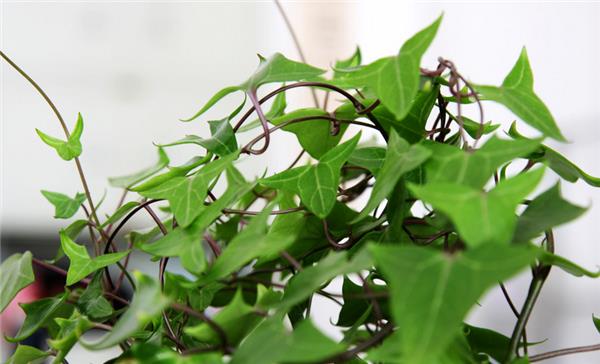
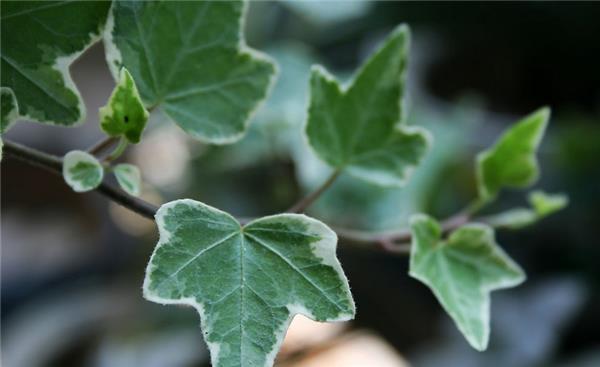
Ivy, also known as English ivy or evergreen ivy, is a perennial evergreen foliage climbing plant in the genus Hedera of the family Araliaceae. Ivy is a typical shade-loving climbing plant, with entirely woody stems that can reach 3-5 m long; it branches heavily, and the stems bear aerial roots. The tender young branches are covered with soft hairs and appear as rust-colored scales; the leaves are alternate, leathery, and glossy dark green. There is also the grape family's Boston ivy (Parthenocissus tricuspidata), which is also called "ivy," but these are two different plants.
II. Cultivation Techniques for Ivy
Ivy is not demanding about soil. Generally, fertile, loose soil is mostly used as the potting medium, such as equal parts garden soil and leaf mold mixed together; it can also be made from leaf mold, peat soil and fine sandy soil with a small amount of base fertilizer, or it can be grown in sphagnum moss alone. For pot cultivation, generally plant 3-5 plants per pot. Normally it should be placed in diffused light so that the leaf color becomes deep green and glossy; variegated varieties especially show even more beautiful leaf color in a shaded environment. In the intense heat of summer, it must be placed in a cool, ventilated spot. High ambient temperatures are unfavorable for the growth of ivy, so watering by misting the leaves should be used more often. If water is insufficient, the base of the plant easily drops its leaves; if watered too much, root rot easily occurs. During the seedling stage, water and fertilizer management should be strengthened to speed up growth. During the growing period, especially in spring and autumn, fertilizer should be applied appropriately, with liquid fertilizer applied 1-2 times per month; at the same time, note that the ratio of nitrogen, phosphorus and potassium in the fertilizer should be 1:1:1, and the proportion of nitrogen must not be too high, otherwise the variegated leaves will turn green. During the plant's growth process, pruning should be done to encourage more branching and make the plant shape full.
1. Soil
Common ivy is not demanding about soil, tolerates poor soil, and prefers moist, loose, fertile sandy soil; it dislikes saline-alkaline soil. Generally, fertile, loose soil is mostly used as the potting medium, such as equal parts garden soil and leaf mold mixed together; it can also be made from leaf mold, peat soil and fine sandy soil with a small amount of base fertilizer, or from garden soil mixed with about 1/4 plant ash and a small amount of base fertilizer. Plant ash can both keep the potting soil loose and airy and provide more potassium fertilizer to meet the growth needs of common ivy. It can also be grown in sphagnum moss alone.
2. Light
Common ivy is a typical shade-loving climbing flowering plant; it tolerates shade and moisture, and can also grow in a full-sun environment. It can be grown indoors in a bright room for a long time. In a dark room, as long as supplementary lighting is provided, it can also grow well. It grows well under warm, humid climate conditions and is not cold-tolerant. In spring, when branches and leaves sprout abundantly, whether variegated or plain green, they should be placed in sunlight to receive sufficient light; only then will the branches and leaves that grow out be lush and sturdy. Normally it should be placed in diffused light so that the leaf color becomes deep green and glossy; variegated varieties show even more beautiful leaf color in a shaded environment. In the intense heat of summer, it must be placed in a cool, ventilated spot.
3. Watering
The rainy season and high summer temperatures are when you need to be most careful. For common ivy placed outdoors during the rainy season, any standing water in the pot must be poured out promptly to avoid the roots being soaked for a long time and rotting. High ambient temperatures in summer are unfavorable for common ivy's growth; growth stops above 30°C, so watering by misting the leaves should be used more often. If water is insufficient, the base of the plant easily drops its leaves; if watered too much, root rot easily occurs. You can choose to water in the early morning or evening to avoid a large difference between soil temperature and water temperature, which causes the root system to suffer stress and injury and ultimately leads to the plant withering and dying. In winter, bring it into a greenhouse to overwinter; indoor air humidity should be maintained and it must not be too dry, but the potting soil should not be too wet.
4. Fertilizing
During the seedling stage, water and fertilizer management should be strengthened to speed up growth. During the growing period, especially in spring and autumn, liquid fertilizer can be applied once every 2 weeks, or granular fertilizer once a month; at the same time, note that the ratio of nitrogen, phosphorus and potassium in the fertilizer should be 1:1:1, and the proportion of nitrogen must not be too high, otherwise the variegated leaves will turn green. During the plant's growth process, pruning should be done to encourage more branching and make the plant shape full. For column-trained potted plants, prune and pinch back regularly.
III. Uses and Functions of Ivy
1. Application Value
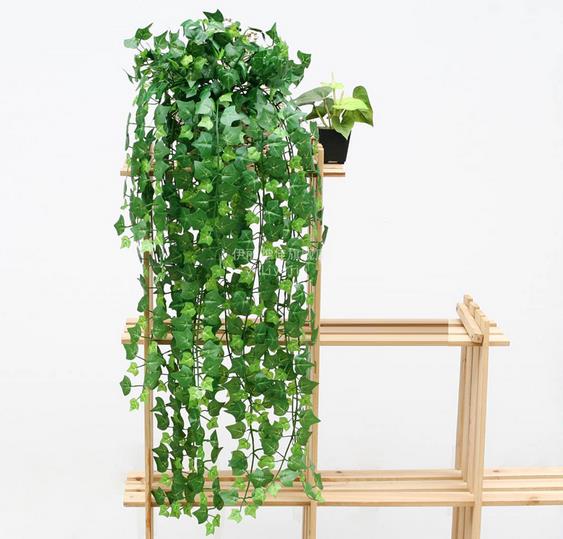
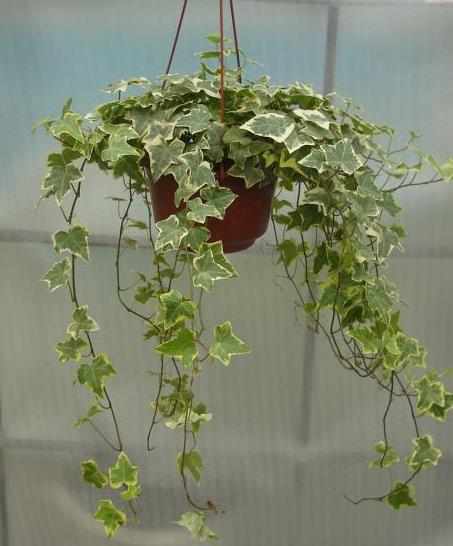
Ivy is mainly used for ornamental purposes. In the south it is often planted in the ground in front of buildings, as an excellent plant material for vertical greening, while in the north it is mostly potted. Because the leaf shape and leaf color vary greatly, it is often used as a trailing plant, hung on halls, corridors and trellises, and can also be set on a support to decorate the corners of living rooms and meeting rooms. Small plants can be used as table decorations. Different species and cultivars can also be used for special-themed exhibitions, creating a distinctive look. In addition, ivy is also often used indoors, especially as an indoor "negative ion" purifier after renovation; it is believed to have a clear effect on reducing the concentration of harmful substances such as formaldehyde and benzene.
2. Ornamental Value
Ivy has deep green leaves, and variegated varieties have many different markings or patches, with bright, clear colors; the stems bear many aerial roots, which easily attach to rocks, walls and tree trunks for growth, so it can be grown as a climber or hanging plant, and is an ideal material for indoor and outdoor vertical greening. As an indoor shade-loving foliage potted plant, it can be grown in a bright room for a long time. In a dark room, as long as supplementary lighting is provided, it can also grow well. When used for indoor greenery decoration, as a hanging decoration placed on a tall flower stand or on top of a bookcase, it gives a sense of natural, unrestrained beauty; it can also be planted in a small pot and placed on a coffee table or desk, appearing delicate and elegant; it can also be grown as a columnar climbing plant, full of a three-dimensional effect.
The above is what you need to know about ivy; I hope it can help you.