A Detailed Introduction to the Amaryllis and Its Cultivation Methods
The amaryllis is a beautiful flower. The amaryllis, also known as the amaryllis, originated in the region of Peru and Brazil. Because it has many different varieties, it is widely grown in pots and has very high ornamental value. Take a look below at some knowledge about the amaryllis.
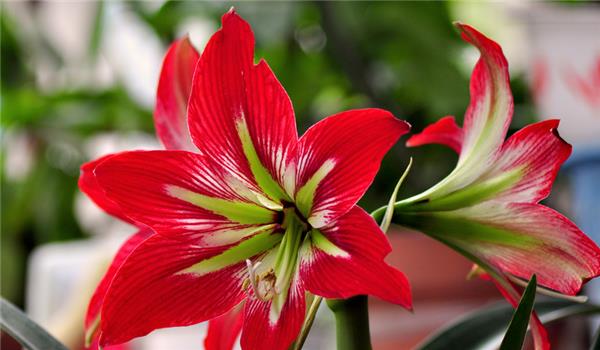
I. Introduction to the Amaryllis
The amaryllis is a perennial herbaceous plant with a plump bulb that is nearly spherical, 5-10 cm in diameter, and covered with a pale green or yellowish-brown outer skin. The amaryllis is a perennial herbaceous plant of the genus Hippeastrum in the Amaryllidaceae family, with a plump bulb that is nearly spherical, 5-10 cm in diameter, and covered with a pale green or yellowish-brown outer skin. The leaves grow opposite each other on both sides, are strap-shaped with acuminate tips, number 2-8, and mostly emerge after the flowers, reaching 15-60 cm in length.
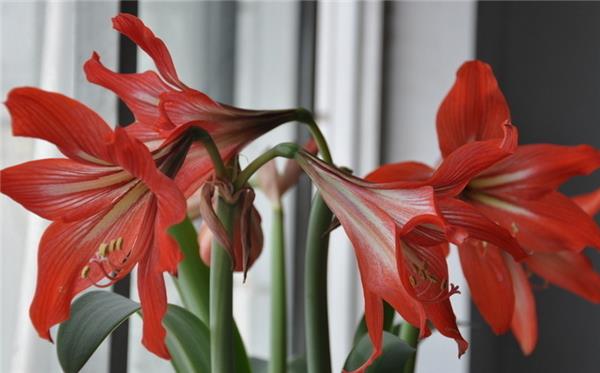
II. Cultivation Techniques for the Amaryllis
1. Cultivating the Amaryllis
For potted amaryllis, choose large, plump bulbs and plant them in flower pots with an 18-20 cm diameter. Those potted in April can bloom in June; those potted in September, placed in a warm room, can bloom in March or April of the following spring. A fertile loam soil containing humus mixed with fine sand is most suitable as potting soil, and the bottom of the pot should be covered with gravel to aid drainage. When planting the bulb, the top should be slightly exposed above the soil surface. Place the potted plant in a semi-shaded spot, avoiding direct sunlight. During the growth and flowering periods, apply fertilizer water 2-3 times. During the bulb's dormant period, reduce watering to just enough to keep the bulb from withering. If watered too much and the temperature is also high, the stems and leaves will grow excessively, hindering dormancy and affecting normal flowering. For planting amaryllis in a courtyard, choose a site with good drainage. For open-ground planting, plant the bulbs in spring from March to April; plant them shallowly, with the top of the bulb slightly exposed above the soil surface, and they will bloom from late May to early June. They go dormant in winter, and the above-ground leaves wither and die. Dig up the bulbs in early October, place them in a spot that does not freeze, and wait until the next year to plant them. During planting, if red disease spots appear on the stems, leaves and bulbs, soak them in warm water at 40°C-44°C for one hour during the bulb's dormant period as a preventive measure.
2. Potted Amaryllis
The amaryllis is also known as Baiqulian, Zhudinglan and so on, and is a perennial bulbous flower of the Amaryllidaceae family. It likes warmth and moisture and dislikes strong direct sunlight. It originated in tropical South America, but it does not like high temperatures and is not cold-tolerant; its suitable growing temperature is 18-23 degrees. It is suited to fertile, loose, well-drained sandy loam. The amaryllis is dormant in winter and requires dry conditions, with a temperature of 9-12 degrees, and the minimum must not fall below 5 degrees. In areas south of the Yangtze River basin, it can overwinter with just a little protection. For potted amaryllis, the flower pot should not be too large (generally use a pot with a 16-20 cm diameter first), to avoid the potting soil staying wet for too long and causing the bulb to rot. The potting soil should preferably be a mix of leaf mold and sandy soil. Before planting, apply some decomposed cake fertilizer or chicken or duck manure at the bottom of the pot as a base fertilizer. When planting, expose 1/4 to 1/3 of the bulb above the soil surface. After planting, press the potting soil firm, leave a 2-3 cm rim, and water thoroughly once; afterwards, do not water too much, keep the humidity relatively low, and avoid direct sunlight. Once the leaves have grown about 10 cm long, resume normal watering and begin applying fertilizer, and stop fertilizing once the flower buds form (but after flowering, an appropriate amount of fertilizer may be applied to promote a plump, well-filled bulb). After flowering, promptly cut off the faded flower stems to avoid draining nutrients from the bulb. After autumn, gradually reduce watering, and keep the potting soil slightly dry. In winter, move it indoors to overwinter; water only enough to keep the bulb from withering, and maintain a temperature not lower than 5 degrees, otherwise dormancy and next year's flowering will be affected.
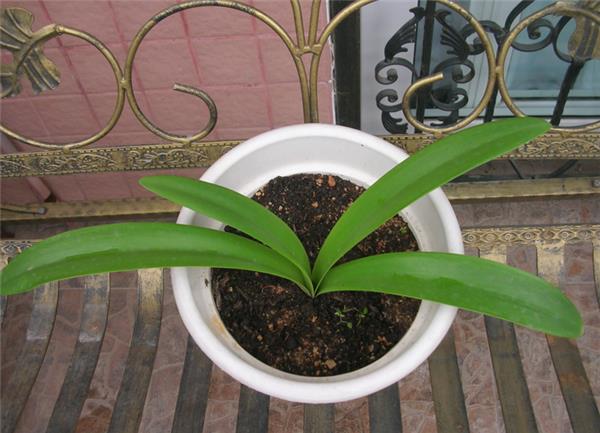
3. Key Cultivation Points
The amaryllis blooms in April in spring and blooms again in winter. To promote flowering, management should be strengthened early.
(1) Repotting
The amaryllis grows quickly, and after one year of growth it should be repotted into a suitably sized flower pot.
(2) Changing the Soil
After the amaryllis has been grown in its potting soil for one or two years, the soil's nutrients become depleted. To promote the next year's growth and flowering, fresh soil should be used.
(3) Division
The amaryllis grows quickly, and after one or two years of growth it produces many small bulbs around the top, so when repotting and changing the soil, divide the plants at the same time: plant the large ones together in one pot, the medium ones together in one pot, and the small ones together in one pot.
(4) Fertilizing
When repotting, changing the soil and planting the amaryllis, apply a base fertilizer at the same time. After potting, apply a phosphorus-potassium fertilizer once a month. The principle of fertilizing is to apply lightly and frequently, to promote flower bud differentiation and flowering.
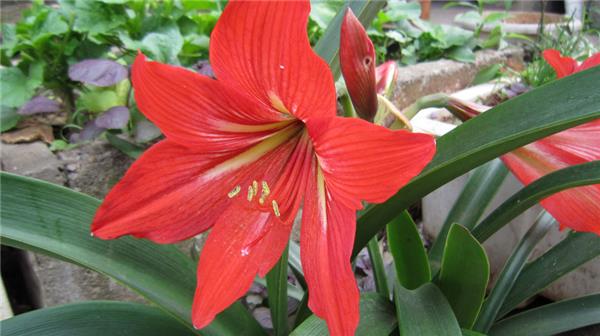
(5) Pruning
The amaryllis grows quickly, with long, dense leaves. When repotting and changing the soil, cut away withered leaves, dead roots, and roots and leaves affected by pests or disease, leaving the vigorous leaves.
(6) Pest and Disease Control
To keep the amaryllis growing vigorously and blooming early, pest and disease control should be carried out, spraying the flowers with a pesticide once a month. Spray the pesticide on clear days at around 9 a.m. and 4 p.m.; do not spray under the strong midday sun, to prevent chemical injury.
The above is some knowledge about the amaryllis; I hope it can help you.
The above is some knowledge about the amaryllis; I hope it can help you.