What plants protect against radiation? These are suitable for placing next to a computer
With the improvement of modern life, there are more and more smart home appliances. So how can we protect ourselves from computer radiation? Let's take a look together below!
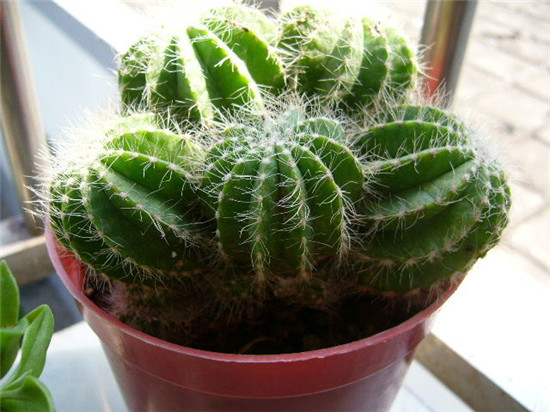
Cactus
Cacti grow in the tropics and have a strong ability to absorb intense light. Intense light includes what we call visible light and invisible light, and the electromagnetic radiation from computers and mobile phones is also invisible light. It is easily absorbed. In addition, its spines release negative ions, which neutralize the harmful effects of positive ions. In fact, the spines of a cactus placed near a computer monitor can only collect dust. However, it really does like this radiation, and it will grow very well near a radiation source, especially when there is sunlight shining on it. So a small potted cactus can also absorb it; it is just a matter of quantity, and you can place several pots.
Spider plant
Spider plant radiation-protection plant air-purifying ornamental plant. Besides their greening and ornamental functions, many ornamental plants also have the health benefit of absorbing toxic gases and purifying the air. Among them, the spider plant is an expert at purifying air and can absorb various harmful gases such as nitrogen oxides, methane, formaldehyde, benzenes, carbon monoxide, carbon dioxide, sulfur dioxide, and chlorine dioxide. In addition, it can both purify the air and protect against radiation.
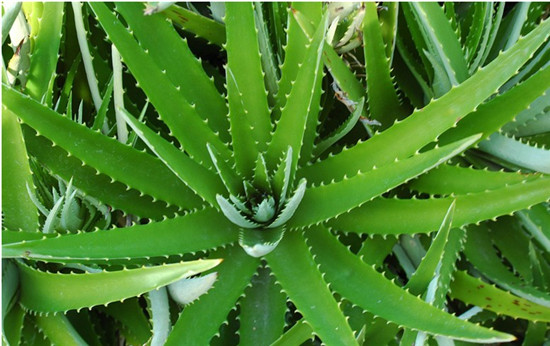
Aloe
Growing aloe indoors can purify the air. One pot of aloe is equal to nine air purifiers and can absorb harmful substances such as formaldehyde, carbon dioxide, carbon monoxide, and sulfur dioxide, with a particularly strong ability to absorb formaldehyde. When the harmful air indoors is too high, spots will appear on the aloe leaves. This is a distress signal. As long as you add a few more pots of aloe indoors, the indoor air quality will return to normal.
Dragon tree
The dragon tree is loved by interior designers for its charming appearance and its ability to adapt to the dim and dry environment of offices. As long as you give it a little care, it can grow for a long time and bring high-quality air. In suppressing harmful substances, it is hard for other plants to compare with the dragon tree. Its leaves and roots can absorb xylene, toluene, trichloroethylene, benzene, and formaldehyde and break them down into non-toxic substances.
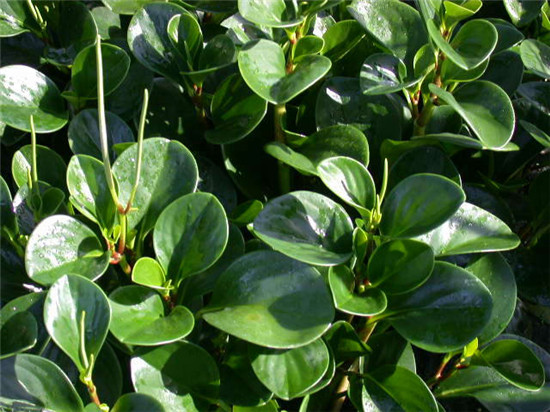
Peperomia
Peperomia is a small herbaceous plant. Its leaves are bright and glossy, and as small and delicate as beans, very cute, and deeply loved by people. It likes to grow in warm, semi-humid places and is suited to a temperature of around 25°C. It is not tolerant of high temperatures, so direct sunlight should be avoided. It not only protects against radiation, but also has a certain purifying effect on formaldehyde, xylene, secondhand smoke, and more.
Pennywort
The leaves of pennywort are round and shield-shaped like copper coins. It likes warm and humid places and does not like direct sunlight. The suitable temperature is 22 to 28°C. It is tolerant of shade, moisture, and drought, and has strong adaptability. It is also known as mushroom grass.
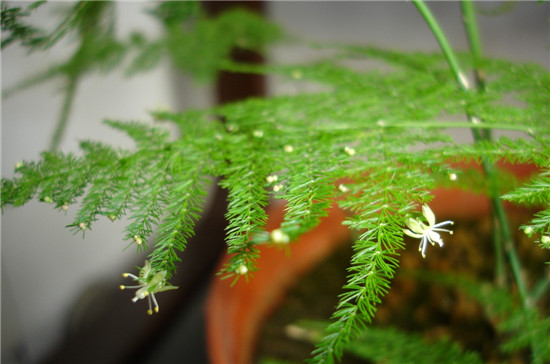
Asparagus fern
Asparagus fern, just like its name, is elegant and refined. Although it is called asparagus fern, it is not bamboo. It stays green all year round, its stems resemble bamboo, its posture is free and elegant, and its leaves are beautiful and slender, with a unique charm, and it is deeply loved by people. It symbolizes eternity and the unchanging pure heart of friends. Asparagus fern suits people of elegant temperament.
Hyacinth
Hyacinth is a herbaceous plant, and some say it belongs to the lily family. Its flower colors are rich and varied, including red, white, blue, and more. It originated in the Netherlands, and its flower language is sorrowful love and eternal remembrance. Besides its beautiful appearance, its function is radiation protection. If you love beauty, you can choose hyacinth to share the radiation for you and accompany you at work.
Weeping fig
This type of plant shows many excellent characteristics. It can increase the humidity of a room, which benefits our skin and breathing. At the same time, it can also absorb formaldehyde, xylene, and ammonia and purify murky air. In addition, the small leaves of the weeping fig make them a beautiful decoration in a room, and they are often used by interior designers to create a cheerful atmosphere.
Golden pothos
It can "work" in environments where other indoor plants cannot adapt. Through a process similar to photosynthesis, it can break down toxic substances released from fabrics, walls, and smoke into substances of its own. The beautiful heart-shaped leaves of golden pothos have a unique decorative quality, especially when it hangs outside a hanging pot. This type of plant is easy to care for and can grow well even in a dark environment, making it the best choice for beginners.
The above is all the content I have summarized for you about which radiation-protection plants are suitable for placing next to a computer. I hope this article can help everyone. Please also continue to follow us.
especially when it hangs outside a hanging pot. This type of plant is easy to care for and can grow well even in a dark environment, making it the best choice for beginners.The above is all the content I have summarized for you about which radiation-protection plants are suitable for placing next to a computer. I hope this article can help everyone. Please also continue to follow us.