Tips for Pairing Indoor Foliage Plants with Room Design
In addition to their ornamental function of beautifying the home, indoor foliage plants can also absorb harmful gases such as sulfur dioxide, purify indoor air, and help create a pleasant living environment. Next, let us take a look at indoor foliage plants and room design.
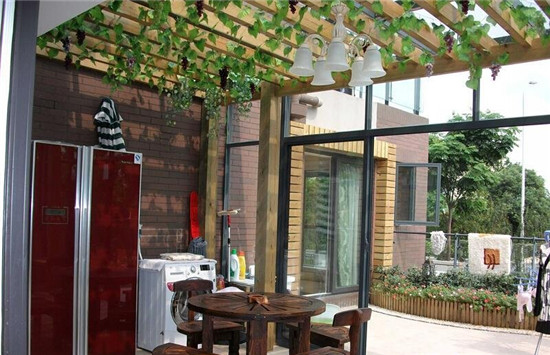
When choosing indoor plants, we should select indoor foliage plants according to the indoor light, and it is best to choose some plants with a strong ability to purify indoor air. The most common indoor foliage plants include spider plant, money tree, Buddhist pine, and so on. Different plants have different growth habits and carry different meanings when placed in the home.
Spider plant is a herbaceous plant that likes to grow in a warm, humid, and semi-shady environment, and it has strong drought tolerance. Not only that, it also ranks first in air purification strength. If you grow one spider plant in a room of 8 to 10 sq m, it is equivalent to buying an air purifier. It can kill 80% of the harmful substances in the room within 24 hours.
Dwarf umbrella tree generally grows in tropical and subtropical regions. In medicine, its leaves and root bark have the effect of treating influenza and bruises. It generally grows in a warm, humid, and semi-shady environment. Dwarf umbrella tree likes humidity and fears dryness. If the humidity is high and the soil moisture is sufficient, the stems and leaves will grow very luxuriantly. Water should not be too much, as it will cause waterlogging and lead to root rot.
Money tree is a plant very suitable for growing indoors, because it is green all year round and will not change with the shift of seasons. It likes to grow in fertile, loose, breathable, and water-retentive sandy loam. It grows quickly and has a well-developed root system. Placing a money tree in different places carries different meanings.
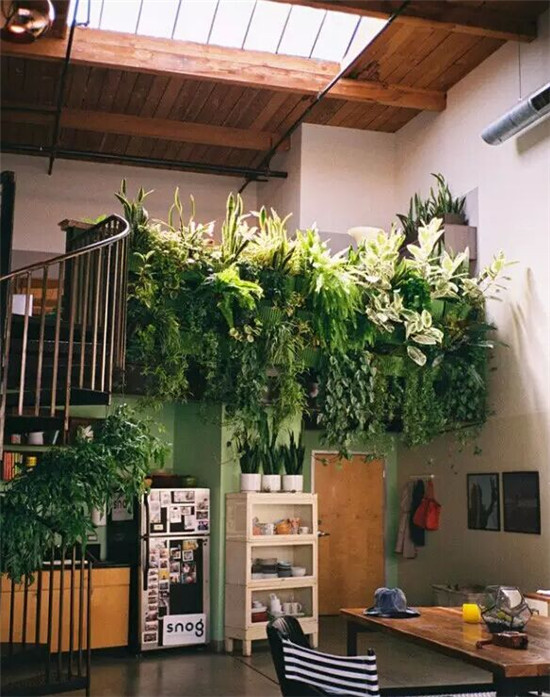
The main forms of indoor greenery decoration
1. Display-style greenery decoration
Display style is the most commonly used and most ordinary method of indoor greenery decoration, including three types: point style, line style, and sheet style. Among them, point style is the most common, that is, placing potted plants on tabletops, coffee tables, cabinet corners, windowsills, and wall corners, or hanging them high indoors to create green focal points. Line style and sheet style are arranging a group of potted plants in a line or organizing them into free-form or regular sheet-like patterns, which serve to organize indoor space, distinguish places for different uses indoors, or combine with furniture to divide areas. A sheet-like arrangement composed of several pots or dozens of pots can form a flower bed, produce a group effect, and at the same time highlight the theme of the central plant.
When using display-style greenery decoration, the main consideration should be whether the display method, approach, and utensils used meet the decorative requirements. Traditional unglazed fired pots and glazed ceramic pots are still the main planting utensils at present. As for the metal containers with imitation gold or imitation copper plating and glass sleeve pots in various colors that have appeared in recent years, they can coordinate with luxurious Western-style decoration. In short, the surface decoration of the utensils should be determined by the color, texture, and decorative mood of the indoor environment.
2. Climbing-style greenery decoration
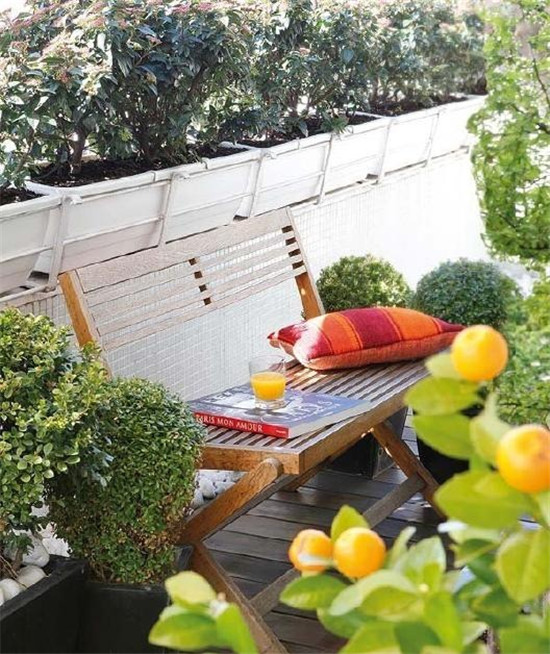
When certain indoor areas such as halls and dining rooms need to be divided, use climbing plants as partitions, or use fences with a certain strip or pattern design supplemented with climbing plants. The climbing plants and climbing materials should be coordinated in shape, color, and other aspects, so as to make the indoor space division reasonable, coordinated, and practical.
3. Hanging and suspended greenery decoration
In a relatively large indoor space, combine with the ceiling and light fixtures. Hang shade-loving trailing plants of a certain volume in front of windows, in wall corners, and beside furniture. This can improve the dry and monotonous feeling caused by the rigid lines of indoor artificial buildings, create a vivid and lively three-dimensional beauty of space, and "occupy the sky without occupying the floor," making full use of space. This kind of decoration should use a metal hanging frame or plastic hanging pot, and organically combine it with the matching materials to achieve an unexpected decorative effect.
Evaluation of organic plant-style home decor
Hard-textured coffee tables paired with organic plant forms make these side tables in the living room look like stylized lily islands. Combining them together makes the room's modern feel more vivid. For centuries, apothecaries stored precious plant essences in multi-drawer cabinets. Today, this modern version of the multi-drawer cabinet is very suitable for the entryway: pocket books, keys, letters, and even shoes can all have their proper places. Drawing on laboratory apparatus used for studying botany in the classical era, such a table lamp exudes a spirit of exploration all over. Against the backdrop of botanical-pattern background art, it has an even more natural texture.
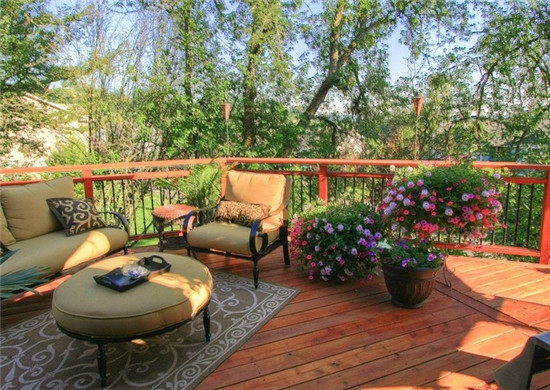
Green plants have advantages such as relieving visual fatigue and calming emotions. In the spaces where we usually live and work, whether it is filling a balcony with flowers and plants, or just placing an easy-care green potted plant in a corner of the desk, they can add greenery and fresh air to life, allowing people to calmly enjoy the fresh green coolness brought by the breeze.
If you want to achieve a cooling effect through green decor, in addition to choosing greens of various levels to create a supernatural sense of shade for the environment, it is even more recommended to choose flower vessels in fresher color schemes such as white, beige, and light yellow, which can highlight the natural freshness of the plants and make the whole atmosphere much more relaxed.
If you know you are very forgetful and will often forget to water and fertilize the plants, then choose the plants that need the least care! Foliage plants that do well in both water and soil, such as golden pothos and English ivy, or succulents that do not need frequent watering, such as cacti, are all very good choices.
The above is all the content I have summarized for you on indoor foliage plants and room design. I hope this article can help everyone. Please also continue to follow us.