How to Grow a Cactus? Introduction to the Best Low-Maintenance Flower Care Methods
The cactus has low requirements for its growing environment and, ecologically, is heat-tolerant and drought-tolerant, making it the top choice for a household flower. It is not only attractive and clean, but also does not require spending too much time on care, pest removal, or sweeping up fallen leaves. As long as it is cared for properly, it not only grows quickly but also has a bright, glossy body and abundant blooms. Let's take a look below at how to grow a cactus; I hope it can be helpful to fellow flower lovers!
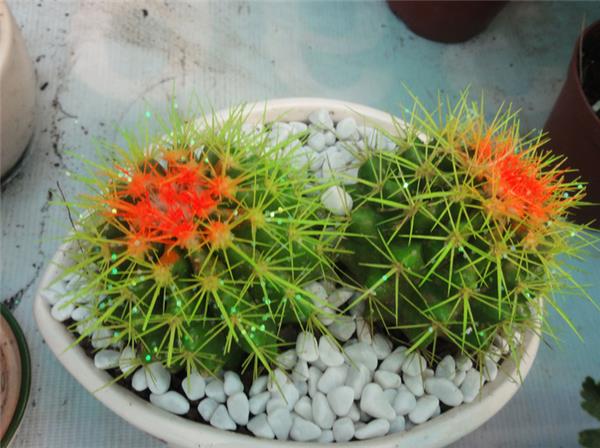
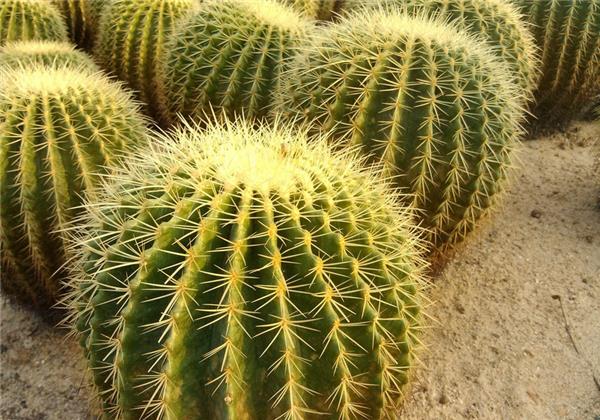
The cactus, commonly known as the grass ball and also called the changsheng ball, is a perennial succulent herbaceous plant of the Cactaceae family. Its stem is spherical or oval and green, and the flowers grow among the clusters of spines along the vertical ribs. Cactus flowers generally bloom in the early morning or evening and last from a few hours to one day. The cactus is a plant whose stem, leaves, and flowers all have high ornamental value, and it is an artistic treasure among hydroponic flowers. The cactus also has the effect of absorbing electromagnetic radiation, is a natural air freshener, and also has the effect of adsorbing dust and purifying the air.
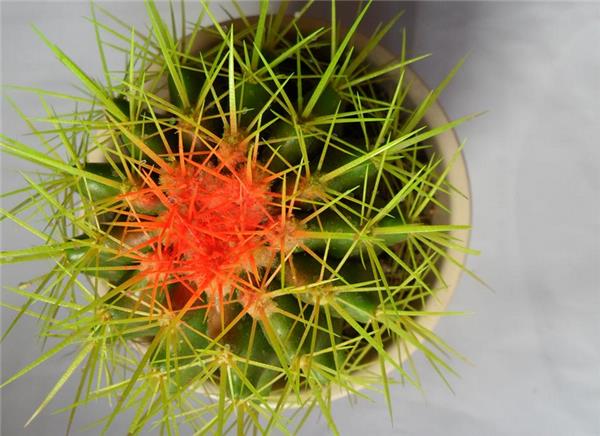
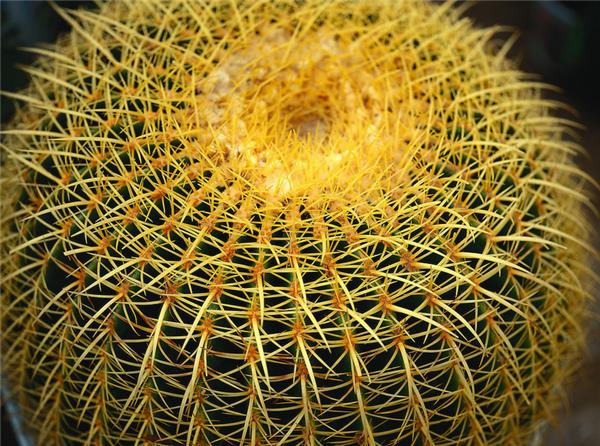
The ball body often produces many small offsets from its sides, with a graceful and elegant form. In terms of appearance, cacti can be divided into woolly types, tubercled types, treasure types, hairy column types, strongly spined types, sea urchin types, crown-flowering types, and so on. The spines and hairs of the cactus also differ in being long, short, sparse, or dense; the hair colors include red, yellow, golden yellow, and so on. Because of its peculiar shape, delicate flower colors, and ease of cultivation, the cactus is loved by people.
1. Temperature: The cactus likes high temperatures and a dry environment. In winter, the room temperature should be kept above 20°C during the day and not lower than 10°C at night. If the temperature is too low, it easily causes root rot.
2. Light: The cactus requires ample sunlight, but in summer it must not be exposed to strong direct sun and needs appropriate shading. For indoor cultivation, lighting can be used to help it grow robustly.
3. Potting soil: The soil used for potted cacti must be sandy soil (or sandy loam) that drains well, is airy, and contains lime. It can be mixed from 2 parts loam and 2 parts leaf mold, 3 parts coarse sand, plus 1 part limestone gravel or old lime wall debris discarded when old buildings are demolished. It can also be mixed from 2 parts loam and 2 parts coarse sand, with 1 part each of broken brick, leaf mold, and old lime wall debris. When planting, a small amount of broken brick and tile pieces should be placed at the bottom of the pot to ensure smooth drainage.
4. Planting: Planting and potting are best done in early spring. The flowerpot should not be too large; it is best if it can hold the ball body with a little gap. If the flowerpot is too large, the water cannot be absorbed after thorough watering, the air in the pot does not circulate, and the root system is prone to rot. A few taproot types and plants such as the peyote and the giant elephant cactus require deeper cylindrical pots. For types with shallower root systems, such as the silver-haired ball and the offspring ball, shallower ordinary flowerpots can be used.
6. Watering: The best time to water in summer is early morning; in winter it should be done in the morning of a clear day; in spring and autumn, either morning or evening is fine. Under normal circumstances, do not pour water from the top, otherwise after a long time the ball body will develop ugly spots. Under normal circumstances, watering must be thorough. For this reason, the soil must be loosened frequently so that the potting soil can evenly absorb enough water. Summer is the growing season for cacti; the temperature is high and the water demand is large. It must be watered fully, and this should be done in the early morning or evening when the temperature is low. At noon, when it is hot, watering can easily cause sunburn on the ball body. During the hot, rainy plum season, watering should also be appropriately controlled. For cacti with a sunken top, be careful not to let water get into the depression, to avoid causing rot, and even more care should be taken when watering in the evening. During winter dormancy, watering should be controlled so that the potting soil is kept from becoming excessively dry; the lower the temperature, the more the potting soil should be kept dry. Adult large balls are more drought-tolerant than small seedlings. Winter watering should be done in the morning on clear days. As the temperature rises, the plant will gradually come out of dormancy, and only then can the frequency and amount of watering be gradually increased.
7. Fertilizing: Potted cacti can also be appropriately fertilized during the growing season, especially those grafted onto triangular stems, for which fertilizing should be taken even more seriously. The fertilizer can be fully decomposed, thin liquid fertilizer, applied once every 10-15 days. After autumn begins, pay attention to controlling fertilizer and water; generally applying once a month is enough, and stop fertilizing in early October. If the fertilizer is not controlled and the cactus is allowed to continue growing, the tender ball body is susceptible to frost damage during overwintering. When fertilizing, be careful not to get it on the ball body; if any gets on it, spray and wash it off with water immediately. Base fertilizer should be appropriately mixed into the growing soil before potting or repotting, such as fully decomposed oil cake meal, bone meal, chicken and pigeon manure, etc., and left to sit for a period so that the fertilizer and soil fully blend. Topdressing should be based on the plant's growth; during the vigorous growth periods in spring and autumn, apply fully decomposed feather, hoof, and horn or oil cake fertilizer water once every two weeks. Note that the root osmotic pressure of cactus plants is very low, so the fertilizer water must be diluted and weak; strongly concentrated fertilizer and raw fertilizer must be avoided. It can also be applied alternately with a mixed solution of 0.1% urea and 0.2% monopotassium phosphate, with the amount of fertilizer water applied just enough to cover the surface of the potting soil. For home cultivation, if the potting soil has a high organic matter content, chemical fertilizer alone can be applied to keep the environment clean. Fertilizer is prohibited during high-temperature heatwaves and low-temperature dormancy.
During the vigorous growth periods in spring and autumn, apply fully decomposed feather, hoof, and horn or oil cake fertilizer water once every two weeks. Note that the root osmotic pressure of cactus plants is very low, so the fertilizer water must be diluted and weak; strongly concentrated fertilizer and raw fertilizer must be avoided. It can also be applied alternately with a mixed solution of 0.1% urea and 0.2% monopotassium phosphate, with the amount of fertilizer water applied just enough to cover the surface of the potting soil. For home cultivation, if the potting soil has a high organic matter content, chemical fertilizer alone can be applied to keep the environment clean. Fertilizer is prohibited during high-temperature heatwaves and low-temperature dormancy.