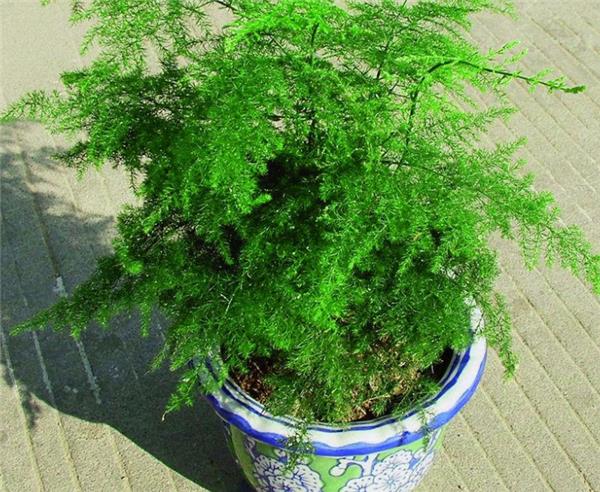
A Flower Full of Artistic Flair: A Brief Introduction to the Cultivation Methods of Asparagus Fern
What are the cultivation methods for asparagus fern (Asparagus setaceus)? This is a question many flower lovers care about. Asparagus fern symbolizes eternity and a friend's pure heart that never changes. Its stems are jointed like bamboo, and its posture is elegant and unrestrained. Its leaf-like branches are slender and beautiful, densely growing like feathers, with layer upon layer of emerald clouds. Its requirements for the growing environment are not high. How should such a beautiful asparagus fern be cultivated? Let's take a look below at what cultivation methods exist for asparagus fern.
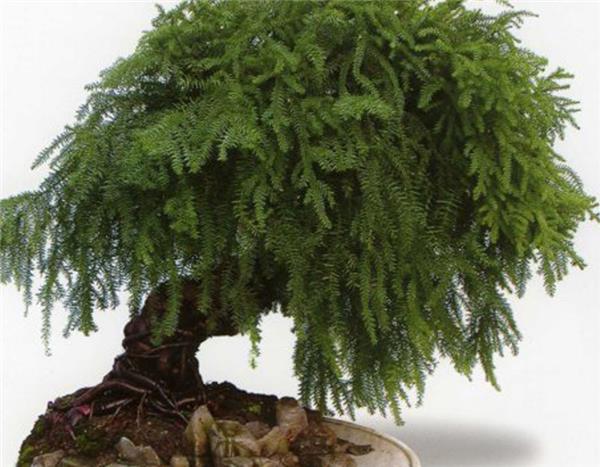
Asparagus fern, also known as cloud-pine, spiny asparagus, and cloud bamboo, is a perennial evergreen climbing foliage plant and a famous ornamental plant. It is Asparagus setaceus of the genus Asparagus in the family Liliaceae, mainly grown in pots for its foliage, and is also an important cut-foliage material.
Its energy is incredible: it can both treat illness and absorb harmful substances. Asparagus fern, also known as cloud-pine, spiny asparagus, and cloud bamboo, is a perennial evergreen climbing foliage plant and a famous ornamental plant. It is Asparagus setaceus of the genus Asparagus in the family Liliaceae, with its roots used as medicine, having the effect of treating acute bronchitis and relieving cough, and possessing a lung-moistening function. It is mainly grown in pots for its foliage, and is also an important cut-foliage material. Asparagus fern can not only improve cultural refinement, but also has a certain regulating effect on those with liver disease, mental depression, and low mood. At night, besides absorbing harmful gases such as sulfur dioxide, nitrogen dioxide, and chlorine, asparagus fern can also secrete gases that kill bacteria, reducing the occurrence of infectious diseases such as colds, typhoid, and laryngitis, which is greatly beneficial to human health.
Its form is graceful, with a charm unmatched by other plants. Its stems are jointed like bamboo, and its posture is elegant and unrestrained, hence the name asparagus fern. Its leaf-like branches are slender and beautiful, densely growing like feathers, with layer upon layer of emerald clouds, an elegant plant shape, and a unique charm, deeply loved by people, and it is a famous indoor foliage flower. The best ornamental age for asparagus fern is the 1st to 3rd year, during which the plant has lush branches and leaves and a perfect posture. But even a small plant that has only grown for a few months, with its several branches and leaves growing in a staggered arrangement, can form a very ideal composition, and its form is also very beautiful.
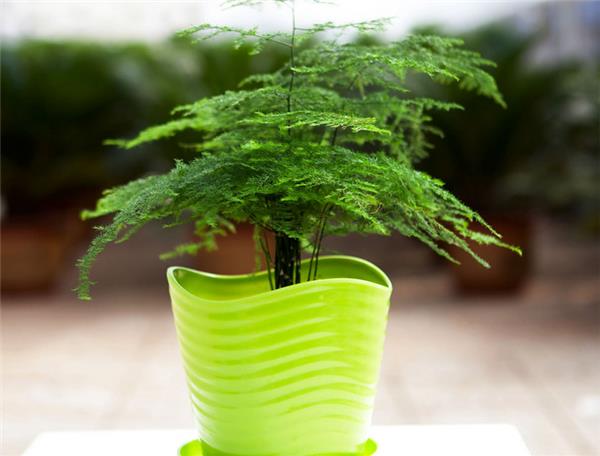
1. Potting soil: For the potting soil used to cultivate asparagus fern, fertile sandy loam is suitable, requiring warmth and moisture, rich in decayed branches, and good drainage. Generally, a ratio of 4 parts garden soil, 2 parts leaf mold, 2 parts compost soil, and 1 part sand can be used, and regular soil replacement and fertilizing must be done. If over-fertilization causes "root burn", the pot needs to be turned over to remove the fertilizer, and the soil ball rinsed with clean water, then replaced with new soil for cultivation.
2. Watering: Watering is the key point in cultivating asparagus fern. Too much watering and overly wet potting soil easily cause root rot, while too little watering leads to withered, scorched, and yellowing leaf tips. Therefore, in the watering process, it should be determined according to the weather, growth condition, and the dryness or wetness of the potting soil, so as not to water when not dry, and to water thoroughly when watering. In hot and dry weather, the leaves can be sprayed with water to increase humidity and lower temperature, while in winter, watering should be reduced.
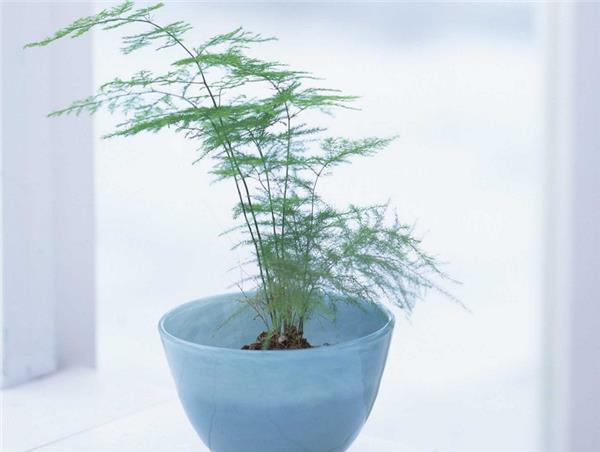
4. Light: Asparagus fern cultivation must not be exposed to the blazing sun. In hot seasons, it should be placed in a cool and ventilated place. At the same time, during its flowering period, asparagus fern is afraid of both wind and rain, so attention should be paid to good ventilation, and in good weather it can be appropriately placed outdoors to receive sunlight. In winter, the temperature for potted asparagus fern should be kept above 5°C to avoid frost damage.
5. Placement: Asparagus fern is mostly used for indoor desk display. Because asparagus fern is very afraid of smoke and dust, and if it encounters toxic gases, its branches and leaves easily turn yellow, it should be placed in a clean, tidy, and well-ventilated environment.