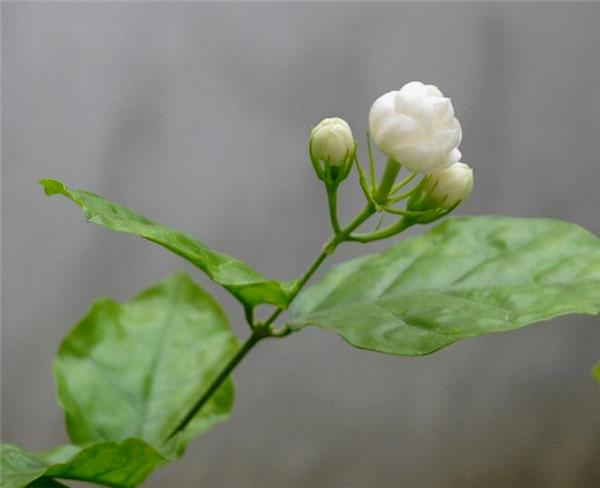
How to grow jasmine? A detailed guide to jasmine cultivation methods
"What a beautiful jasmine flower" accompanied us as we grew up, and now jasmine accompanies our families as we mature. Jasmine is a flower loved by many flower enthusiasts, and its fresh, elegant character is its hallmark. So what are the methods for growing jasmine? Let's take a look together at what jasmine cultivation methods there are.
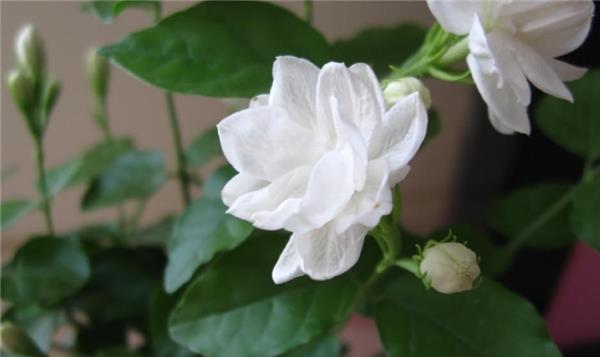
Jasmine likes a warm, humid environment with plenty of sunlight, and grows best in a well-ventilated, semi-shaded spot. The most suitable soil is slightly acidic sandy soil containing plenty of humus. Most varieties are sensitive to cold and drought, and cannot tolerate frost, waterlogging or alkaline soil. When the winter temperature drops below 3°C, the branches and leaves are prone to cold damage, and if it lasts a long time, the plant will die.
Jasmine loves fertilizer very much. With proper care, a potted jasmine can bloom three times a year. If fertilizer is insufficient and nutrients are inadequate, it will bloom once and then stop blooming. If jasmine is managed well, it can bloom continuously from the end of May to early November; the key is pruning, sunlight, and control of fertilizer and water.
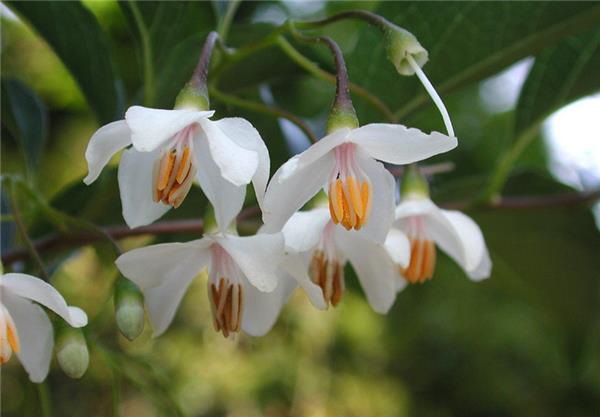
1. Environment and light: Jasmine likes hot, humid, ventilated conditions and needs ample light. Jasmine is sensitive to cold; in the south, potted jasmine can be grown outdoors through the winter, while in the north, keep it warm in autumn and winter, move it indoors and place it facing south. With strong light, the branches and trunks are sturdy, the leaves are deep green, and there are many fragrant flowers; with insufficient sunlight, the nodes are sparse, the flowers are few, and they are not fragrant.
2. Water: Jasmine is not drought-tolerant, but it also dislikes waterlogging. In rainy seasons, promptly pour out any standing water in the pot, otherwise the leaves easily turn yellow. On hot sunny summer days, water twice a day, once in the morning and once in the evening. If the leaves are found curling and drooping, spray water on the leaves to promote growth.
3. Soil: For growing jasmine, fertile sandy and semi-sandy soil is best. Planting in slightly acidic soil with a pH of 6 to 6.5 gives dense roots and vigorous growth. If the soil is heavy clay, lacks organic matter, has low fertility and poor aeration, then the roots will be few, the plant will be short, the stems and leaves will be thin, and the flowers will be few and small.
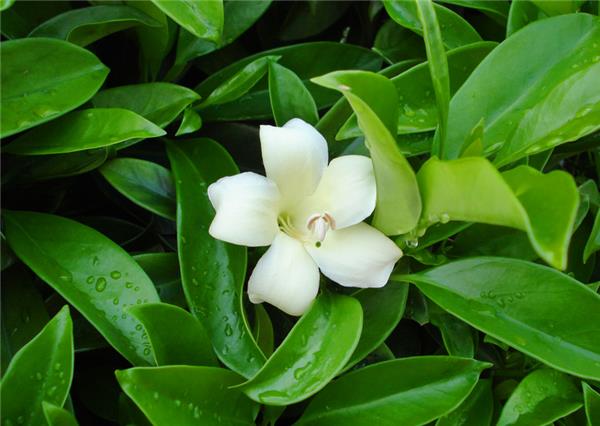
5. Pruning: Jasmine grows very fast in summer, so prune it in time. For potted jasmine, keep 10 cm to 15 cm of the base when pruning to encourage many thick new shoots. If the new shoots grow very vigorously, pinch them when they reach 10 cm to encourage secondary shoots, which will result in more flowers and a compact plant shape. After the flowers fade, promptly cut off the flowering branches to reduce nutrient consumption, and this also encourages new shoots, making the branches dense, the buds numerous and the flowering abundant.
6. Pest and disease control: Jasmine is often harmed by snout moth larvae, scale insects and red spider mites, most seriously from July to September, and they often bore into and eat the flower buds. You can spray with universal powder or fenvalerate diluted 200 times with water, once every half month. Spray even if no pests or diseases have occurred, so as to prevent them in advance. The best times to spray are 9 a.m. and 4 p.m. on sunny days; do not spray under the strong midday sun to prevent pesticide damage.