How to grow wintersweet bonsai? The drought-proof wintersweet growing method
Wintersweet (Chimonanthus praecox) generally blooms during the cold winter months, that is, from December to March of the following year. Its flowers are mainly red, yellow and white, with a rich, solid-seeming fragrance. Wintersweet bonsai is usually grown both outdoors and indoors, thanks to the plant's tenacious survival ability. Below we look at how to grow wintersweet bonsai.
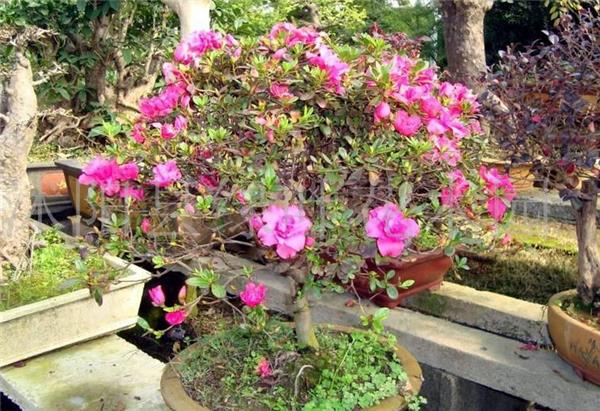
Wintersweet planting method
1. Pruning: Find the right time to prune, cutting away withered and yellow branches, overly dense branches, crossing branches, and diseased or pest-infested branches. Only by pruning at the right time and removing unnecessary branches can you encourage new growth.
2. Fertilizing: Generally, fertilize in spring and after the autumn cool sets in during the dog days of summer. Pay attention to the dosage when fertilizing, otherwise it is easy to burn the roots. Good fertilizing helps the flower buds grow fuller, so that wintersweet fertilized this way produces larger, more numerous and more fragrant flowers.
3. Watering: The soil should be kept on the dry side, but water more in hot seasons to maintain normal growth and allow the flower buds to develop properly. During the flowering period, especially, be sure to water in moderation; too much water easily causes buds and flowers to drop.
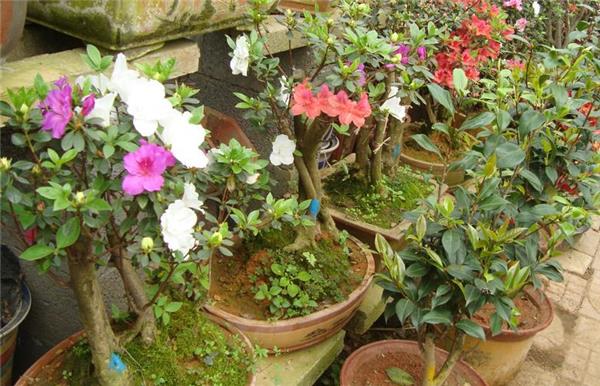
How to grow wintersweet bonsai
How to grow wintersweet bonsai - water and fertilizer management
There is a saying about wintersweet: "a wintersweet won't die of drought," which fully shows that wintersweet has very strong drought tolerance, so wintersweet bonsai is not sensitive to water needs. Generally, in spring and autumn, do not water as long as the potting soil is not dry; in summer, water once in the morning and once in the evening. During the wintersweet flowering period, do not water too much or too often, otherwise the wintersweet will drop its flowers.
Wintersweet likes fertilizer, but it should not be too concentrated. Fertilizing is generally done once a month with liquid fertilizer from April to November; in late June, one extra fertilizing can be added to prepare nutrients for flower bud differentiation.
How to grow wintersweet bonsai - shaping and pruning
To ensure good ornamental value in a wintersweet bonsai, the branches need to be pruned. The pruning method for wintersweet bonsai depends on the tree shape decided in advance. Taking the pruning method for a tree-form shape as an example, in the wintersweet seedling stage select one thick, strong branch and train it as the trunk; after the trunk grows to the desired height, pinch it (pinching, that is, topping, is the work of treating the reserved trunk branch, basic branch or side branch) to form the crown.
How to grow wintersweet bonsai - pest and disease management
Wintersweet has relatively few pests and diseases. If they occur, you can use the wintersweet's dormant period to cut off the pest-infested branches and burn them.
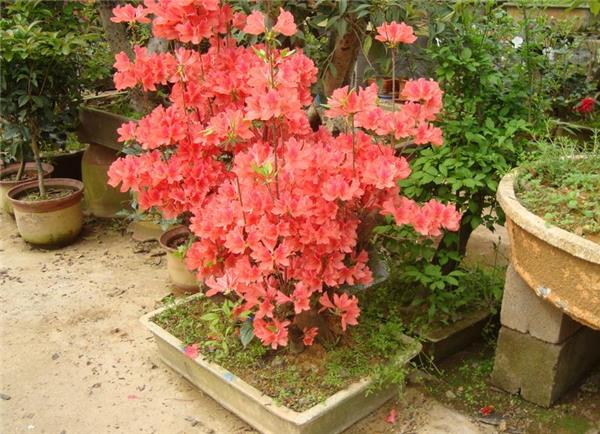
Wintersweet's characteristics and points to note when planting
1. Wintersweet likes sunlight and also tolerates partial shade. So pay attention to giving it sunlight and water at the right times.
2. Wintersweet fears wind and is relatively cold-tolerant, so it should be planted in fertile, loose, well-drained sandy loam soil.
3. Wintersweet has strong drought tolerance and fears waterlogging, so it should not be grown in low-lying land.
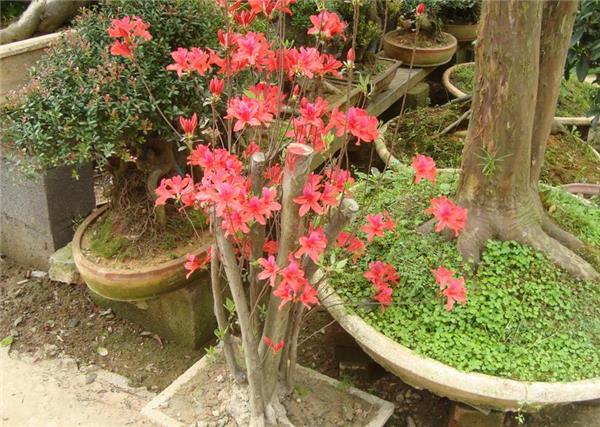
That is all for today's introduction to how to grow wintersweet bonsai. I hope you like it!