A Detailed Explanation of the Benefits and Culinary Uses of Wintersweet
As is widely known, wintersweet blooms in the cold winter, with yellow flowers resembling wax and a rich, striking fragrance. It is an ornamental plant for winter. Besides its ornamental value, wintersweet also has certain medicinal value. So what are the benefits of wintersweet? Let's take a look below!
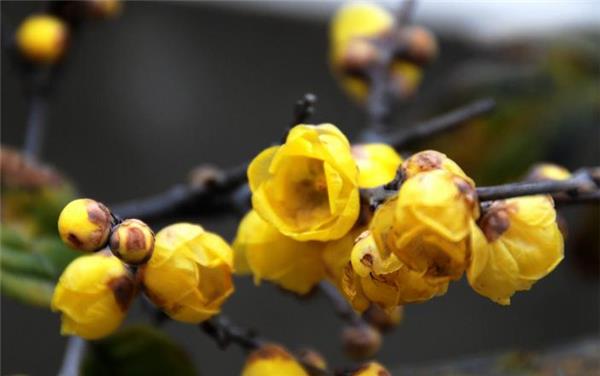
Benefits of wintersweet:
Flower buds: Relieve summer heat and promote fluid production, stimulate appetite and disperse stagnation, and stop coughing. Used for summer-heat dizziness, vomiting, qi stagnation with stomach oppression, measles, and whooping cough; for external use, treat scald and burn injuries, and otitis media.
Root: Dispel wind, detoxify, and stop bleeding. Used for wind-cold common cold, lumbar muscle strain, and rheumatic arthritis.
Root bark: For external use, treat bleeding from cuts.
Wintersweet flowers contain volatile oil. The oil contains chemical components such as borneol, eucalyptol, linalool, calycanthine, isocalycanthine, calycanthoside, a-carotene, linoleic acid, and oleic acid. The leaves contain calycanthine, calycanthine, and isocalycanthine; fresh leaves contain hydrocyanic acid. The seeds contain fatty oil, fatty acids, linoleic acid, linolenic acid, and other components.
1. Relieve summer heat and promote fluid production, stimulate appetite and disperse stagnation, promote lactation and moisten dryness, and stop coughing.
2. Mainly used for asthma, cough from overexertion, stomach pain, abdominal pain, rheumatic itching and pain, sores and swellings, and traumatic injuries.
3. Mainly used for summer-heat dizziness, vomiting, qi stagnation with stomach oppression, measles, whooping cough, scalds, burn injuries, otitis media, etc.
4. Root and stem, warm in nature. Dispel wind and regulate qi, invigorate blood and detoxify.
5. It can also relieve stagnation and harmonize the middle, stop coughing and transform phlegm, and detoxify. Used for depression and vexation, liver-stomach qi stagnation, globus hystericus, scrofula and sores, etc.
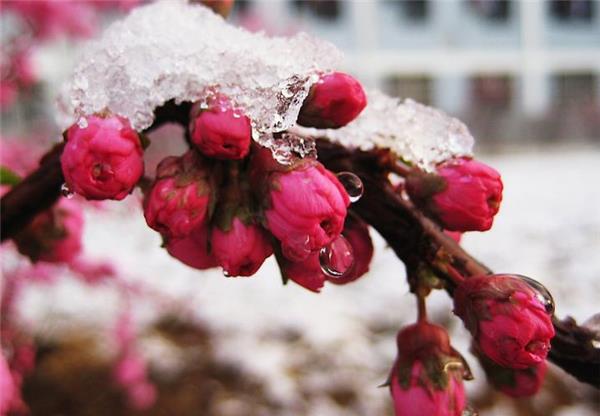
Benefits of wintersweet flower tea:
Benefit one of wintersweet flower tea: It has the effects of relieving summer heat and promoting fluid production, stimulating appetite and dispersing stagnation, detoxifying and promoting tissue regeneration, and regulating qi and stopping coughing.
Benefit two of wintersweet flower tea: It has the effects of treating summer-heat with vexation and thirst, dizziness, chest oppression, vomiting, infantile paralysis, and whooping cough
Benefit three of wintersweet flower tea: It has the effects of lowering blood sugar and stimulating the uterus and intestinal tract.
Benefit four of wintersweet flower tea: It has the effects of treating febrile disease with vexation and thirst, chest oppression, coughing, scalds and burns, and other conditions.
In addition, regularly drinking wintersweet flower tea also has the effect of improving acne, pimples, and dark spots.
Suitable pairings for wintersweet flower tea: bitter melon tea, kuding tea, snow lotus, rose, honeysuckle, carnation, ginseng flower, snow lotus flower, gynostemma tea, lemon balm, lemongrass, lingzhi, osmanthus, osmanthus fragrans flower, magnolia flower, bitter orange flower, calendula, camellia, lotus, azalea, etc.
Brewing method for wintersweet: one teaspoon of dried petals, brewed with a cup of boiling water, covered and steeped for about ten minutes, then ready; brown sugar or honey may be added to taste.
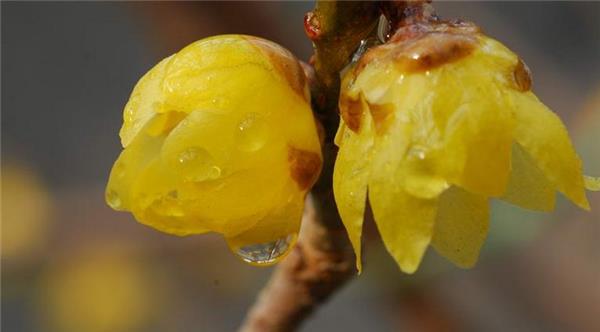
Culinary uses of wintersweet:
1. Wintersweet fish head soup: 10 wintersweet flowers, 750 g fish head, appropriate amounts of various seasonings, 1000 g clear chicken broth. Wash the fish head and put it in a pot to stew, then add the seasonings. After adjusting the flavor, add the wintersweet petals and it is ready to eat.
2. Braised beef strips with wintersweet: 500 g beef, 10 wintersweet flowers, 50 g lard, 25 g onion, 25 g celery, 25 g carrot, 15 g oil-based sauce, appropriate amounts of refined salt, peppercorns, and pepper powder.
3. Stewed tofu with wintersweet: 5 wintersweet flowers, appropriate amount of tofu, 250 g cooked soybean oil, appropriate amounts of shredded scallion, cilantro, refined salt, and pepper powder. Put the pot on the heat; after the oil is hot, add the cut tofu strips and fry until yellow, then remove. Pour out the oil, add the shredded scallion and stir-fry briefly, add water and salt, then pour in the tofu strips and stew for 5 minutes. Add the pepper powder; when removing from the pot, add the wintersweet flowers and monosodium glutamate to adjust the flavor.
4. Plum blossom porridge: Take 5-7 white plum blossoms, pull off the petals, wash them clean with water, and set aside. Wash 100 g japonica rice and put it in a pot, cook until the porridge is done, add the white plum blossoms and an appropriate amount of white sugar, and bring to a brief boil. This porridge can soothe the liver and regulate qi, strengthen the spleen and stimulate appetite, and refresh the mind and brighten the eyes. It is suitable for liver-stomach qi pain, depression and discomfort, loss of appetite, dizzy head and eye pain, neurosis, etc. It is a commonly used item for stimulating appetite and dispersing stagnation.
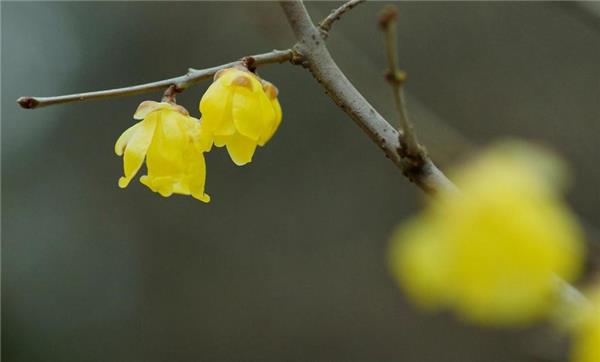
The above content briefly introduces the benefits of wintersweet, the benefits of wintersweet flower tea, and the culinary uses of wintersweet. I hope you like it!