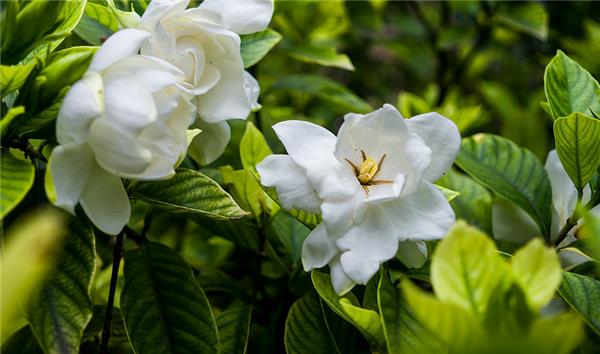
How to Grow Gardenias: An Introduction to Gardenia Cultivation Methods
With the improvement of living standards today, home decoration is receiving more and more attention, and flowers remain as popular as ever with homeowners. The fresh and elegant character of the gardenia has no shortage of fans. The gardenia prefers warmth and is not cold-tolerant; in areas south of the Yangtze River it can overwinter outdoors, while in northern regions it is only suitable for pot cultivation. Let's take a look below at how to grow gardenias.
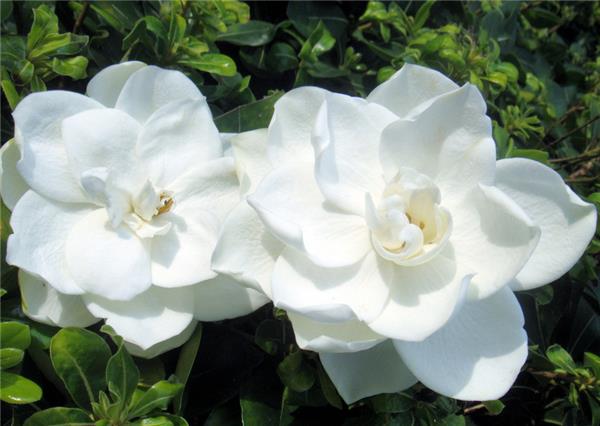
The gardenia is a clumping small shrub, with side branches growing in a three-forked pattern and strong sprouting ability. If not pruned, the small branches cross and overlap, the plant shape becomes disordered, they interfere with each other, and the interior becomes impenetrably dense, dispersing nutrients. This not only makes the plant shape unattractive but also affects flowering.
II. How to Grow Gardenias
1. Planting
To grow gardenias, use a fertile acidic potting soil. Generally, a mix of 4 parts leaf mold, 4 parts garden soil, and 2 parts sandy soil can be used, with 1-2 grams of sulfur powder mixed into each kilogram of potting soil. Neutral or slightly alkaline soil lacks the iron elements available for the plant to use, which easily causes the leaves to turn yellow.2. Fertilizing
Gardenias like fertilizer. When grown in pots, in addition to applying organic fertilizer as a base fertilizer when repotting, you should also apply frequent topdressings during the growth and development period, with light fertilizer being preferable. In addition to regularly applying alum fertilizer water, after buds appear, apply 2-3 additional applications of quick-acting phosphorus fertilizer, such as 0.5% superphosphate.
During the growth period, water once every 10-15 days with 0.2% ferrous sulfate water, or apply alum fertilizer water once every 10-15 days (the two can be done alternately). This can both prevent the soil from becoming alkaline and supplement iron elements to the soil, thereby preventing the leaves from turning yellow.
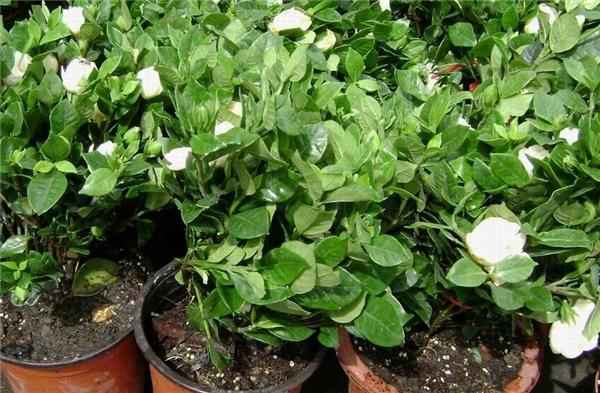
For watering gardenias, it is best to use rainwater or fermented rice-washing water. Gardenias like moisture. In addition to frequently keeping the potting soil moist at ordinary times, you must also always pay attention to increasing air humidity. Therefore, in spring and summer, spray the leaf surfaces with clean water and sprinkle water on the nearby ground every morning and evening to increase air humidity. In winter, watering should be reduced, but the branches and leaves still need to be sprayed and washed frequently to keep the leaf surfaces clean.
4. Light
Gardenias like sunlight, but they fear heat and strong direct sun. They grow best in a semi-shaded place; 60% of full-day light is enough, and this is what meets their growth needs.
5. Temperature
During the growth period, 18°C to 22°C; during the overwintering period, 5°C to 10°C; below -10°C, they are prone to freezing damage.
6. Timely Pruning
Gardenias have strong sprouting ability and easily develop overlapping branches, poor ventilation, and dispersed nutrients. When shaping, select and retain three main branches according to the tree shape, and remove at any time other branches sprouting from root suckers. After the flowers fade, the branches should be cut back promptly to encourage new shoots to sprout below the cut. When the new shoots grow three nodes, pinch off the tips to prevent blind growth.
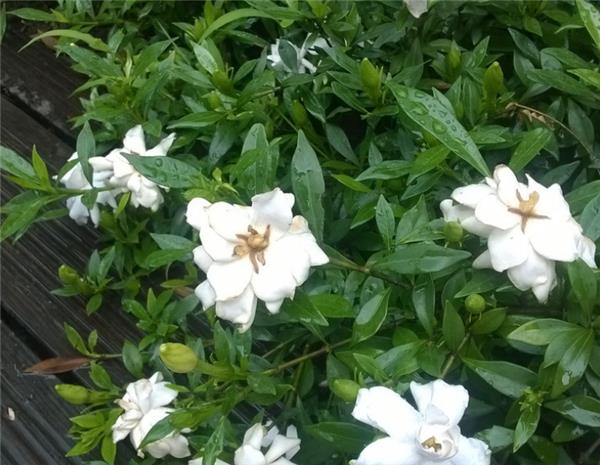
① Iron deficiency. Excessive lime, alkali, phosphorus, manganese, etc. in the soil can all affect the plant's absorption of iron and affect chlorophyll formation, causing the veins of young leaves to lose green, spreading across the entire leaf. You can apply 1/500 ferrous sulfate water or 0.2% black alum water once every 10 days.
② Magnesium deficiency. Acidic red soil and excessive potassium or ammonium are all prone to causing magnesium deficiency, making the veins of the lower old leaves lose green and turn yellow. You can spray with a 1% to 2% magnesium sulfate solution, but excessive application of magnesium will cause calcium deficiency and hinder the development of xylem in the roots and stems.
③ Potting soil too wet or too dry.
④ Exposure to strong sun in summer.