What are the environmental benefits of green plants? A detailed explanation for you
People grow small green plants in their rooms, because everyone knows these small plants can purify the air. Let's take a look together at the environmental benefits of green plants!
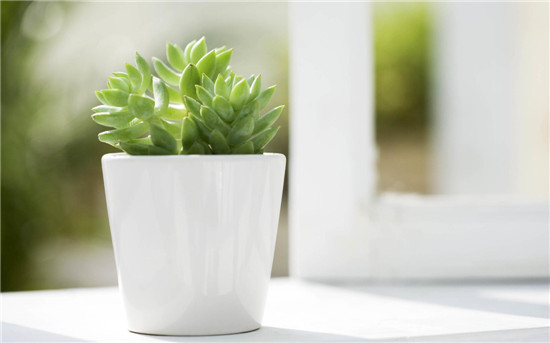
What benefits do indoor plants have
Pleasing to the eye
If green occupies 25% of the field of vision, it can eliminate the physiological fatigue of the eyes. So placing green plants indoors not only serves a decorative function in the home, creating a good indoor environment and pleasing the eye, satisfying people's psychological needs, but can also help people relax during stressful work.
Mood adjustment
The volatile substances released by aromatic plants have a very good regulating effect on people's emotions. The fragrance given off by some flowers can change people's listless state and lift their spirits, while others have a calming effect that aids sleep.
Releasing oxygen
Most plants carry out photosynthesis during the day, absorbing carbon dioxide and releasing oxygen, and respire at night, absorbing oxygen and releasing carbon dioxide. But some plants, such as those in the cactus family, are exactly the opposite: during the day, to avoid water loss, they close their stomata, and the oxygen produced by photosynthesis is released only after the stomata open at night. Since plants have this "complementary" function, growing the two types of plants together in one room can balance the indoor levels of oxygen and carbon dioxide and keep the indoor air fresh.
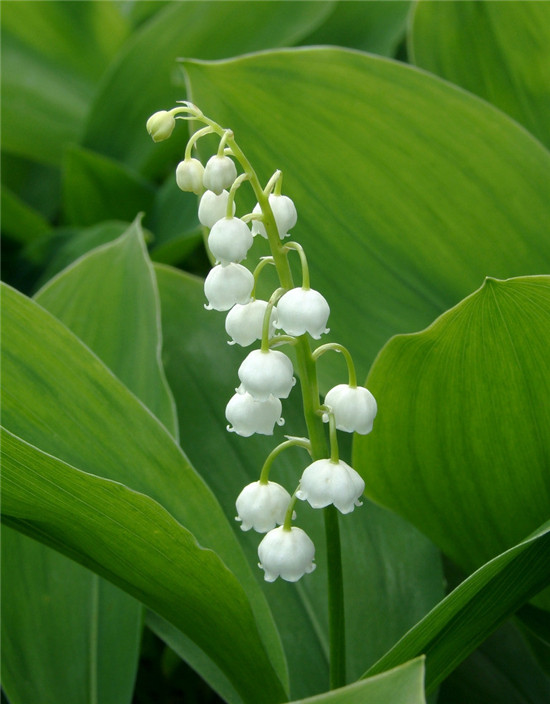
Regulating humidity
After water is absorbed by indoor plants, it is released into the air through transpiration from the leaves, which can regulate air humidity. In the dry north and in sealed rooms using air conditioning, this function is especially important.
Characteristics of indoor green plants
① Indoor greenery can regulate temperature and humidity, absorb carbon dioxide, release oxygen, purify the air and the environment, and also has a good sound-absorbing effect, and can block sunlight, absorb radiant heat and provide thermal insulation.
② Compared with handicrafts, indoor decorative plants are endowed with more vitality and a sense of movement. They can form a contrast in color, texture and form with interior walls and furniture furnishings, enhancing the expressive power of the environment with their natural beauty.
In terms of color, plants can form a contrast with the wall, floor and background colors, making the plants look even fresher and more pleasing to the eye.
In terms of texture, the contrast between plants and the materials of modern furniture inevitably produces different textural effects, setting each other off and echoing one another, creating a unique mood of returning to nature.

In terms of form, modern building interiors tend toward simplicity, brightness and linear composition, while the outlines of plants are natural and their forms varied, differing in size, height, density, curvature and straightness, forming a sharp contrast with the straight, square lines of building interiors and eliminating the stiffness and monotony of the walls. Indoor greenery can also rely on the contrasting effect of the different flowers and leaves of plants to increase the expressive power of the space and play a role in beautifying the space.
③ Indoor plants can not only beautify the space in form, but can also coordinate with other furnishings to give the spatial environment a certain atmosphere and mood, satisfying people's spiritual needs and playing a role in cultivating the temperament.
The spiritual function of indoor greenery often lies in people's associations with plants, linked to this kind of psychological activity, such as orchids making people think of nobility and purity, plum blossoms making people think of loftiness, peonies making people think of wealth and honor, and pines and cypresses making people think of strength and vigor.

The environmental benefits of green plants
The chlorophyll in the leaves and stems of green plants can carry out photosynthesis, the essence of which is to release oxygen and energy when converting carbon dioxide into sugars. It is mainly oxygen, food and energy. Animals consume oxygen and exhale carbon dioxide, and must rely on green plants carrying out photosynthesis to maintain the balance of oxygen and carbon dioxide in Earth's atmosphere. The vast majority of human food comes directly or indirectly from plants, and petroleum, coal and natural gas, which account for the vast majority of human energy, also mainly come from ancient plants. In addition, wood is used for us to build homes, cotton and flax for us to make clothing, and many plants can also be used directly as medicine or have active ingredients extracted from them to make drugs. In short, human life absolutely cannot do without green plants.
Since ancient times, plants have silently been improving and beautifying the human living environment. In the plant kingdom, there are about 7,000 species of plants that can be eaten by humans, and quite a few plants have miraculous healing effects. There are about 5,000 to 6,000 kinds of folk herbal medicines, and 40% of modern medicines come from nature. Scientists have also extracted anti-cancer substances from plants such as maytenus and yew, and their effects are very obvious.
Green plants are the pillar of ecological balance, because plants can purify sewage, eliminate and weaken noise, resist drought and fix sand, tolerate salt and alkali and waterlogging, and monitor pollution from sulfur dioxide, fluorine, chlorine, ammonia and so on.
Green plants rely on photosynthesis to maintain growth, absorbing carbon dioxide and releasing the oxygen that humans need to sustain life. According to surveys, the air in forest areas contains more negative oxygen ions, which after being inhaled into the human body can regulate the processes of excitation and inhibition in the cerebral cortex, improve the body's immune capacity, and have therapeutic effects on chronic bronchitis, insomnia and so on. Many plants can also secrete bactericides that kill surrounding germs, such as the bactericide secreted by eucalyptus, which can kill tuberculosis bacteria, pneumonia bacteria and so on. A single pine tree can secrete 2 kg of bactericide in a day and a night, which can kill germs such as diphtheria and dysentery.
The above is all the content I have summarized for you on the environmental benefits of green plants. I hope this article can help everyone. Please also continue to follow us.