What Are Indoor Plants? Introduction to the Most Common Indoor Plant Varieties
How to keep the air in a room fresh is a question we must consider in daily life. Besides air purifiers, more and more people choose to place air-purifying indoor plants. Which plants are better, and what should we pay attention to? Let's take a look together!
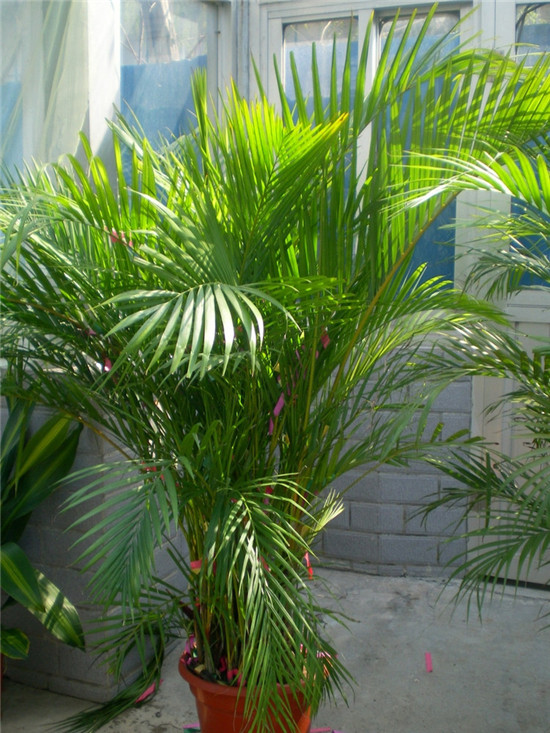
Ranking of Air-Purifying Indoor Plants
1. Areca palm (Arecaceae). The number one air-purifying plant listed by NASA is the areca palm, hailed as "the most effective air humidifier." During dry periods, the areca palm can keep your room or office moist and continuously remove harmful chemicals from the air. In winter, it can even replace a humidifier.
2. Broadleaf lady palm (Arecaceae). The broadleaf lady palm ranks alongside the areca palm as one of the plants rated by NASA as best at purifying air. The broadleaf lady palm is an all-purpose plant that can survive in dry environments as well as in humid climates, with a suitable temperature range of 20°F to 100°F, and it also resists most plant insects. For more pictures of the broadleaf lady palm and other air-purifying plants, please search on this site.
3. Parlor palm (Arecaceae). Scoring slightly lower than the previous two plants is the parlor palm, also one of the good "purifying plants." In conditions of a little sunlight and a humid but not wet environment, the parlor palm can thrive. If these conditions can be guaranteed, the parlor palm can help keep your indoor air fresh.
4. Rubber plant (Moraceae). The fourth greatest air-purifying plant rated by NASA is the rubber plant. The rubber plant excels at removing indoor chemical toxins, especially formaldehyde. It does not need as much sunlight as other plants, yet its purifying effect is stronger than that of all other weeping figs. However, it should be noted that the leaves of the rubber plant are toxic, so if your pet keeps wandering around the rubber plant, you need to be careful.
5. Dragon tree, ranked 5th with a score of 7.8. As long as you bring the dragon tree home, it can make the air in your room or office fresh and pleasant.
Other Recommended Air-Purifying Plants
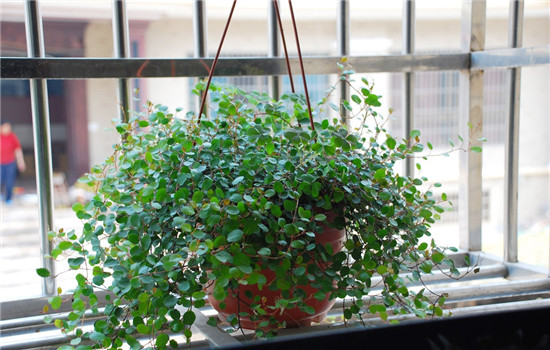
1. Spider plant: Its ability to absorb harmful chemicals in the air exceeds that of air filters. One pot of spider plant can, within 24 hours, completely absorb carbon monoxide, nitrogen peroxide and other volatile harmful gases in a room.
2. Cactus: Its characteristic is that it closes its stomata during the day to prevent water evaporation. At night it opens its stomata, absorbing carbon dioxide and releasing oxygen. If two or three pots of cactus are placed indoors, they can increase the negative ions in the air, greatly benefiting sleep and health.
3. Snake plant: A natural scavenger. One pot of snake plant can absorb more than 80% of various harmful gases in a room of about 10 sq m; two pots of snake plant can basically completely purify the air in an ordinary living room; the snake plant can also release a large amount of oxygen during the day.
4. Aloe: As a gardening saying goes, "Spider plant and aloe are strong hands; formaldehyde is so scared it hides away." Evergreen aloe has a certain effect in absorbing odors, and its effect lasts a long time. In addition, aloe also has beauty benefits.
5. Chinese rose: It can absorb gases such as hydrogen sulfide, hydrogen fluoride, benzene, ethyl phenol and ether; it also has considerable resistance to sulfur dioxide and nitrogen dioxide.
6. Ivy: One pot of ivy can eliminate 90% of the benzene in a room of 8 to 10 sq m, can deal with bacteria and other harmful substances brought in from outdoors, and can even absorb dust that is difficult for even a vacuum cleaner to pick up.

Plants That Should Not Be Placed Indoors
Chinese rose: The strong original fragrance given off by the Chinese rose can make people with allergic constitutions feel chest tightness and discomfort, and leave them gasping for breath.
Orchid: If its fragrance is smelled for too long, it can make people overly excited and cause insomnia.
Oleander: The toxic gas it gives off can cause depression and shortness of breath, and easily triggers tracheitis and pneumonia. Frequently smelling its odor can cause a decline in intelligence.
Redbud: If a person comes into contact with its pollen for a long time, it can induce asthma.
Night-blooming jasmine: At night it gives off strong particles that irritate the sense of smell. People with high blood pressure and heart disease should not smell it for long, otherwise it will worsen their condition.
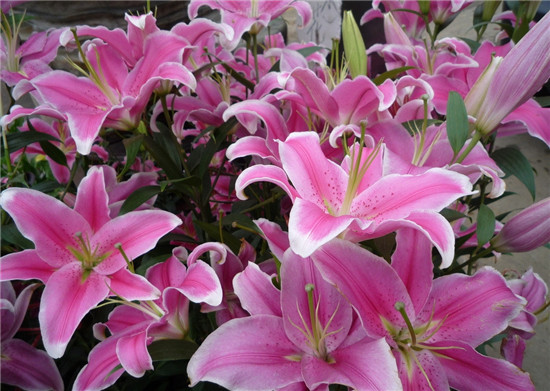
Lily: Smelling its fragrance for a long time will overexcite a person's central nervous system and cause insomnia.
Hydrangea: If a person comes into contact with the particles it gives off for a long time, skin allergies or skin itching may occur.
Pine and cypress: The odor given off by pine and cypress flowers and trees has an irritating effect on the human stomach and intestines. Smelling it for a long time not only affects a person's appetite, but also makes pregnant women feel upset and restless, and nauseous and wanting to vomit. Source: Bihai Yinsha Comprehensive.
The above is the full content of the introduction to the most common indoor plants that I have summarized for everyone. I hope this article can help you. Please also continue to follow us.
skin allergies or skin itching may occur.Pine and cypress: The odor given off by pine and cypress flowers and trees has an irritating effect on the human stomach and intestines. Smelling it for a long time not only affects a person's appetite, but also makes pregnant women feel upset and restless, and nauseous and wanting to vomit. Source: Bihai Yinsha Comprehensive.
The above is the full content of the introduction to the most common indoor plants that I have summarized for everyone. I hope this article can help you. Please also continue to follow us.