What are hydroponic plants? Common varieties recommended
Nowadays many households grow plants, whether to protect against radiation or to absorb formaldehyde, plants often bring us a good mood. Next, I will introduce several easy-to-grow hydroponic plants.
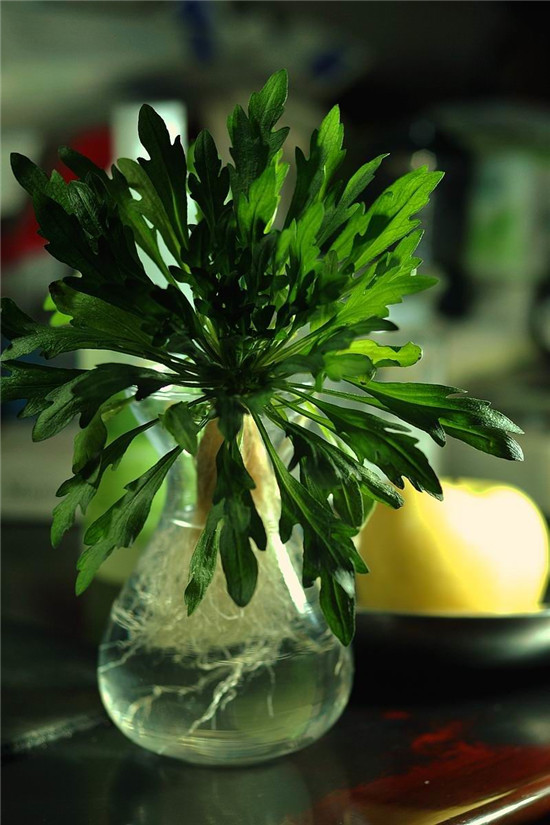
Characteristics of hydroponic plants
Characteristics of hydroponic plants: First, because water can evaporate freely, in the same environment they play a more obvious role in regulating air humidity than plants grown in potting soil. Second, hydroponic plants can omit the management work of potting soil, are clean and hygienic, and are simple to care for. Third, if you choose some plants whose root systems can be exposed to light, and match them with suitable containers, the whole plant can be viewed, fresh and elegant, with higher ornamental value.
Types of hydroponic plants
Hydroponic plants generally refer to plants that can grow normally in water or water-saturated soil for a long time, such as water lilies, Azolla, rice, etc. If divided by their distribution in water, they can be subdivided into three major categories: emergent plants, submerged plants, and floating plants. Such as lotus, Hibiscus, lotus flowers, etc. There are many varieties of hydroponic plants. According to the lifestyle of hydroponic plants, they are generally divided into four major categories: floating-leaved plants, free-floating plants, submerged plants, and emergent plants.
Cultivation of hydroponic plants
The cultivation of hydroponic plants should be carried out according to the habits of different plant species and varieties. There are two different techniques for planting hydroponic plants: one is to build a planting trough at the bottom of the pond, spread at least 15 cm of culture soil, and plant the hydroponic plants into the soil; the other is to plant the hydroponic plants in containers, and then sink the containers into the water. The two methods introduced above each have advantages and disadvantages. But the method of planting hydroponic plants in containers and then sinking them into the water is more popular, because it is convenient to move; for example, in winter in the north the containers must be taken out for storage to prevent the plants from being attacked by severe cold; when changing soil, adding fertilizer, and dividing plants in spring, the work is also more flexible and labor-saving, and this method can keep the pond water clear, and cleaning the pond bottom and changing the water are also more convenient.
Hydroponic plant recommendations
The root systems of hydroponic plants are very developed and can soak in water for a long time. Plants whose soil roots can be transformed into water roots through domestication include Monstera deliciosa, Milan, Clivia, camellia, jasmine, rhododendron, goldenrain tree, violet, Phalaenopsis, fuchsia, rubber fig, Brazilian iron, begonia types, ferns, palm family plants, as well as Christmas cactus, lucky bamboo, Brazilwood, ivy, coleus, etc.
Choosing plant varieties is also very important. In order to attract consumers, some merchants force flowers and plants that are not suitable for hydroponics into water; such plants will certainly not live long. After seven or eight years of unremitting research and experiments by plant scientists, they have now mastered the domestication and transformation technology and nutrient solution formulas for hydroponic flowers, and have applied for a national patent and entered the public announcement period.
Hydroponic plants need attention to the three most important factors for their growth: light, changing water, and fertilizing.
Light is divided into full-light types, semi-shade types, and shade-tolerant types.
Water-changing frequency: In summer, change the water frequently, once every 5-7 days; in spring and autumn the interval is slightly longer, once every 7-10 days; in winter the interval is even longer, once every 10-15 days.
Water-grown flowers cannot rely on nutrients in tap water, which are insufficient, and need a dedicated nutrient solution, but do not apply it excessively, otherwise it will cause fertilizer damage. Only in the peak growing season should the fertilizing frequency be increased.
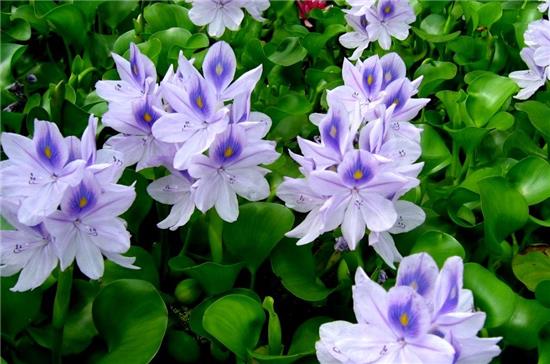
Water hyacinth in the water
The center of the petals of water hyacinth has an obvious bright yellow spot, shaped like a phoenix eye, and also like the flower spot at the end of a peacock's tail feathers, very dazzling and beautiful. It is like a peacock in the water, with an elegant and noble posture. Water hyacinth likes to grow on sunny, calm water surfaces, or on moist and fertile slopes, so it is a very easy hydroponic plant to grow. Therefore, water hyacinth has the advantage of both high ornamental value and being convenient to grow.
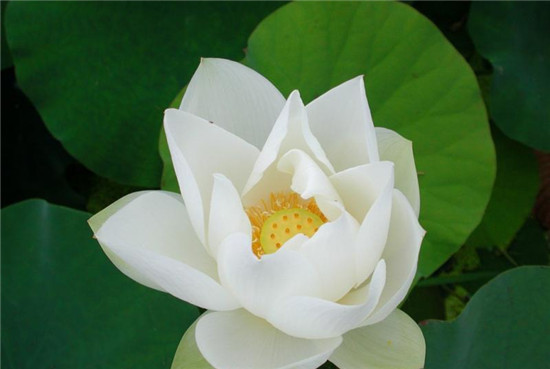
Elegant water lily
Water lily, also called noon lotus and cress flower, is a perennial hydroponic plant. Water lily is a precious flower among aquatic flowers. Its appearance is similar to the lotus, except that the leaves and flowers of the lotus stand out above the water surface, while the leaves and flowers of the water lily float on the water surface. Because it opens by day and closes by night, the water lily is praised as the "sleeping beauty among flowers." Water lily has a wide range of uses and can be used for food, making tea, cut flowers, medicinal use, and so on. Its ornamental value is also very high. For a water-grown plant with so many advantages, are you tempted?
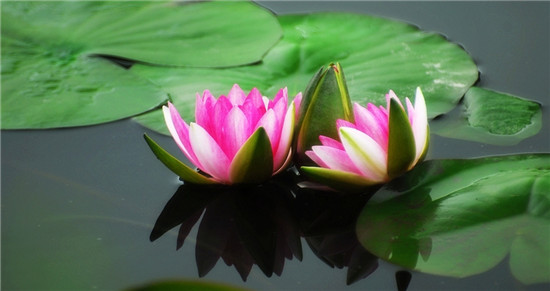
Clear-water hibiscus
The lotus has always been called the clear-water hibiscus, and the lotus has always been a representative plant among water-grown plants. There are many reasons why the lotus is loved by people. For example, its meaning is very auspicious, as lotus is a homophone for "harmony." It blesses a family with complete happiness and ten thousand years of bliss. The lotus also symbolizes love, because in Wang Bo's "Song of Picking Lotus" from the early Tang Dynasty, "pulling flowers just as twin stems, breaking lotus roots love connected threads," using twin lotuses and unbroken lotus root threads to express the unwavering fidelity of love between men and women.
The above is the full content of what hydroponic plants there are and hydroponic plant recommendations that I have summarized for everyone. I hope this article can help everyone. Please also continue to follow us.