Which plants absorb formaldehyde? A roundup of common air-purifying plants
You must be very happy about moving into a new home, but the smell of paint lingering right under your nose is a real annoyance. Learning which plants absorb formaldehyde should help ease that annoyance. Placing formaldehyde-absorbing plants not only reduces the smell of formaldehyde, but also decorates the room.
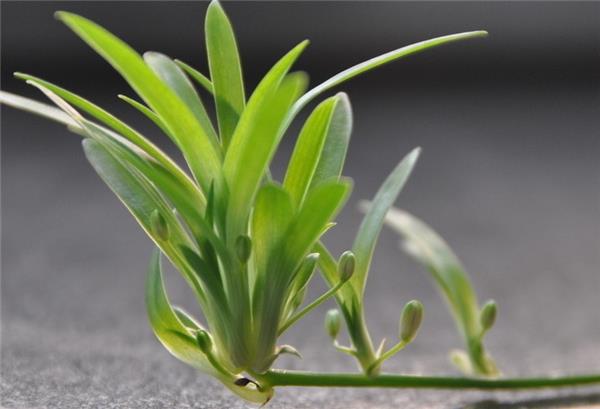
1. Spider plant
[Powerful formaldehyde-removing type] One to two spider plants in a room of 8 to 10 sq m can absorb more than 80% of the harmful gases indoors. Its formaldehyde-absorbing ability is extremely strong, equivalent to an air purifier: it can kill 80% of the harmful substances in a room within 24 hours and absorb 86% of the formaldehyde; it can also absorb nitrogen oxides, methane, benzenes, carbon monoxide, carbon dioxide, sulfur dioxide, chlorine peroxide and many other harmful gases, making it a master of air purification.
2. Snake plant
[Powerful formaldehyde-removing type] The snake plant has surfaces of milky white, pale yellow and dark green in alternating bands, and is a common household potted variety. It is drought-tolerant and likes sunlight, and is even more tolerant of shade. Indoors it can absorb more than 80% of harmful gases. What plants are better to put in a newly renovated home? In fact, aloe is also a good choice: it is not only good at absorbing formaldehyde, but also has strong medicinal value, and its sterilizing and beauty effects amaze many people. Quite a few potted varieties have now been developed, and it can even be displayed indoors as an ornamental.
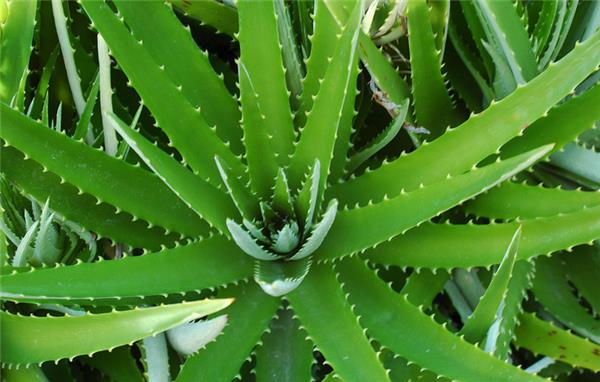
3. Aloe
[Super formaldehyde-removing type] Characteristics: a perennial evergreen succulent plant with short, upright stem nodes and thick, juicy, lance-shaped leaves. It likes a warm, dry climate, is not very cold-hardy, and is not tolerant of shade.
Effects: this plant can absorb formaldehyde and also has strong medicinal value, such as sterilizing. Quite a few potted varieties have now been developed, with strong ornamental value, and can be used to decorate the home.
4. Ivy
[Powerful benzene-removing type] Characteristics: the most ideal variety for vertical greening indoors and outdoors, an evergreen vine with slender, soft branches and aerial roots that can climb onto other objects. The leaves are alternate, triangular-ovate, and the demand for potted plants is growing day by day. It is a typical shade plant that can grow in full light, grows well in warm, humid climates, and is not cold-tolerant.
Effects: it can break down two harmful substances, namely formaldehyde found in carpets, insulation materials and plywood, and xylene hidden in wallpaper that is harmful to the kidneys.
5. Agave
[All-round type] In a room of about 10 sq m, it can eliminate 70% of benzene, 50% of formaldehyde and 24% of trichloroethylene.
6. Chinese rose
[All-round type] It can effectively break down and absorb harmful gases such as hydrogen chloride, hydrogen sulfide, phenol and ether.
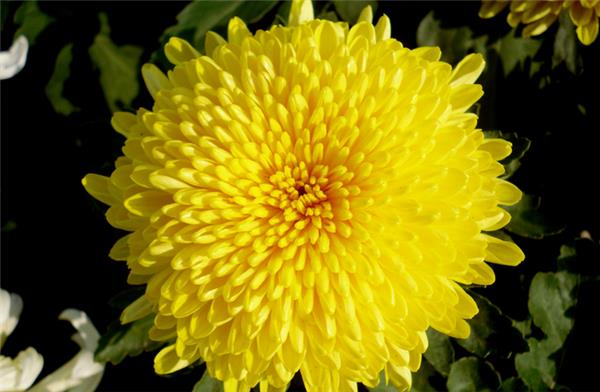
7. Chrysanthemum
[All-round type] It breaks down and absorbs xylene and formaldehyde. The chrysanthemum is a traditional variety of ours, with rich flower shapes and diverse colors. The chrysanthemum can break down two harmful substances, namely formaldehyde found in carpets, insulation materials and plywood, and xylene hidden in wallpaper that is harmful to the kidneys. It is also ornamental, and is a good hand at absorbing formaldehyde in a newly renovated home.
8. Golden pothos
[Powerful formaldehyde-absorbing type] It is known by the nickname "formaldehyde-absorbing ace". It can remove: formaldehyde, benzene, carbon monoxide and nicotine.
9. Begonia
[Powerful formaldehyde-absorbing type] Characteristics: a perennial evergreen herbaceous flowering plant. Its flowers are brightly colored with varied shapes, and its leaves are delicate and tender, so green they seem about to drip. It likes warm, humid and shaded environments, fears direct strong light, and requires well-drained sandy soil.
Effects: this plant can absorb formaldehyde, and its flowers, leaves, stems and roots can all be used as medicine, with effects such as clearing heat and reducing swelling, activating blood and dispersing stasis, cooling blood and stopping bleeding, and regulating menstruation and relieving pain. It can treat sore and swollen throat, vomiting blood, irregular menstruation and gastric ulcers, and also has good culinary uses.
10. Dayflower
[Powerful formaldehyde-absorbing type] An indoor foliage plant that likes shade; it can also be used for sore and swollen throat, venomous snake bites and so on.
11. Gerbera daisy (also known as African daisy)
Characteristics: a perennial herb of the Asteraceae family, with relatively large flowers and rich colors, blooming all year round. It likes warm, sunny and well-ventilated environments, is a semi-cold-hardy flower, and likes fertile, loose sandy loam rich in humus.
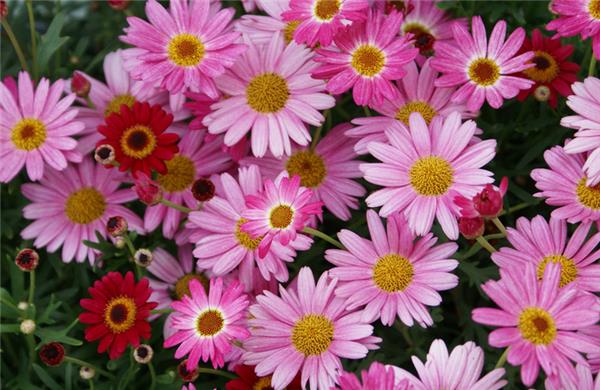
Effects: this plant can absorb formaldehyde and is highly ornamental, and quite a few varieties can even be used as cut flowers.
The above introduces several formaldehyde-absorbing plants, which should be very helpful for your move into a new home. If you are a friend about to move into a new home, what are you waiting for? Hurry and bring a few formaldehyde-absorbing plants into your home.
What are you waiting for? Hurry and bring a few formaldehyde-absorbing plants into your home.