Dumb Cane (Dieffenbachia) Growing Methods, Precautions and Functions Explained
Dumb Cane is loved by people not only for its role in greening and beautifying the home environment, but also for the great aesthetic pleasure it gives us. So what are the methods for growing Dumb Cane, and what should be noted?
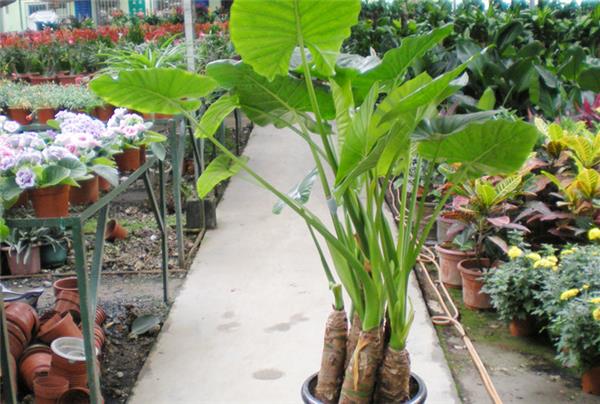
I. Dumb Cane Growing Methods
Method 1: Suitable temperature. First of all, to grow Dumb Cane well, you must know that Dumb Cane can only grow well at a temperature not lower than 18 degrees. If the temperature is lower than 18 degrees, it will cause Dumb Cane to enter a dormant state and also cause Dumb Cane to stop growing. Choosing the right temperature is also a necessary prerequisite for growing Dumb Cane well, and this point is also very important;
Method 2: An appropriate amount of light. We all know that Dumb Cane is a plant that prefers shade and cool conditions, but Dumb Cane also needs an appropriate amount of light, though the light should not be too strong. If Dumb Cane receives too strong light, it will cause Dumb Cane to become "wilted." You should know that Dumb Cane likes a warm, humid and shaded environment, but during the flowering period it needs sufficient sunlight, otherwise the spathe will be tinged with green, affecting its quality. So Dumb Cane still needs an appropriate amount of light time; ensuring about three hours of light per day should be about enough, and this point should also be kept firmly in mind;
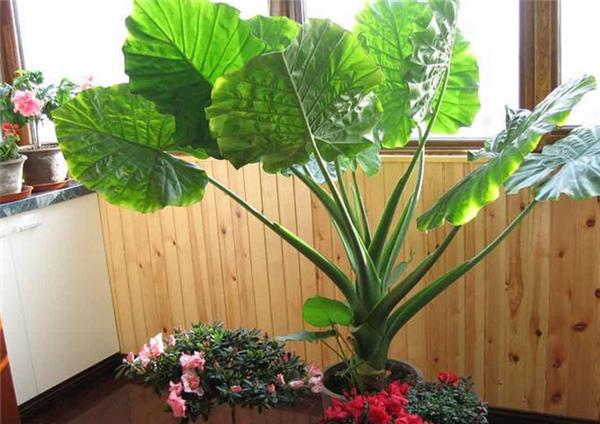
Method 3: Sufficient water. No matter what kind of plant it is, water is also very important. For a plant like Dumb Cane, the water requirement in summer is relatively high. In midsummer, water should be sprayed on the leaves every day at noon to increase air humidity, so that Dumb Cane's leaves can be both large and thick. If it is too shady, the leaves will become larger but thinner, and this will still greatly affect Dumb Cane's ornamental appeal, so the water requirement is also indispensable;
Method 4: An appropriate amount of fertilizer. Dumb Cane is also a plant that likes fertilizer. It should be given some nitrogen, phosphorus and potassium fertilizer every month, so that Dumb Cane can grow quickly. Fertilizing Dumb Cane about every twenty days can make its leaves larger, thicker and greener. If Dumb Cane is not fertilized for a long time, the lower part of its stem will become bare and bald, with yellow leaves appearing or the leaves becoming smaller, so an appropriate amount of fertilizer is also very crucial;
Method 5: Moist soil. Due to the influence of Dumb Cane's growth habits, Dumb Cane should be watered more in summer, but not excessively; it is enough to roughly ensure the soil's moisture, and there must not be standing water in the soil, otherwise Dumb Cane's tubers will rot. In winter it goes dormant and should be watered less. Always follow Dumb Cane's growth habits when planting.
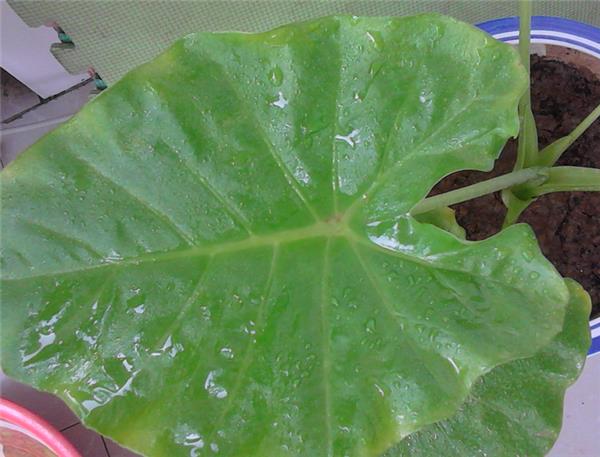
II. Precautions for Dumb Cane
Dumb Cane is a plant that likes warm, humid and slightly shaded environments, but during its flowering period it requires sufficient sunlight to be ensured, otherwise its spathe will take on a green color, thereby affecting its quality. For Dumb Cane, it must be ensured that there are 3-5 hours of light every day, otherwise its leaf stalks will elongate and its ornamental value will be affected. Dumb Cane's cold tolerance is not strong, and every year in mid-October it should be moved into a greenhouse. In summer, under shaded conditions, it should frequently be sprayed with water to cool it down and keep it moist. Dumb Cane by nature loves moist, fertile soil, which is what farming families often call "heavy fertilizer and heavy water," so during its growth period it should be watered in small amounts but many times.
Dumb Cane is currently a very common home-grown green potted plant. Because it is a tropical plant, it generally does not bloom in the north. However, if conditions such as temperature and humidity at home are suitable, it may also bloom. Although Dumb Cane does not have high requirements for soil, it is most ideal to plant it in well-drained, organic-matter-containing sandy loam or humus loam, where it grows best.
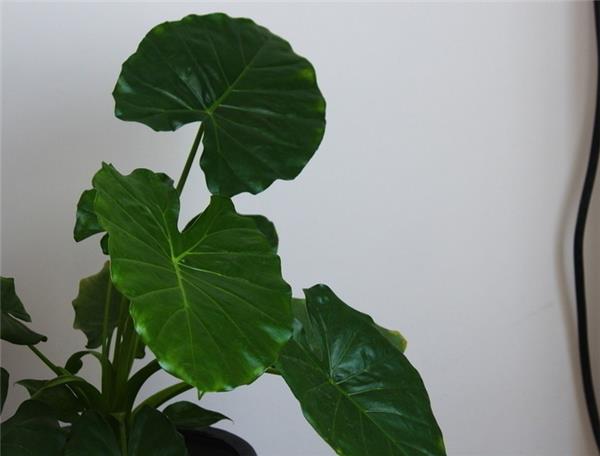
The above introduces Dumb Cane's growing methods and precautions, helping us cultivate a beautiful and highly ornamental Dumb Cane at home to decorate our home environment.