What are the nutritional benefits of zucchini? These benefits are worth knowing
In fact, many times, if we can pay attention to eating more vegetables and to matching our nutrition properly in daily life, many diseases can be addressed through food therapy. There are quite a few vegetables with food therapy benefits, and zucchini is one of them. So what is the nutritional value of zucchini? What kind of people are suited to eating it?

What is zucchini:
Zucchini has a fresh and tender texture and contains a variety of nutrients. It has the functions of relieving restlessness and quenching thirst, moistening the lungs and stopping cough, clearing heat and promoting urination, and reducing swelling and dissipating masses. It has a supportive treatment effect on conditions such as thirst, edema and abdominal distension, sores and toxins, as well as nephritis and ascites due to cirrhosis.
In addition, an inducer it contains is a type of interferon, which can stimulate the body to produce interferon, enhance immunity, and exert antiviral and antitumor effects.
The water content of zucchini is as high as 94%, giving it a very good skin-moisturizing and beauty-enhancing effect.

The nutritional value of zucchini
Every 100 grams of zucchini contains about 62.8 kilojoules of energy, 3 grams of carbohydrates, 1.5 grams of protein, 0.2 grams of fat, 0.2 grams of crude fiber, 0.01 milligrams of vitamin B1, 0.01 milligrams of vitamin B2, 9 milligrams of vitamin C, 0.3 milligrams of niacin, 0.01 milligrams of provitamin A (carotene), and a particularly high amount of vitamin E, reaching 1 milligram. The remaining vitamins and minerals are similar to those of winter squash, with relatively high proportions of potassium and magnesium.
The benefits of zucchini:
Traditional Chinese medicine holds that zucchini has the functions of clearing heat and promoting urination, relieving restlessness and quenching thirst, moistening the lungs and stopping cough, and reducing swelling and dissipating masses. It can be used for supportive treatment of edema and abdominal distension, thirst, sores and toxins, as well as nephritis and ascites due to cirrhosis. Zucchini contains an interferon inducer, which can stimulate the body to produce interferon, improve immunity, and exert antiviral and antitumor effects. Zucchini is rich in water and has a skin-moisturizing effect.
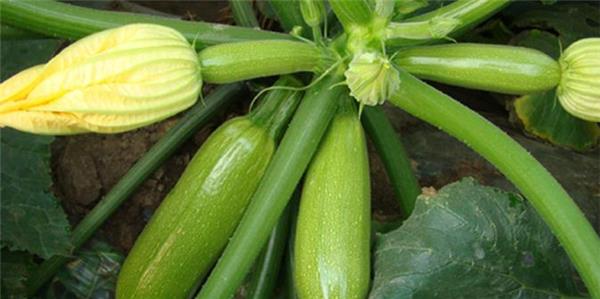
Nutritional analysis of zucchini:
1. Zucchini is rich in water and has a skin-moisturizing effect;
2. Zucchini regulates human metabolism and has the effects of weight loss and cancer prevention and resistance;
3. Zucchini contains an interferon inducer, which can stimulate the body to produce interferon, improve immunity, and exert antiviral and antitumor effects.
Who zucchini is suitable for:
1. The general population can eat it.
2. People with deficiency-cold of the spleen and stomach should eat less of it.

The food therapy effects of zucchini:
Zucchini has the effects of clearing heat and promoting urination, relieving restlessness and quenching thirst, moistening the lungs and stopping cough, and reducing swelling and dissipating masses;
It can be used for supportive treatment of edema and abdominal distension, thirst, sores and toxins, as well as nephritis and ascites due to cirrhosis.
I believe that after reading the above article, you have gained some understanding of the relevant content about the nutritional value of zucchini. I hope the above content can help everyone. For more exciting content, please continue to follow our website~