What are the uses and benefits of pothos flowers?
Pothos flowers are suitable for growing indoors in pots, so they offer both ornamental value and the ability to purify indoor air. In fact, the uses of pothos flowers go far beyond that, so let's take a look at what other uses pothos flowers have.
I. The uses of pothos flowers
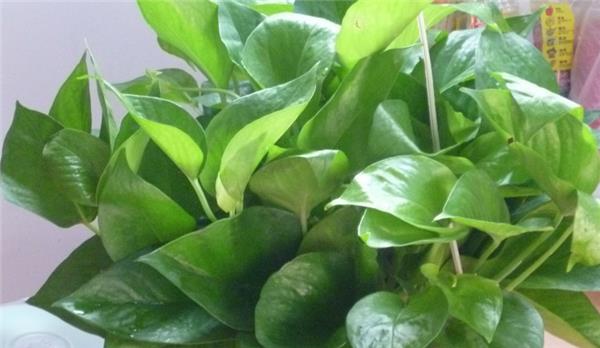
In daily life, household detergents, as well as cooking in a kitchen filled with oil fumes, are harmful to the human body, and pothos has the ability to absorb these harmful substances. Pothos can open the stomata on its leaves and absorb 70% of harmful gases, keeping indoor air clean. That is why potted pothos is placed in kitchens and on balconies at home.
Pothos also has ornamental value: as one of the excellent indoor decorative plants, it is a climbing vine foliage flower. Its stems are slender and soft, and its leaves are delicate and elegant. Place a pot on top of a cabinet at home and let its vines hang down gracefully, or after the vines hang too long, loop and hang them into a ring, just like emerald relief sculpture. Pothos not only purifies the air, but also adds lively lines and bright colors to the interior.
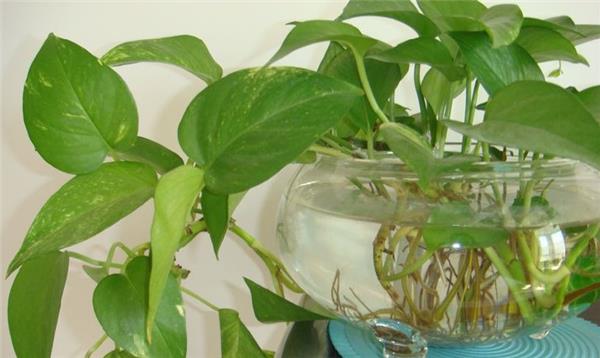
Pothos plants have ornamental value, and their leaves can beautify the environment and purify the air, so what are the uses of pothos flowers? In fact, pothos flowers are also a medicine beneficial to the body. Pothos flowers have significant therapeutic effects on diabetes, coronary heart disease, high blood pressure, high blood lipids, and various vascular inflammations. Pothos flowers can lower blood sugar and blood lipids, and mainly have a good auxiliary therapeutic effect on diabetes, fatty liver, coronary heart disease, obesity, high blood lipids, and various vascular inflammations. In addition, they have a good health-care effect on the eyes and liver.
II. How to grow pothos
1. Water more. Pothos likes to live in a moist environment, so it is best to water it more. In summer, when the weather is hot and water evaporates quickly, in addition to watering more, you should also spray water on the leaves. The amount of watering depends on the potting soil; larger pothos plants should be watered more.
2. Avoid direct sun exposure. Pothos grows in shaded places under large trees, so it is a shade-loving plant and cannot be exposed to direct sunlight, otherwise newly sprouted leaves will lose water and become smaller, with dull color, and the leaf edges are easily scorched. It is enough to provide sunlight for photosynthesis.
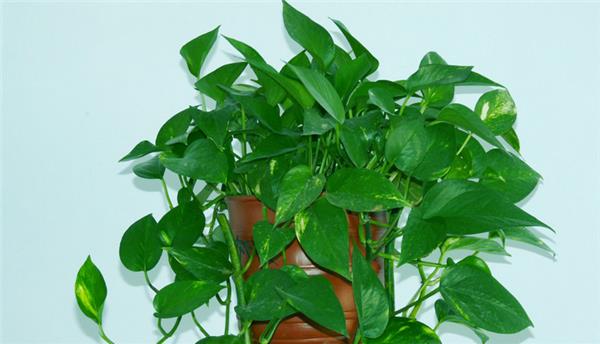
3. Appropriate temperature. Although pothos does not like blazing sun, it is still quite sensitive to temperature. If the temperature is too low, it is easily frostbitten. A room temperature of around 20 degrees is enough. If heating equipment is turned on, the pothos leaves must not be too close to it. If the indoor temperature is kept above 10 degrees, pothos can safely get through the winter.
4. Fertilizing. Because it is grown indoors, pothos does not absorb nutrients as abundantly as it would outdoors. It is recommended to apply fertilizer once every half month. You can buy fertilizer specially made for pothos on the market. Or ask the flower shop owner to help choose fertilizer.
5. Maintain air humidity. Pothos grows faster in environments with higher air humidity. It is recommended to maintain indoor humidity, and a humidifier can be used to increase air humidity. Specifically, you can spray water around the pothos.
The above gives you an understanding of the uses of pothos flowers, and their medicinal value is eye-opening. This plant, pothos, is a treasure in every way, so growing it well becomes very important, and attention must be paid to growing methods.