What to Do When Spider Plant Leaves Turn Yellow? Spider Plant Growing Tips
While spider plants play an important role in greening and beautifying our home environment, they can also develop problems of their own for various reasons. So what should you do when spider plant leaves turn yellow? Next, let us learn a few methods for dealing with yellowing spider plant leaves and bring our spider plants back to life.
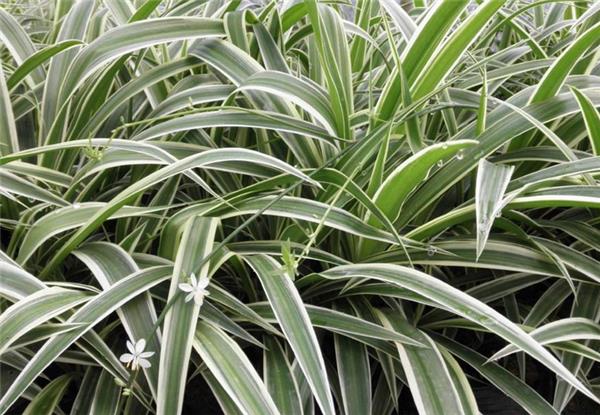
I. What to Do When Spider Plant Leaves Turn Yellow
Cause 1: Over-fertilization, exceeding the plant's needs. After fertilizing, the leaves appear glossy and uneven, and later, after part of the root system rots, the leaves turn yellow due to nutrient deficiency.
Treatment: At this point, fertilization should be stopped and more water given, or the root system can be rinsed once by dipping the pot, and replacing the soil is also a very good option. It is clear that the soil solution concentration is very important.
Cause 2: The soil has not been turned for a long time, so the soil has become compacted, and after all the nutrient elements in the pot are exhausted, a deficiency of the three most important elements, nitrogen, phosphorus and potassium, gradually turns the leaves yellow.
Treatment: At this point, the soil should be replaced, or fertile loam should be added promptly along with watering with alum fertilizer water.
Cause 3: Spider plants are a semi-shade type of flowering plant, but they still need light, so at least 4-5 hours of light should be ensured every day. Otherwise, chlorophyll decreases and the leaves also turn yellow.
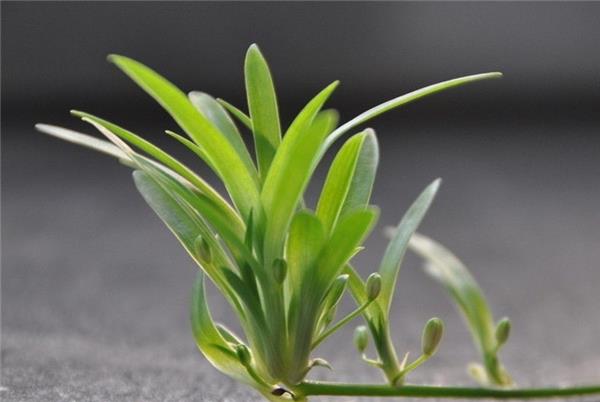
Treatment: The best approach is to place it under an indoor incandescent lamp or keep it on a balcony.
Cause 4: Poor air permeability and water permeability of the potting soil lead to long-term water accumulation in the pot that does not dry out, making root respiration difficult, so the leaves naturally turn yellow.
Treatment: At this point, the soil should be loosened promptly and moisture controlled. Fifth, watering has been done with only a little water for a long time without soaking through. The spider plant's roots lose water, and the lower old leaves turn yellow. It should be watered thoroughly, keeping the potting soil warm and moist.
II. How to Grow Spider Plants
Spider plants can be propagated by cuttings, division, sowing and other methods. Cutting and division propagation can be carried out at any time from spring to autumn. Spider plants have strong adaptability and a high survival rate, and are generally very easy to propagate. When taking cuttings, simply take a 5-10 cm stolon with new buds and insert it into the soil; it will root in about a week, and after about 20 days it can be transplanted into a pot, watered thoroughly and placed in a cool place for care.
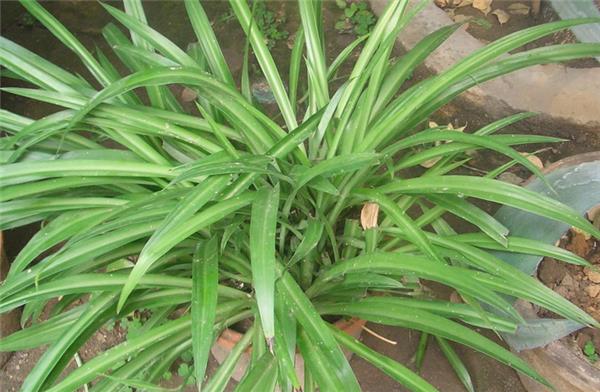
Spider plants are perennial evergreen herbaceous flowering plants with persistent roots. They have diverse forms and, moreover, strong shade tolerance and easy management. They are often used as hanging potted plants for indoor decoration or garden landscaping. The following points should be mastered for growing them:
1. Temperature regulation: Spider plants like a warm and humid climate and are not cold-tolerant. They grow fastest at 20-24°C, stop growing above 30°C, and their leaves easily turn yellow with dry tips.
2. Light adjustment: When cultivating outdoors in summer, pay attention to shading so the light is not too strong, otherwise sunscald is very likely to occur.
3. Water and fertilizer regulation: During the peak growing seasons of spring and autumn, watering should be sufficient, and the potting soil should often be kept moist. Also, frequently spray the branches and leaves with clean water close to room temperature to prevent dry tips, but do not let water accumulate.
4. Pruning and repotting: As the plant grows larger, old leaves at the base should be pruned frequently to maintain a good plant shape.
5. Pest control: Spider plants have dense clumps and poor ventilation, making them susceptible to scale insect damage, so prevention should be the main approach.
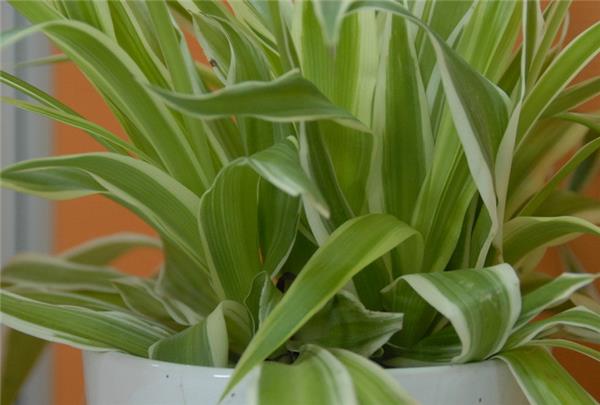
The above lists different solutions for different situations of yellowing spider plant leaves, which I believe will be of great use for your spider plant growing. At the same time, it also provides methods for growing spider plants, so that we can grow spider plants more scientifically.