How to grow wax begonias? A full breakdown of detailed cultivation methods
Wax begonia flowers are fragrant and have a graceful form, and because they bloom in all four seasons, they have become one of the most common and most widely cultivated potted flowers in modern home spaces. So how should wax begonias be grown? Below, we explain the cultivation methods for wax begonia flowers.
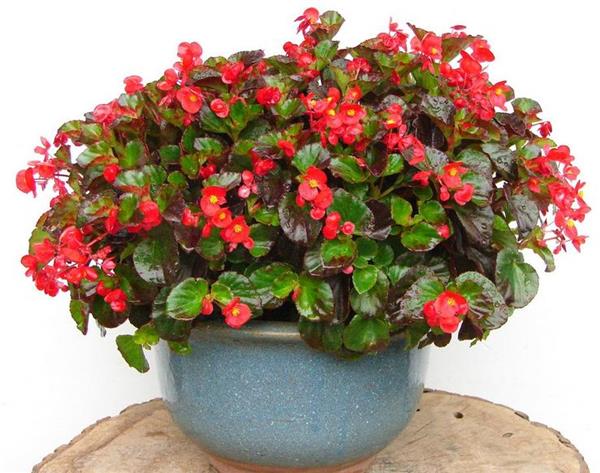
How to grow wax begonia flowers: first, let's properly understand the growth habits of wax begonia flowers.
Wax begonias like warm, humid environments, are intolerant of cold, afraid of drought and extreme heat, and dislike waterlogging, so they grow best in a semi-shady, humid, warm environment. Wax begonias belong to the Begoniaceae family; begonias are perennial succulent herbaceous flowers. The stems are smooth and hairless, pale red, and heavily branched. The leaves are simple and alternate, obliquely ovate-cordate. The reason people like them is mainly because they bloom in all four seasons, and the flowers come in two types: single and double.
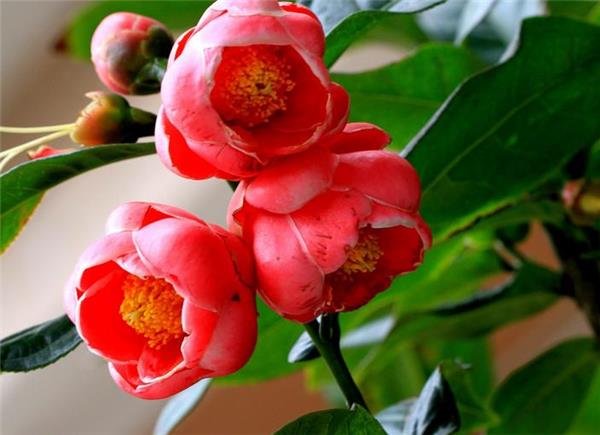
Cultivation methods for wax begonia flowers
First, potting soil. The ideal potting soil for wax begonias is a mix of river sand, leaf mold, and snake fern chips. Wax begonias are intolerant of extreme heat, so in summer they should be kept in a cool place for care.
Second, watering. Wax begonias like warm, moist conditions, so during the growing period, watering should be based on the plant's growth condition and changes in air temperature. Water less during the budding stage and keep the potting soil slightly dry; if it is too wet, it will cause root rot. During the growing period, water once every two days, and frequently spray water around the plant to increase air humidity. Also note: when watering, do not pour from the top of the leaves and stems; water along the edge of the flowerpot, otherwise the stems and leaves easily accumulate water and rot.
Third, fertilizing. During the growth period, wax begonias should be fertilized according to the leaf color and leaf growth condition. Do not apply too much fertilizer, otherwise the leaves will grow excessively and flowering will be affected. Before flowering, apply an appropriate amount of phosphorus fertilizer and potassium fertilizer to improve flower quality.
Fourth, when winter comes, dig up the bulbous roots and hang them for storage in a dry, ventilated place, or move the potted flowers indoors to a warm place to overwinter.
Fifth, disease prevention. During hot, dry periods, wax begonias are prone to root rot and stem rot. At the early stage of discovery, watering should be controlled promptly, and carbendazim should be sprayed for prevention and control. Continued use for a period of time can show results.
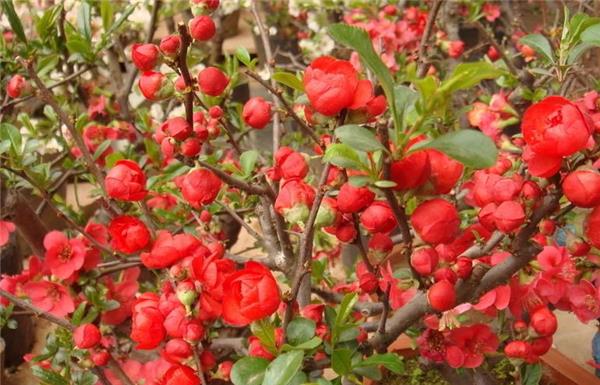
Sixth, winter and summer management. Because wax begonias are affected by temperature in winter and summer, their growth is relatively slow, so fertilizer and water management need to be strengthened.
Seventh, sunlight. During the high temperatures of midsummer, by all means avoid exposing wax begonias to direct strong light, as this will sunburn them.
Eighth, after wax begonia flowers fade, be sure to promptly remove the growing tips and remove the remaining flowers; in this way, they will grow more luxuriantly.
Ninth, pests. The common pest of wax begonias is the leaf-roller moth; this insect's larvae feed on young leaves and flowers, directly affecting the growth and development of wax begonias. In this case, if it is not especially serious, they can be picked off by hand; for serious cases, use a diluted dimethoate solution for spraying.
Tenth, the flowerpot for wax begonias should usually be placed on a balcony or in a courtyard for care in semi-shade. Never let direct sunlight shine in, and pay attention to ventilation. About half a month after planting wax begonias, you can apply a decomposed liquid fertilizer; afterward, during the growing period, apply a light liquid fertilizer once every 20-30 days. In winter, move them indoors and place them in a spot with ample sunlight, and the minimum temperature must not be lower than 10°C.
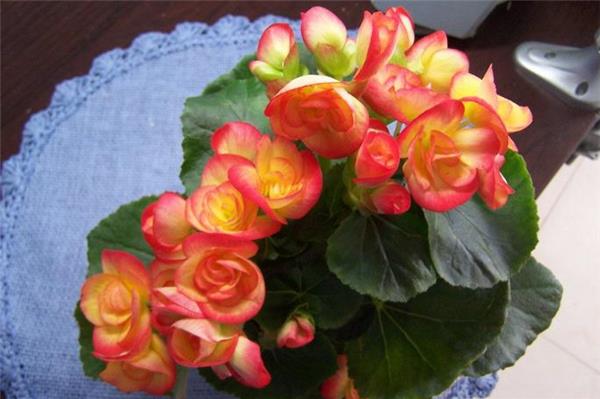
Notes
① Fertilizer. During the growing period of wax begonias, grasp the principle of applying thin fertilizer frequently, mainly applying decomposed odorless organic thin liquid fertilizer or inorganic fertilizer soaking solution. During the seedling tillering stage, apply more nitrogen fertilizer to promote the growth of branches and leaves; during the budding and flowering stage, apply more phosphorus fertilizer to encourage more flower buds, more flowers, and brighter colors. If fertilizer is lacking, wax begonia plants will wither and may even die.
② Water. During the vigorous growth period of wax begonias, the soil needs to contain more moisture; water promptly and keep it moist.
③ Management for getting through summer and overwintering. Because of the influence of temperature in summer and winter, growth is slow, so fertilizer and water management need to be strengthened. During the high-temperature season of midsummer, take measures to avoid strong direct light and lower the temperature, creating a small environment below 30°C for care, keeping the potting soil appropriately alternating between dry and wet. Too wet easily causes root rot, while too dry causes the leaves to wilt; as long as it is slightly moist, that is enough. During this period, if too much fertilizer is applied, it will cause the stems and leaves to become tender or lead to rot disease. In winter, as long as the temperature is kept above 10°C, they can safely overwinter. In summer and winter management, if the temperature can be controlled below 30°C and above 10°C, with watering appropriately dry and wet and fertilization in appropriate amounts, the plants will certainly be robust and can achieve continuous flowering in all four seasons.
Today, there are many varieties of wax begonias, and their colors are very vivid. They can be said to be one of the most ideal materials for landscaping and home decoration. Of course, this most ideal material also depends on the owner's careful love and care. Have you learned the cultivation methods for wax begonias? Then why not go ahead and give it a try, making her even more perfect to decorate your beautiful home.
In summer and winter management, if the temperature can be controlled below 30°C and above 10°C, with watering appropriately dry and wet and fertilization in appropriate amounts, the plants will certainly be robust and can achieve continuous flowering in all four seasons.Today, there are many varieties of wax begonias, and their colors are very vivid. They can be said to be one of the most ideal materials for landscaping and home decoration. Of course, this most ideal material also depends on the owner's careful love and care. Have you learned the cultivation methods for wax begonias? Then why not go ahead and give it a try, making her even more perfect to decorate your beautiful home.