How to Grow Hydroponic Plants Well? A Detailed Guide to Practical Care Tips
Everyone wants fresh air and a sense of vitality at home, and hydroponic plants are a great choice for indoor spaces. Their greenery is always full of boundless vitality, bringing fresh, natural air indoors. So how do you grow hydroponic plants well? Below, a whole new plant-growing method will be revealed to you.
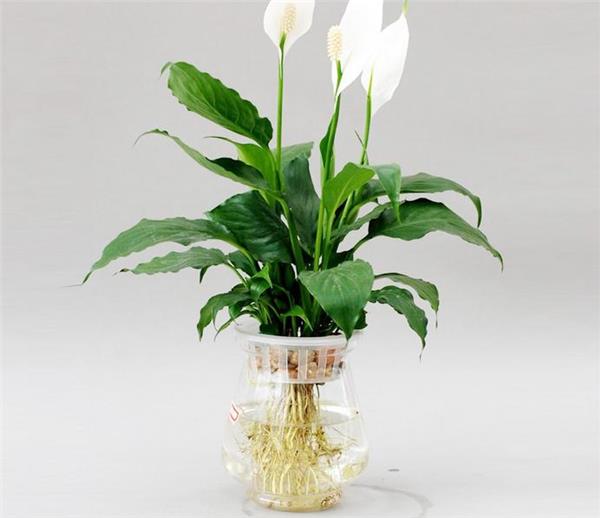
How to Grow Hydroponic Plants Well
First, you should know that the flowers we plant are grown in bottomless pots, bottles, jars and similar containers, and are fed with liquid fertilizer {nutrient solution} through hydroponics. This is an obvious characteristic, so the fertilization technique differs from other cultivation methods. In soil cultivation, the growing medium is soil, and the surface of soil particles can adsorb part of the nutrients, while excess nutrients can automatically drain away through the holes in the bottom of the pot, so it plays a buffering role on fertilizer concentration. But fertilizing hydroponic flowers is different: all the various nutrient elements in the nutrient solution we apply are completely dissolved in water, so as soon as it slightly exceeds the flowers' tolerance for fertilizer concentration, harm will occur. Because of these characteristics, strictly controlling the amount and types of fertilizer applied to hydroponic flowers is an extremely important part. Therefore, when applying nutrient solution, you should try to choose fertilizer specially made for hydroponic flowers, and use it strictly according to the instructions, to prevent fertilizer damage caused by applying too much or too high a concentration.
Second, as for the amount and timing of fertilization, the main principle is to apply little but often, and to prefer less rather than more. Also, based on how often you change the water, generally add nutrient fertilizer every time you change the water, to replenish the fertilizer lost during the water change.
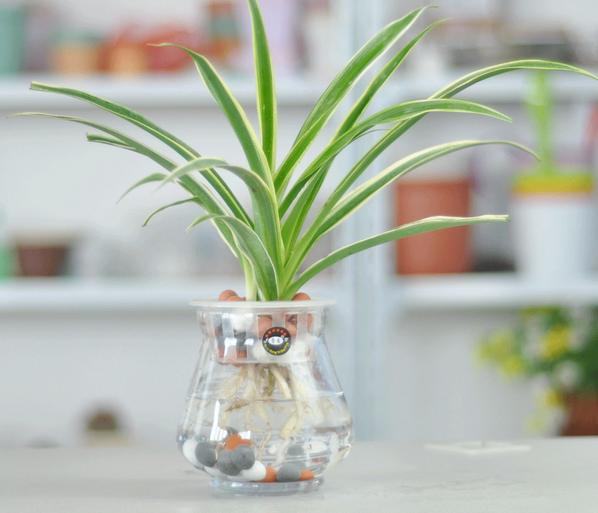
Third, hydroponic flowers should also be fertilized scientifically and reasonably according to their different situations.
[1] Reasonable fertilization. As everyone knows, the medium for hydroponic flowers is water, and the fertilizer used is completely mineral inorganic nutrition, formulated from multiple nutrient elements {major elements and trace elements}. As for the nutrients contained in water, everyone is fairly clear about that too: the major elements that flowers need, nitrogen, phosphorus and potassium, are almost absent, and the trace elements it contains are also vastly different from those in soil, far from meeting the normal needs of flowers. Therefore, timely and reasonable fertilization of hydroponic flowers is undoubtedly an extremely important management measure. So how should you grasp the fertilization characteristics, fertilization amount, fertilization timing and fertilization techniques for hydroponic flowers?
Reasonable fertilization according to different flower species: this is because different flower species have different adaptability to fertilizer. The general rule is that flower species with fine, slender roots, such as coleus (Coleus) and begonias (Begonia), have somewhat poorer fertilizer tolerance and do not need large amounts of fertilizer or high concentrations. Therefore, when fertilizing them, you should follow the principle of light, little and dilute. Many flowers such as Syngonium, red gem (Philodendron 'Red Emerald') and Philodendron are relatively fertilizer-tolerant, and you can follow the principle of applying little but often. In addition, for foliage plants, fertilization should mainly be nitrogen fertilizer, supplemented by phosphorus and potassium fertilizer, to ensure thick leaves, smooth leaf surfaces and pure leaf color. But you must note that for flower species whose leaves have colored stripes or patches, nitrogen fertilizer should be appropriately reduced, because when there is too much nitrogen fertilizer the leaf color will fade or even disappear, so phosphorus and potassium fertilizer should be appropriately increased. For flowering plants, you must make sure that during the flower bud differentiation and flower bud development stages, phosphorus and potassium fertilizer are the main focus, with appropriate supplementary nitrogen fertilizer, to avoid excessive vegetative growth that affects reproductive growth and leads to the undesirable results of small flowers, few flowers, pale flower color, or even no blooming at all.
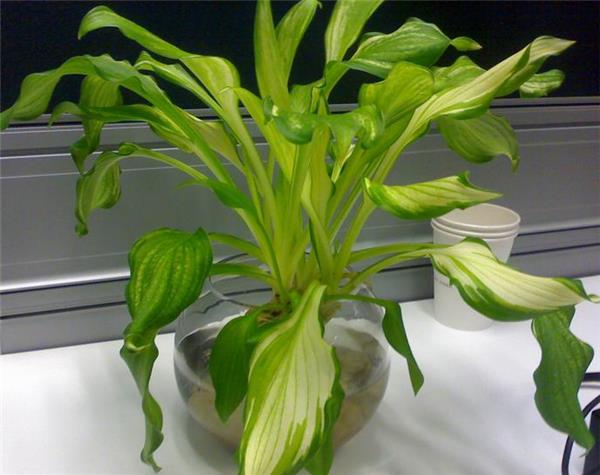
Reasonable fertilization according to season and temperature: generally, in high summer temperatures, flowers' adaptability to fertilizer concentration decreases, so at this time the fertilizer concentration should be reduced. This is especially true for flowers that fear intense heat, which enter a dormant state in the hot season; the physiological activity within the flowers is slower, and growth is in a semi-stopped or stopped state. For such flowers, fertilization should be stopped at this time to avoid fertilizer damage.
Fertilization according to the growth vigor of the flowers: as everyone knows, our indoor light conditions are relatively poor. Although most of the indoor foliage flowers we grow are shade-loving or semi-shade-loving, when light is lacking for a long period or the light is too weak, the plants will also grow rather spindly, and their adaptability to fertilizer concentration will decrease accordingly. So for plants growing poorly in poor light conditions, or growing poorly for other reasons, fertilization should be stopped or reduced, and the fertilizer concentration should be lowered as much as possible.
Several issues to note when fertilizing: First, for flowers that have just been moved to hydroponics and have not yet adapted to the water environment, yellowing leaves or a few rotten roots often appear; at this time do not rush to fertilize, but pause for about ten days, and fertilize after they have adapted to the environment or grown new water roots. Second, do not apply urea directly into the water, because urea is an artificially synthesized inorganic-organic fertilizer, and hydroponics is cultivation in a sterile or low-bacteria state. If urea is applied directly, not only will the flowers be unable to absorb nutrients, but it will also cause some harmful bacteria or microorganisms to multiply quickly and pollute the water, and produce ammonia damage to the flowers, causing poisoning. Third, if you find that over-concentrated fertilization has caused the flower roots to rot and led to the water quality deteriorating, becoming polluted and smelly, you should quickly cut away the decayed roots and promptly change the water and wash the roots.
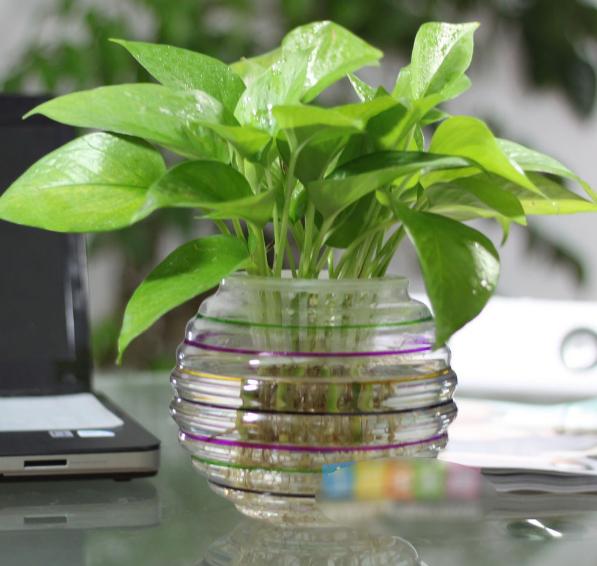
[2] Changing water and washing roots. In the management techniques for hydroponic flowers, changing water and washing roots is an important part of ensuring good growth of hydroponic flowers. So why do hydroponic flowers need water changes and root washing?
First, the conditions for plant growth are mainly water, nutrients and air. The water and nutrients in hydroponics are absolutely sufficient to meet their needs, but the oxygen content in the water will gradually decrease as the flowers grow. When it decreases to a certain level, it will affect flower growth due to lack of oxygen. Although oxygen from the air will continuously replenish the water, the amount replenished is far from enough.
Second, the nutrient fertilizer that hydroponic flowers are regularly given dissolves into the water; apart from the portion of mineral elements absorbed by the roots, the rest remains in the water, and when the residual substances reach a certain amount, they will also cause some harm to the flowers. Fourth, the roots of hydroponic flowers that grow in water for a long time will produce a kind of mucus; when there is a lot of mucus, it not only affects the roots' absorption of nutrients but also pollutes the water. Because of the above reasons, hydroponic flowers must be managed with regular water changes and root washing. So how do we grasp the technique and timing of water changes and root washing? First, change the water regularly according to different flower species and their adaptation to hydroponic conditions. Some flowers, especially aquatic or moisture-loving flowers, adapt very well to the hydroponic environment; after being planted in water, they can quickly continue to grow new roots from the original root system and grow well. For these flowers, the interval between water changes can be longer. But some flowers do not adapt well to the hydroponic environment after being planted in water; their recovery and growth are slow, and they may even develop root rot after being planted in water. For these flowers, in the initial stage of entering the hydroponic environment, the water should be changed frequently, even once every 1-2 days, until new roots sprout and normal growth resumes, after which the frequency of water changes can gradually be reduced. Second, there is a close relationship with air temperature and plant growth. The higher the temperature, the less oxygen in the water; the lower the temperature, the more oxygen in the water. On the other hand, the higher the temperature, the stronger the plant's respiration and the more oxygen it consumes; the lower the temperature, the weaker the plant's respiration and the less oxygen it consumes. Therefore, when the air temperature is high, the oxygen content decreases, and when the air temperature is low, the oxygen content in the water is higher. So in hot seasons, change the water frequently, and in cold seasons, leave a longer interval between water changes. Third, for flowers that are growing normally with strong plants, the water change interval can be longer; for flower plants growing poorly for various reasons, change the water more frequently. Based on the above aspects, for water changing and root washing requirements, the following principles can generally be followed: in hot summer, change the water once every 4-5 days; in spring and autumn, change it about once a week. In winter, the water change interval should be longer, generally once every 15-20 days. While changing the water, carefully wash away the mucus on the roots, and be sure not to break or injure the roots. If you find moss on containers, rocks, etc., remove it promptly, to improve ornamental value and help the flowers grow normally.
[3] Spraying water and washing leaves. Hydroponic flowers, especially indoor hydroponic foliage plants, mostly prefer higher air humidity. If the indoor air is too dry, it will cause leaf tips or leaf edges to scorch, thereby affecting the ornamental value of the flowers. Therefore, you should regularly spray water on the plants to raise air humidity, which helps the flowers grow normally.
Hydroponic plants are a new type of soilless cultivation for plants. Hydroponic plants, like hydroponic pothos (Epipremnum aureum) cultivation, which previously existed only in laboratories or companies, have gradually entered thousands of households. Here we introduce how to grow hydroponic plants at home and how to cultivate hydroponic pothos, offering a little modest guidance for people who dare to try or who like to DIY hydroponic pothos and other hydroponic plants.
At this time do not rush to fertilize, but pause for about ten days, and fertilize after they have adapted to the environment or grown new water roots. Second, do not apply urea directly into the water, because urea is an artificially synthesized inorganic-organic fertilizer, and hydroponics is cultivation in a sterile or low-bacteria state. If urea is applied directly, not only will the flowers be unable to absorb nutrients, but it will also cause some harmful bacteria or microorganisms to multiply quickly and pollute the water, and produce ammonia damage to the flowers, causing poisoning. Third, if you find that over-concentrated fertilization has caused the flower roots to rot and led to the water quality deteriorating, becoming polluted and smelly, you should quickly cut away the decayed roots and promptly change the water and wash the roots.
[2] Changing water and washing roots. In the management techniques for hydroponic flowers, changing water and washing roots is an important part of ensuring good growth of hydroponic flowers. So why do hydroponic flowers need water changes and root washing?
First, the conditions for plant growth are mainly water, nutrients and air. The water and nutrients in hydroponics are absolutely sufficient to meet their needs, but the oxygen content in the water will gradually decrease as the flowers grow. When it decreases to a certain level, it will affect flower growth due to lack of oxygen. Although oxygen from the air will continuously replenish the water, the amount replenished is far from enough.
Second, the nutrient fertilizer that hydroponic flowers are regularly given dissolves into the water; apart from the portion of mineral elements absorbed by the roots, the rest remains in the water, and when the residual substances reach a certain amount, they will also cause some harm to the flowers. Fourth, the roots of hydroponic flowers that grow in water for a long time will produce a kind of mucus; when there is a lot of mucus, it not only affects the roots' absorption of nutrients but also pollutes the water. Because of the above reasons, hydroponic flowers must be managed with regular water changes and root washing. So how do we grasp the technique and timing of water changes and root washing? First, change the water regularly according to different flower species and their adaptation to hydroponic conditions. Some flowers, especially aquatic or moisture-loving flowers, adapt very well to the hydroponic environment; after being planted in water, they can quickly continue to grow new roots from the original root system and grow well. For these flowers, the interval between water changes can be longer. But some flowers do not adapt well to the hydroponic environment after being planted in water; their recovery and growth are slow, and they may even develop root rot after being planted in water. For these flowers, in the initial stage of entering the hydroponic environment, the water should be changed frequently, even once every 1-2 days, until new roots sprout and normal growth resumes, after which the frequency of water changes can gradually be reduced. Second, there is a close relationship with air temperature and plant growth. The higher the temperature, the less oxygen in the water; the lower the temperature, the more oxygen in the water. On the other hand, the higher the temperature, the stronger the plant's respiration and the more oxygen it consumes; the lower the temperature, the weaker the plant's respiration and the less oxygen it consumes. Therefore, when the air temperature is high, the oxygen content decreases, and when the air temperature is low, the oxygen content in the water is higher. So in hot seasons, change the water frequently, and in cold seasons, leave a longer interval between water changes. Third, for flowers that are growing normally with strong plants, the water change interval can be longer; for flower plants growing poorly for various reasons, change the water more frequently. Based on the above aspects, for water changing and root washing requirements, the following principles can generally be followed: in hot summer, change the water once every 4-5 days; in spring and autumn, change it about once a week. In winter, the water change interval should be longer, generally once every 15-20 days. While changing the water, carefully wash away the mucus on the roots, and be sure not to break or injure the roots. If you find moss on containers, rocks, etc., remove it promptly, to improve ornamental value and help the flowers grow normally.
[3] Spraying water and washing leaves. Hydroponic flowers, especially indoor hydroponic foliage plants, mostly prefer higher air humidity. If the indoor air is too dry, it will cause leaf tips or leaf edges to scorch, thereby affecting the ornamental value of the flowers. Therefore, you should regularly spray water on the plants to raise air humidity, which helps the flowers grow normally.
Hydroponic plants are a new type of soilless cultivation for plants. Hydroponic plants, like hydroponic pothos (Epipremnum aureum) cultivation, which previously existed only in laboratories or companies, have gradually entered thousands of households. Here we introduce how to grow hydroponic plants at home and how to cultivate hydroponic pothos, offering a little modest guidance for people who dare to try or who like to DIY hydroponic pothos and other hydroponic plants.