How to Grow a Goldfish Plant? A Detailed Guide to Cultivation Methods
The goldfish plant (Nematanthus gregarius) is a plant that very likely will not bloom if not grown well, so how should a goldfish plant be cultivated correctly?
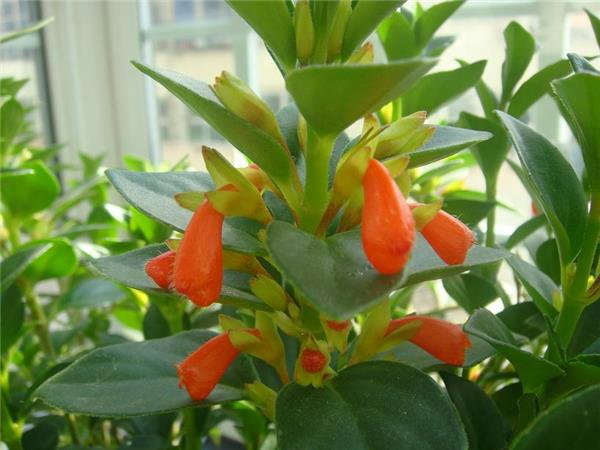
How to Cultivate a Goldfish Plant
Propagation: There are methods of cuttings, division, and sowing; the first is generally used. In spring and autumn, take a top shoot or stem cutting about 10cm long (with 3-4 leaves) from one-year-old growth, insert it into a bed with coarse sand as the substrate, keep the temperature at 20°C and the humidity high, and roots will form after about 3-4 weeks. After two months, pinch out the growing tip and plant into a pot.
Soil: When cultivated in a greenhouse, the goldfish plant is usually grown in a multi-holed flowerpot with substrates such as sphagnum moss, fern roots, and bark chunks, to facilitate good root drainage and aeration. Indoors at home, to prevent water leakage when watering, use a round, attractive pot, lay coarse gravel with good drainage at the bottom of the pot, and add a small amount of a mix of leaf mold and perlite as the growing medium.
Light: Apart from winter, when the goldfish plant needs fairly ample sunlight, in the other seasons it needs more shade. In spring, summer, and autumn, 60%-70% of sunlight should be blocked, and the plant should be placed in a cool, ventilated environment where it receives plenty of scattered light. This kind of environment is very suitable for the growth of the goldfish plant. Before the goldfish plant blooms in winter, light should be appropriately increased, so that the flowers will be abundant and brightly colored. When grown at home, it can be placed in a bright, ventilated room for care.
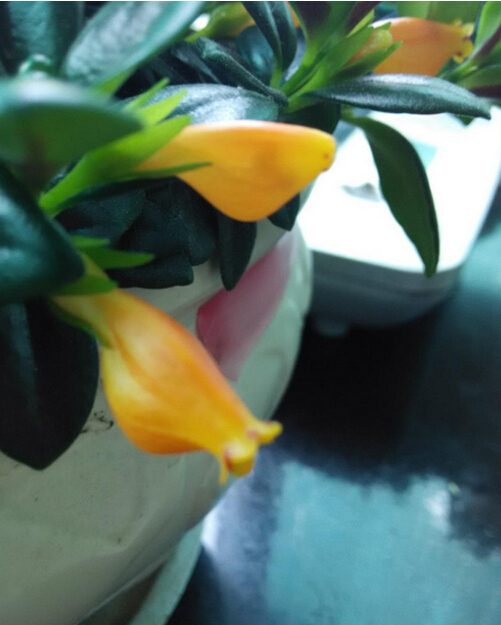
Temperature: The suitable growing temperature for the goldfish plant is 18-22°C, and it is averse to low temperatures. If the temperature stays below 10°C for two consecutive days, the leaves will turn yellow and dry out, and even a very slight vibration will cause leaf drop. In high summer temperatures, the goldfish plant grows slowly or stops growing. At this time, appropriate shading measures should be taken to keep it growing vigorously and prevent leaf drop.
Fertilizing: Do not fertilize the goldfish plant while it is blooming; after the flowers fade, it should be pruned and reshaped, and more nitrogen-containing fertilizer should be applied. During the growing season, a dilute organic fertilizer solution needs to be applied once every 1-2 weeks, which can make it grow vigorously. Before flowering, additional phosphorus fertilizer should be applied, which can help it form more buds and bloom more, enhancing the ornamental effect.
Watering: The goldfish plant is a tropical plant and has relatively high water requirements. In spring, summer, and autumn, water it more, and frequently spray the surrounding ground with clean water; never sprinkle water on the leaves. In high summer temperatures, it is best to place the flowerpot in a shallow tray filled with water. These measures can all prevent leaf drop caused by dry air. Before the goldfish plant blooms in winter and spring, it should also be watered appropriately more, so that the flowers open fully and the flower color is bright.
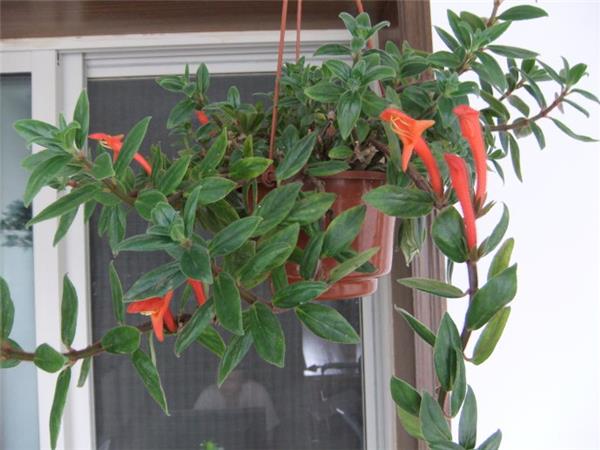
When Does the Goldfish Plant Bloom
The flowering period of the goldfish plant is usually in spring and summer, and the blooming time is long. Before it blooms in winter, it is best to provide appropriate sunlight exposure, and it can be placed on a balcony or by a window, which can make the flowers bloom more brightly and abundantly. Its seedlings do not bloom in the first year; only after two or three years can the orange-red flowers be seen opening in the leaf axils at the tips of the trailing branches.
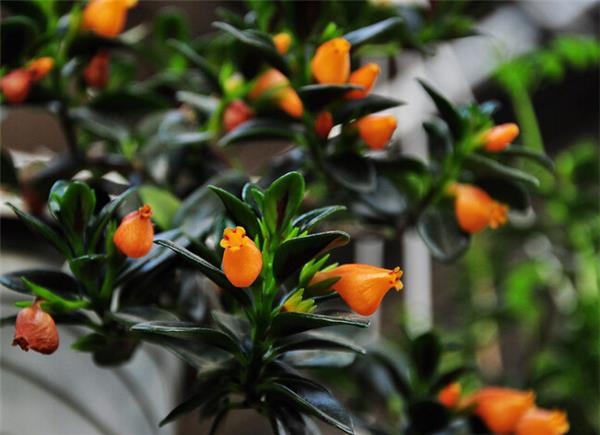
When the flowers of the goldfish plant are in full bloom, the orange-red flowers are especially attractive. Blossom after blossom hangs on the branches, paired with the green leaves, as if little goldfish were playing among the water plants, bringing vigorous vitality and cheerfulness to the home.