Reasons Why the Goldfish Plant Only Grows Leaves and Does Not Bloom
From a distance, the goldfish plant looks as if goldfish are leisurely swimming among green water weeds; it is full of interest and charm and can add a lovely touch of green to the home. But how should it be cared for?
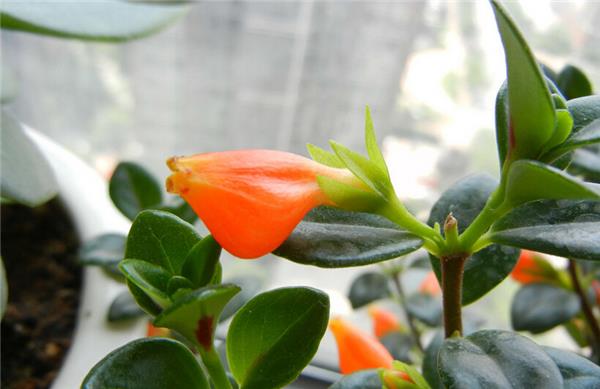
How to Grow the Goldfish Plant
Soil: use a potting mix of leaf mold, manure and sand blended in a 3:1:1 ratio, with a pH of 6 to 6.5. Repot once every other year.
Temperature: the suitable temperature for the growth of the goldfish plant is 18-22°C, and it dislikes low temperatures. Once the growing temperature of the goldfish plant drops below 10°C, the leaves will begin to turn yellow; in summer, when temperatures are high, the goldfish plant grows very slowly, and above 30°C it may even drop its leaves.
Pruning: after flowering, all weak branches, terminal shoots and overly long trailing branches should be pruned; when winter sets in, cut the withered flower stems off at the base and keep the plant dry, which helps new flowering branches sprout and grow the following spring.
Propagation: the goldfish plant can be propagated by sowing, cuttings or division, but because its seeds are not easy to obtain, the cutting method is generally used. Cuttings of the goldfish plant are best taken in the autumn season; select branches about 10 cm long and insert them into a river-sand bed, maintaining a certain humidity and temperature. After about one month they will take root, and after rooting, care should be strengthened even more; after about 2 months they can be potted up.
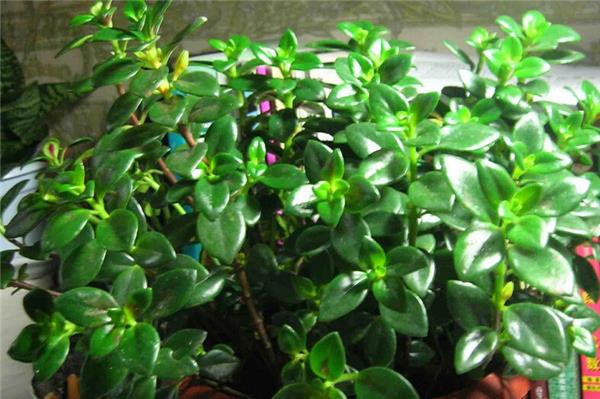
When Does the Goldfish Plant Bloom?
The flowering period of the goldfish plant is in spring and summer, and the flowering period is fairly long. Whenever it blooms, the orange-red appearance of the goldfish plant is extremely endearing, very much like many little goldfish hanging from the tips of the branches.
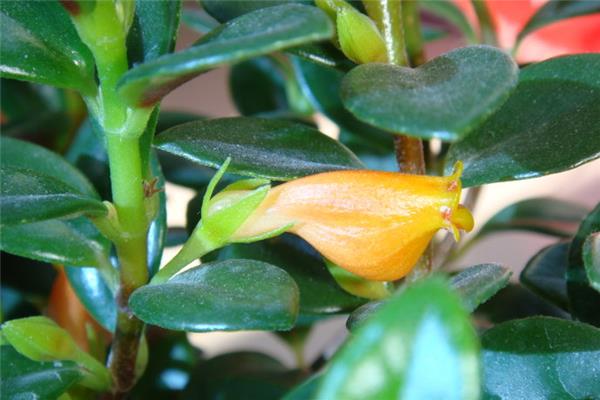
What to Do If the Goldfish Plant Does Not Bloom
Soil: potted goldfish plants require a substrate rich in humus, loose and well draining; a common mix is equal parts peat soil, perlite and vermiculite, and the soil should be kept slightly acidic to favour growth. During the growing period, apply a liquid fertiliser once every 1-2 weeks, and during the peak growth and flowering period, increase the application of phosphorus and potassium fertilisers.
Water: in winter there is a brief dormant period, during which watering can be reduced and the potting soil kept appropriately dry; in winter (that is, the flowering period), watering can be increased appropriately; during the growing period there must be sufficient moisture, the potting soil must be kept constantly moist, and efforts should be made to raise the air humidity. When it is hot and humid, the stems and branches are prone to soft rot and death. If this happens, promptly cut away the soft rotted parts. The goldfish plant should be watered more in spring, autumn and summer, as this helps it flower better.
Light: the goldfish plant prefers a bright, indirect-light environment, so when the light is too strong in summer it must be shaded (50% shading); to promote the formation of flower buds, give it sunlight in autumn and keep the potting soil slightly dry; during winter dormancy it is best placed in a dry, cool environment to encourage flower bud differentiation; before flowering in winter, light can be increased appropriately, and indoors it must be moved to the brightest window to ensure vigorous growth and flowering.
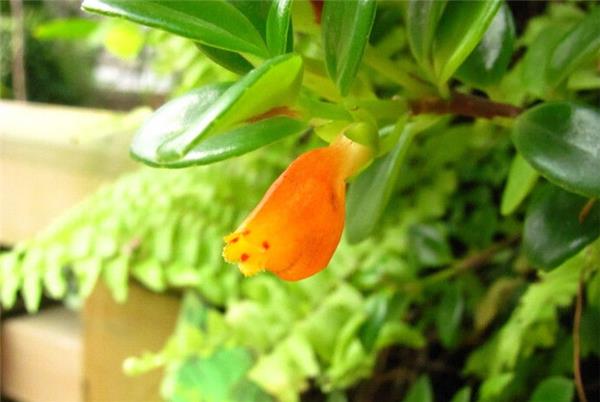
The goldfish plant is a perennial herbaceous plant of the genus Nematanthus in the family Gesneriaceae, with a semi-woody base, and it is relatively easy to grow. Moreover, its flower shape is very unique and lovely; if grown at home, it can effectively add vitality to the room and improve the feng shui of the home.