How to plant ash tree seeds? A detailed guide to ash tree sowing techniques
Ash tree is a tree species that can be propagated both by cuttings and by sowing, though the germination rate from sowing is somewhat lower, so before carrying out sowing and planting work we must first treat the seeds. Let's take a look below.
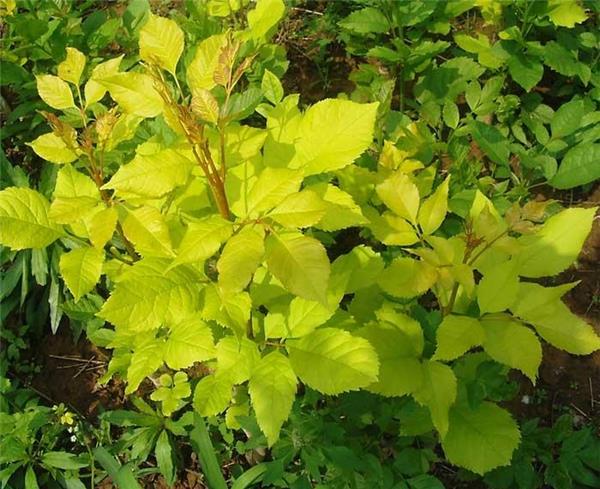
Ash tree seed treatment techniques
Seed collection: Ash trees flower from April to May and the seeds mature from September to October. Choose healthy, vigorous, pest-free superior plants and pick the seeds when the samaras turn from green to yellowish-brown and the seed kernel becomes hard. The seeds do not fall after maturing, so you can cut off the fruiting branches, dry them in the sun, remove the wings, remove debris, put the seeds into a container and store them indoors in a disinfected, low-temperature, dry, ventilated room.
Low-temperature stratification to promote germination: Choose a spot with higher terrain, good drainage, and shelter from wind and shade, and dig a trench. In principle the depth of the trench should be below the frozen soil layer and above the groundwater level; the trench width is 80 cm, and the length of the trench depends on the quantity of seeds. The ratio of ash seeds to wet sand is 1:2-3. First spread a 10 cm thick layer of wet sand on the bottom of the trench, then mix the seeds and wet sand thoroughly and evenly, place them into the trench, with the seed-sand thickness at 50-70 cm, add a cover of wet sand 10 cm from the ground, then cover with soil so that the top forms a ridge shape. Place a bundle of sorghum stalks every 0.7-1 m to facilitate ventilation; the general treatment time is 60-80 d.
High-temperature germination promotion: For seeds that did not undergo low-temperature stratification in winter, soak the seeds in 40°C warm water, let them cool naturally and then soak for another 2-3 d, changing the water once a day, then remove the seeds and mix them with 3 times their volume of wet sand and place them on a heated kang to promote germination. The temperature should be kept at 20-25°C, turn them daily and keep them moist; after about 20 d, when the seeds with exposed radicles and cracked seed coats together reach 30% of the total number of seeds, they can be sown.
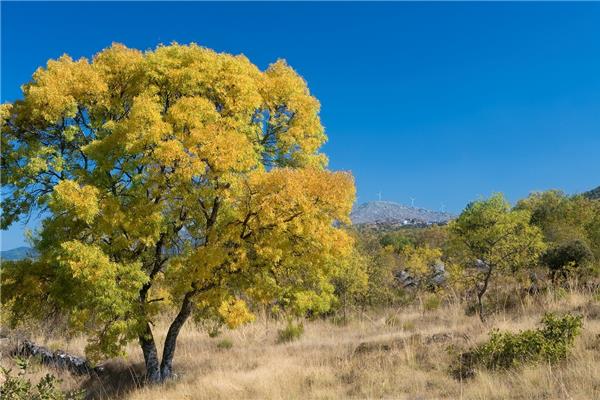
Ash tree seed sowing techniques
Soil: Choose a plot with rich soil nutrients, high organic matter content, loose structure, good aeration, and a pH value of 7.5-8.0, with a salt-alkali content of less than 0.1%. The seedling-raising land should be flat, with good drainage and irrigation conditions and few weeds in the field. Heavy sandy loam and heavy clay land should be improved; light sandy loam gives good seedling-raising results.
Sowing: Spring sowing should be early, generally from late February to early March. Sow in furrows in rows, using 3-4 kg of seed per 667 sq m, with a depth of 4 cm; the depth should be uniform, and you should open the furrow, sow, and cover with soil as you go, with a soil cover thickness of 2-3 cm. To make the soil and seeds closely contact, press down after covering with soil.
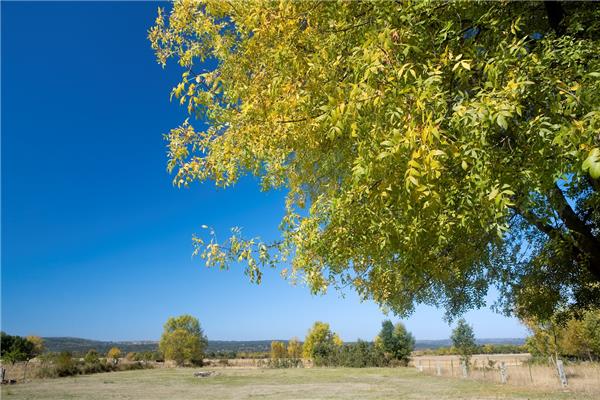
Ash tree seedling care
Irrigation: During the growth of the seedlings, strengthening the tending and management of the seedlings is the key to cultivating strong seedlings. According to the different growth stages of fast-growing ash, reasonably determine the irrigation time and amount. During the seed germination stage, the bed surface should be kept moist frequently, and irrigation should be done in small amounts and many times; after the seedlings emerge completely and the cotyledons fully unfold and enter the vigorous growth period, the irrigation amount should be larger and the frequency less, irrigating once every 2-3 d, and each time watering thoroughly and sufficiently. Irrigation is best done in the morning and evening. Drain promptly during rainy autumn periods.
Fertilization: Seedling fertilization should be mainly based on base fertilizer, but its nutrients may not necessarily meet the needs of seedling growth. To make the seedlings grow fast and sturdy, chemical fertilizer should be applied as a supplement during the vigorous growth period of the seedlings.
Weeding: Following the principle of "weed early, weed small, weed completely," pull out weeds promptly. Weeding is best done after rain or after irrigation. When fast-growing ash enters the peak growth period, loosening the soil should be carried out; it should be shallow at first and slightly deeper later, as long as it does not damage the seedling root system. During the hardening period of ash, to promote lignification of the seedlings, soil loosening and weeding should be stopped.
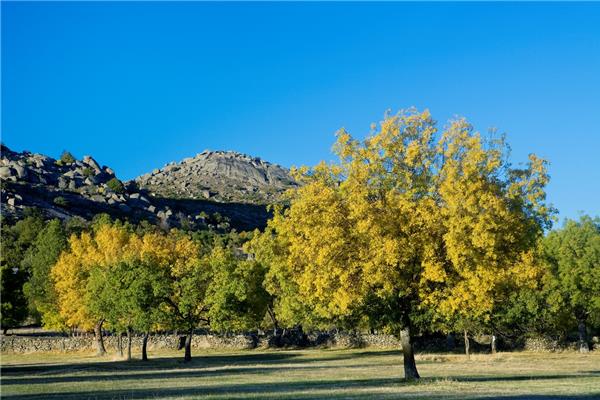
Finally, note also that in pest and disease control work for ash seedlings, you should start from winter plowing, soil disinfection, careful selection of good seeds, seed disinfection, rational fertilization, timely early sowing, and management, so as to prevent the occurrence of pests and diseases.