How to grow pothos and spider plants? Growing methods and care essentials
Pothos and spider plants are often used as indoor decorations. To keep our pothos and spider plants alive longer, rather than becoming plant killers, it is very necessary to understand how to grow pothos and spider plants.
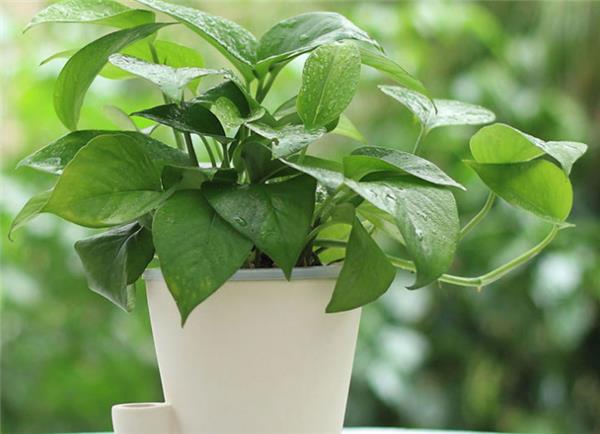
I. Growing methods for pothos and spider plants
1. Temperature
Pothos and spider plants like a hot and humid environment. Pothos can safely overwinter above 10°C, and generally grows normally above 20°C. Therefore, when growing pothos and spider plants in winter, pay attention to keeping them warm, open windows as little as possible, and avoid frost damage to the pothos leaves. In addition, avoid large temperature differences and do not place pothos near a heat source.
2. Light
Pothos and spider plants like shade and cannot be exposed to the sun for long periods, otherwise the leaf edges will be scorched. However, note that you should not place pothos in a completely shaded environment; provide pothos and spider plants with enough light for photosynthesis.
3. Water
Watering spider plants should keep the soil moist; never let the potting soil dry out, otherwise it will easily cause yellowing of pothos leaves and a poor plant shape. But water in moderation; too much water will cause waterlogging in the potting soil, leading to root rot, withered leaves and similar problems. In winter at low temperatures, watering can be controlled, and during the growing season water appropriately more. Also note to spray water on the leaf surface to wash away dust on the leaves, which helps keep the leaves bright and green.
4. Fertilizer
To fertilize pothos leaves, use a dedicated fertilizer. In autumn and winter, pothos mostly grows slowly, so reduce fertilizing. Before winter begins, mainly apply liquid inorganic fertilizer by watering or spraying, about once every 15 days. After winter begins, fertilizing is mainly done by foliar spraying.
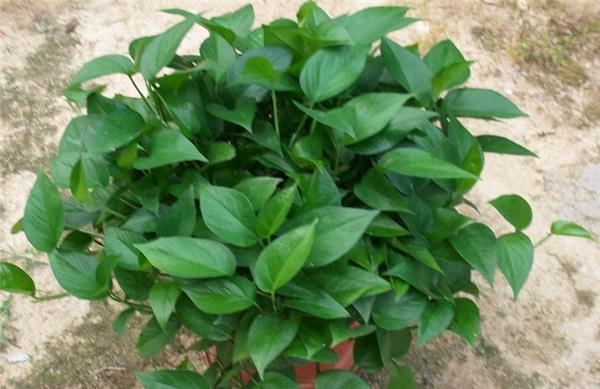
5. Soil choice for potted pothos:
For potted pothos, choose fertile, loose, well-draining, slightly acidic leaf mold soil.
6. Pest and disease control:
Treat pests and diseases promptly when found; in addition, frequently wiping the leaves can play a certain role in preventing pests and diseases.
II. Key care points for spider plants
(1) Spider plants generally need repotting once every 2-3 years. Commonly, peat soil (leaf mold or garden soil) is mixed with river sand in equal amounts, plus a little base fertilizer, to make the growing medium.
(2) Watering spider plants. From March to September, the water requirement is somewhat greater, so frequent watering or misting is needed, then gradually reduce the amount of watering.
(3) Fertilizing spider plants. Mainly apply nitrogen fertilizer, but for variegated spider plants with golden edges and golden centers, use less nitrogen fertilizer. During the peak growing season, apply dilute liquid fertilizer twice a month.
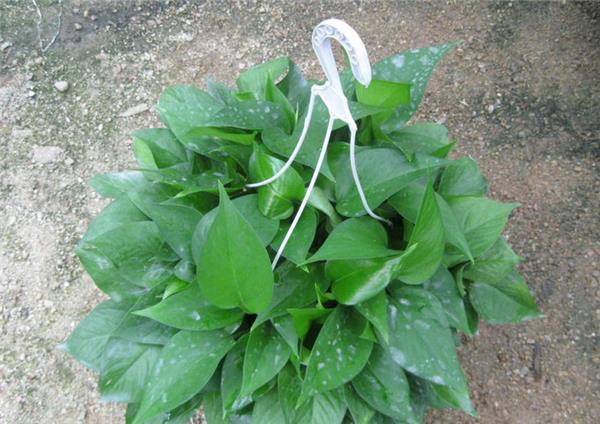
(4) Spider plants should be placed in a ventilated, cool place, and the growing environment should have a certain humidity. If ventilation is poor, and the potting soil is too waterlogged, spider plants will suffer root rot, and the possibility of root rot disease also increases.
III. Spider plant propagation methods
You can use division propagation, propagation from small plantlets on runners, and seed sowing propagation; the first two are more commonly used. The division propagation method can be used in all seasons except winter. When repotting in spring, divide 2-3 year old plants into two pots or more, and replace the old growing medium at the same time. Runner propagation is done by cutting off the small plantlets on the runners during the growing season, growing them in water or soil, and transferring them to a pot after roots grow.
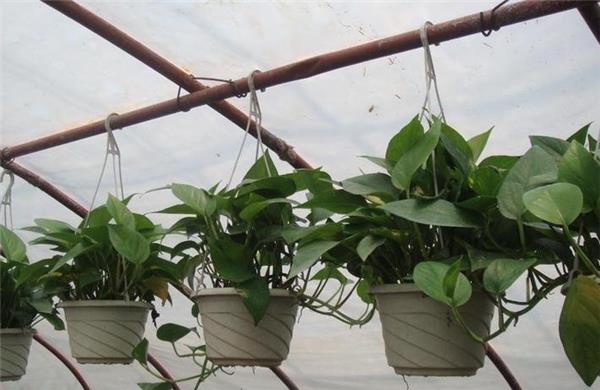
The above gives an understanding of the growing methods for pothos and spider plants. We have gained some accumulated knowledge about pothos and spider plants, so when growing them we will no longer neglect them, and will grow pothos and spider plants more beautifully.