A Detailed Guide to Growing and Caring for Alocasia (Elephant Ear)
Growing Alocasia is something that demands commitment, much like raising a child, you need to pay attention to it at all times. So what are the methods for growing Alocasia, and what precautions do we need to know about?
I. How to Grow Alocasia
1. Soil
Although Alocasia is not very demanding when it comes to soil, I have tried ordinary garden soil, nutrient soil, and pure sand, and found that Alocasia grown in garden soil grows rather slowly, is thin and weak, and looks malnourished; Alocasia grown in pure sand does well during the seedling stage, but the results are poor later on, with the plant staying relatively short; Alocasia grown in nutrient soil has sturdy plants, large leaves, and grows very quickly. It took me about 6 months to take my Alocasia from the seedling stage to over one meter tall.
2. Choosing a Flower Pot
This varies from household to household. Some flower enthusiasts like to grow Alocasia in small pots, while others prefer large ones. It should be mentioned here that if you want to grow a small potted plant, then a small pot is no problem for Alocasia, and because the roots are restricted, the Alocasia will not grow very large. But if you want your Alocasia to grow very big and place it in the living room as a large green display, then you must choose a larger pot. Based on experience, the bigger the pot, the sturdier and better the Alocasia grows.
3. Light and Watering
Alocasia likes a semi-shaded environment, though some flower enthusiasts have Alocasia growing very well directly in the yard. Here I should explain to flower enthusiasts why it is said that other people's flowers can grow well in a certain environment while your own cannot. Plants themselves have a process of adapting to the external environment. Although Alocasia likes a semi-shaded environment, in order to survive, it will also adapt to other environments, but this requires a process. That is why some flower enthusiasts say their flowers just will not die no matter how they are grown, and that is because the plant has already adapted to the environment.
So how should you water Alocasia? For those grown in small pots, water when the potting soil is dry, and make sure the water can drain out from the bottom of the pot. For large, deep pots, when the surface of the potting soil is dry, you can dig into the surface soil and check the color (no need to explain how to tell dry soil from wet soil). If the soil below is moist or damp, then there is no need to water. Generally speaking, with that kind of deep pot, one watering can last half a month or even a month without needing to water again.
4. Pests and Diseases
The most common pests and diseases on Alocasia are red spider mites and aphids. The symptoms are yellowing leaves, white spots on the surface, a thin and weak plant, and webbing on the leaves. For treatment, you can use a cloth with mild soapy water to wipe the leaves clean, cleaning both the underside and the top, then rinse with clean water. For large pots, you can use a spray to clean them, once every two or three days, persisting for a week, and the results will be quite noticeable.
II. Precautions for Growing Alocasia
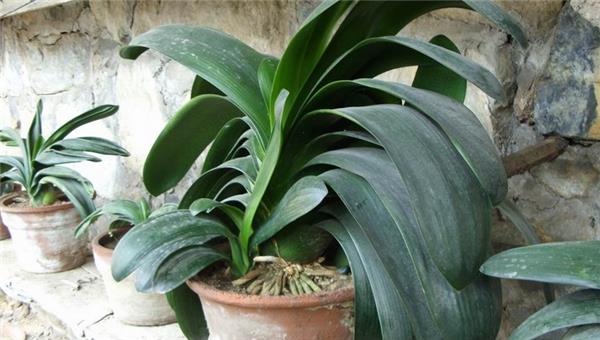
The white sap inside the stems of Alocasia and the water it drips are toxic. Accidental ingestion or contact can cause symptoms such as nausea and pain, and in severe cases can lead to heart paralysis and death. Therefore, during the process of growing Alocasia, try not to touch it, and households with children in particular should avoid growing Alocasia.
III. Caring for Alocasia
1. Light Management: For hydroponically grown Alocasia, the light should mainly be indirect light, and it does not necessarily need to be exposed to the sun. In summer, direct sunlight should be avoided as much as possible, but it should not be placed in too shady a spot either. If Alocasia is kept in a dark place for a long time, the leaves will grow larger but thinner, and the leaf stalks will also become longer and more brittle, making them easy to break. Therefore, Alocasia should be placed in a bright indoor spot, such as by a window, requiring at least 3 to 5 hours of light per day. Bright light is fine, but it must not be exposed to harsh sun.
2. Temperature Requirements: Alocasia can only grow well in an environment not lower than 18°C. If the temperature drops below 18°C, Alocasia will enter a dormant state and stop growing. Alocasia is not very cold-resistant, and should be moved into a greenhouse in mid-October. In summer, it needs to be kept in the shade with frequent misting to cool down and maintain moisture.
3. Spraying Foliar Fertilizer: To prevent the leaves from drying out and withering, in daily care you should spray the leaves with clean water to keep them moist. It is best to spray foliar fertilizer once a week, which not only provides nutrients to the leaves and increases their gloss, but also helps them resist low temperatures in winter.
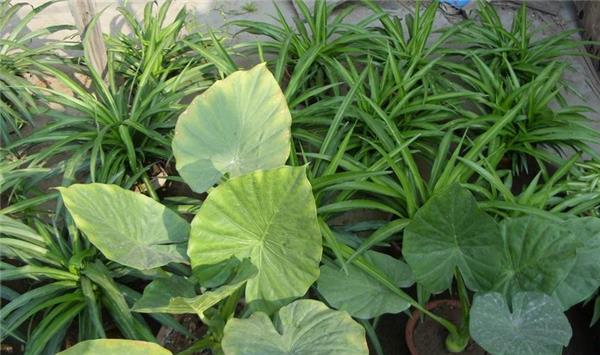
The above is an in-depth discussion of how to grow Alocasia. Even if you are a beginner at growing Alocasia, there is no need to panic. By carefully caring for your Alocasia according to these experiences, I believe your Alocasia will thrive.
The above is an in-depth discussion of how to grow Alocasia. Even if you are a beginner at growing Alocasia, there is no need to panic. By carefully caring for your Alocasia according to these experiences, I believe your Alocasia will thrive.