How to Grow Alocasia macrorrhizos? A Complete Guide to Its Care Methods
Alocasia macrorrhizos, a plant with a poetic name, also has a rather eye-catching appearance. It plays its advantageous role in the home environment, adding a lot of pleasure to our home life. So, how should Alocasia macrorrhizos be grown?
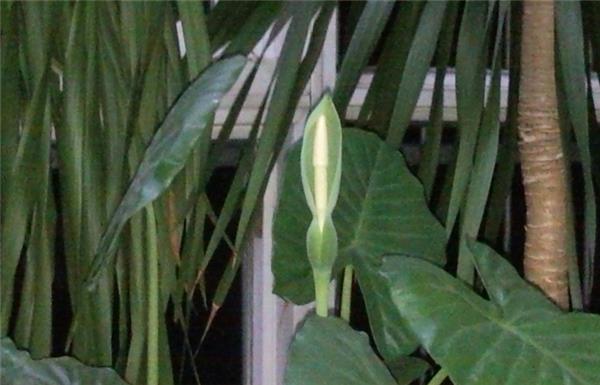
I. How to Grow Alocasia macrorrhizos
1. Temperature. Alocasia macrorrhizos is a plant that likes to grow at temperatures of 20-30°C. The lowest temperature it can withstand is mainly 8°C. Alocasia macrorrhizos is a plant that likes moist soil. If the soil is moist, it can give full play to its magical function, which is water dripping, and the water it drips can effectively block sunlight, allowing it to grow normally, and its winter temperature must not be lower than 5°C. Alocasia macrorrhizos is an understory plant of tropical rainforests, so its growth requires high humidity, and diffused light is best.
2. Soil. The soil requirements of Alocasia macrorrhizos are fertility and moisture, because moist soil allows Alocasia macrorrhizos to grow well, and fertile soil can also effectively promote the growth of Alocasia macrorrhizos. Therefore, when growing Alocasia macrorrhizos, regular fertilisation is also a very necessary step.
Light
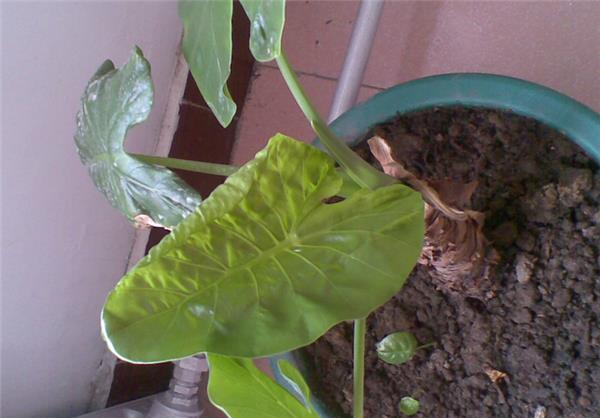
Alocasia macrorrhizos likes shade and must not be exposed to direct sunlight, but during the flowering period it needs plenty of sunlight, otherwise the spathe will carry a green colour, affecting quality. It must be ensured 3-5 hours of light per day, otherwise the leaf stalks will elongate and affect its ornamental value. When Alocasia macrorrhizos becomes "wilted", it is mainly due to insufficient fertilisation, so attention should be paid to topdressing.
II. Precautions for Growing Alocasia macrorrhizos
Alocasia macrorrhizos is a plant that likes warm, humid and slightly shaded environments, but during its flowering period it requires sufficient sunlight, otherwise its spathe will carry a green colour, thereby affecting its quality. For Alocasia macrorrhizos, it must be ensured 3-5 hours of light per day, otherwise its leaf stalks will elongate and affect its ornamental value. The cold tolerance of Alocasia macrorrhizos is not strong, and in mid-October each year it should be moved into a greenhouse. In summer, it needs to be kept in shade and frequently sprayed with water to lower the temperature and preserve moisture. Alocasia macrorrhizos is naturally fond of moist, fertile soil, which is what farming families often call "heavy fertiliser and heavy water", so during its growth period it should be watered little and often.
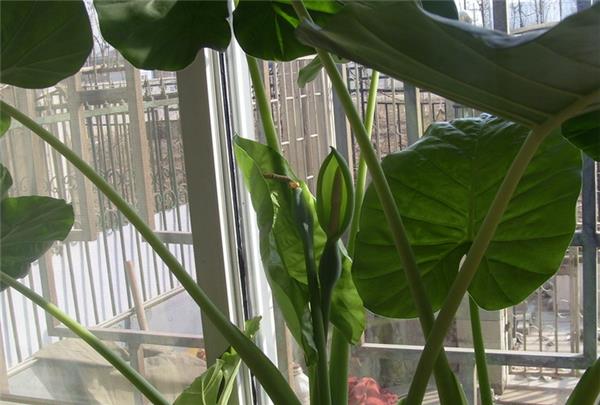
Alocasia macrorrhizos is currently a very common home-grown green potted plant. Because it is a tropical plant, it generally does not flower in the north. However, if the temperature and humidity at home and other conditions are suitable, it may also flower. Although Alocasia macrorrhizos does not have high soil requirements, the most ideal growing method is to plant it in well-drained, organic matter-containing sandy loam or humus loam.
III. The Role of Alocasia macrorrhizos
Ornamental Role
Alocasia macrorrhizos can pair very well with the strongly cultural East Asian style and the luxurious, grand American resort style. Therefore, placing Alocasia macrorrhizos in a room not only symbolises the vitality of marriage, but also produces fresh oxygen, which is greatly beneficial to health.
Purification Role
The green leaves of Alocasia macrorrhizos can absorb carbon dioxide from the air and release oxygen at the same time. Alocasia macrorrhizos has the effect of removing dust from the air. However, note that the white sap in the stem of Alocasia macrorrhizos is toxic, and the water it drips is also toxic. Accidental contact with or ingestion of its sap will cause discomfort in the throat and mouth, and a burning sensation in the stomach. Special care should be taken to prevent young children from accidentally ingesting it.
Medicinal Value
Alocasia macrorrhizos has the functions of clearing heat and detoxifying; promoting qi circulation and relieving pain; and dissipating nodules and reducing swelling. Alocasia macrorrhizos can also treat malarial fevers, acute vomiting and diarrhoea, red and white vaginal discharge, carbuncles and swellings, atrophic rhinitis, intestinal typhoid, rheumatic pain, hernia, scrofula, boils, scabies, and snake and dog bites, etc.
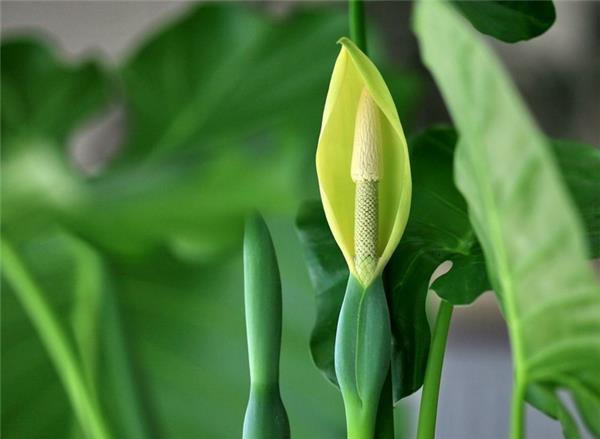
The above is a detailed and careful look at Alocasia macrorrhizos. We hope it serves as a good reference for growing your Alocasia macrorrhizos. You can also exchange ideas more with fellow Alocasia macrorrhizos growers and do more homework for the growth of your own Alocasia macrorrhizos.