African Impatiens Cultivation Methods and Picture Appreciation
Since ancient times, people's yearning for nature has always been very strong. Today, even when people live in densely populated big cities, their yearning for nature has not diminished in the slightest. On the contrary, as the area of urban greenery decreases, this longing grows stronger and stronger. To satisfy this longing, people grow some green plants in their homes and offices, and the African impatiens is one of these plants. As a common herbaceous flower, the African impatiens has brightly colored flowers and a simple yet delicate flower shape. Its colors number more than 40 kinds in total, making it very beautiful and deeply loved by people. Many people want to cultivate some, but have been unable to act because they do not understand its cultivation methods. So below let us take a look at the cultivation methods of the African impatiens.
Introduction to the African Impatiens
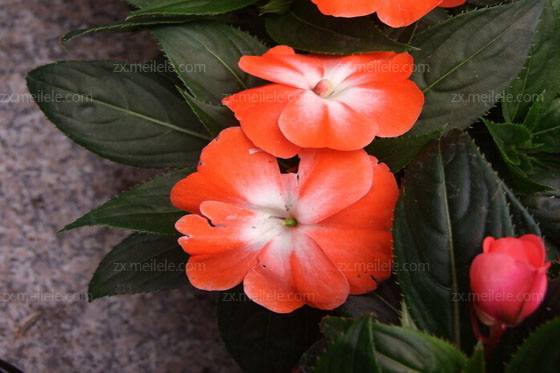
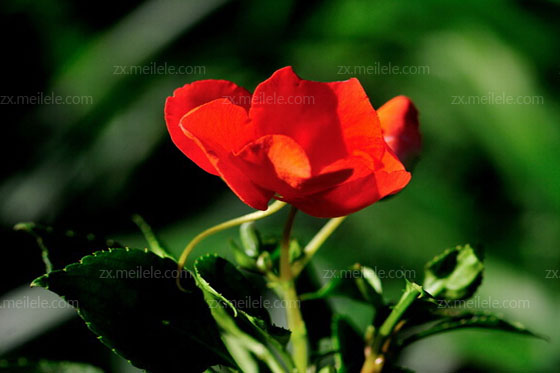
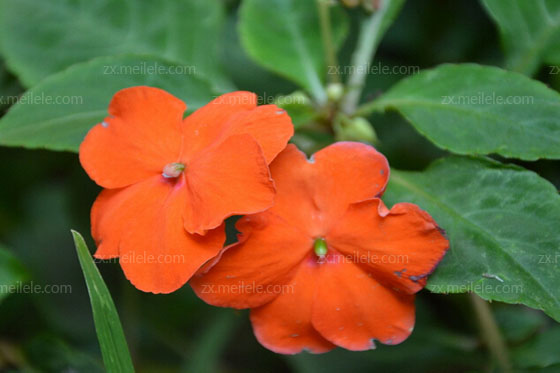
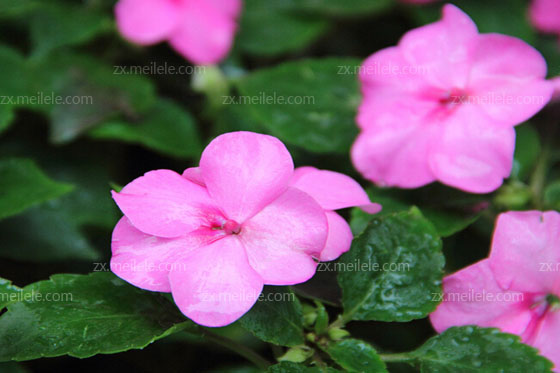
The African impatiens is also called Waller's impatiens. It is a plant of the genus Impatiens in the family Balsaminaceae, order Sapindales, and at the same time it has consistently ranked as the number one herbaceous flower in herbaceous flower applications in Europe and America. The African impatiens blooms from June to August each year. Its flower shape resembles a butterfly, and its flower colors are extremely varied, with more than 40 kinds in total, mainly pink, purple, bright red, white-yellow and sun-gold, among others, and it is very prone to variation. When blooming, some impatiens plants can produce flowers of several colors on the same plant. Generally, impatiens are single-petaled, but there are also double-petaled impatiens, which are also called pompom impatiens. After the flowering period, the impatiens will form capsules containing many seeds. When the seeds mature, the capsules burst open on their own and eject the seeds, carrying out self-sowing reproduction.
Cultivation Methods for the African Impatiens
At present, the cultivation of the African impatiens is mainly potted soil cultivation, which is what people often call potted impatiens. To cultivate the African impatiens, you must first choose a good time, generally in spring during March to April. Impatiens likes a semi-shaded and moist environment, so it is generally planted in courtyard flowerbeds or in prepared clay pots. Pay attention to the soil issue when cultivating impatiens; it is best to choose loose and fertile sandy loam. If you do not have such sandy loam, you can mix 1/2 peat soil or leaf mold with 1/2 sandy loam and add some decomposed cake fertilizer powder or commercially available chicken manure. After the impatiens are planted, you must pay attention to ordinary cultivation and management.
The African impatiens likes light but prefers to grow in a semi-shaded environment, so the time it is exposed to sunlight each day should not be too long, nor too short; generally more than 4 hours is enough. But note that when cultivating impatiens in summer, you must avoid direct strong sunlight, otherwise the impatiens will quickly be scorched to death. In addition, pay attention to controlling the growth temperature of the impatiens; between 16 and 26°C is best. During the growth period, water the impatiens promptly and generously, and be careful to keep the pot soil moist. In addition, to control the flowering period and flower shape of the impatiens, pinching can be used to establish the plant.
Conclusion: Although cultivating the African impatiens is not difficult, there are still quite a few issues to pay attention to during the process. When cultivating them, everyone must resolve these matters well, so that the impatiens can also grow well. The above is the relevant introduction to the cultivation methods of the African impatiens. We hope it is helpful to everyone.
[You May Be Interested In]
☑ How to grow sago palm ☑ Blue rose flower language ☑ Cactus blooming ☑ Sunflower flower language ☑ Kalanchoe cuttings
☑ Cross-stitch wallet ☑ Hand-painted decorative painting ☑ How to grow anthurium ☑ Iris pictures ☑ Effects of pothos