What are the flower language and cultivation methods of the Malus spectabilis?
Many friends nowadays enjoy growing flowers, and the Malus spectabilis is one of them. The Malus spectabilis is very beautiful and looks very elegant and graceful. So next, let's take a look together with the editor at the cultivation methods of the Malus spectabilis, as well as the flower language of the Malus spectabilis. We hope you will like it.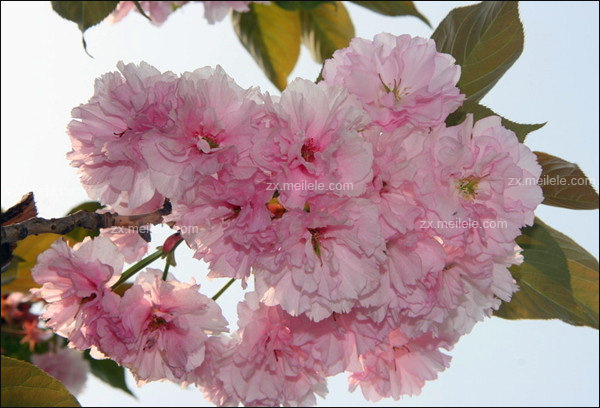
Malus spectabilis flower language
The meanings represented by the Malus spectabilis: a traveler's homesickness, the sorrow of parting, gentleness, beauty, happiness
At the same time, the begonia also symbolizes bitter love. When people's love encounters setbacks, they often use the begonia flower as a metaphor for themselves. The ancients called it the heartbreak flower, using the flower to express the sorrowful emotions of men and women parting. Thus the flower language carries the meaning of "bitter love."
Cultivation methods of the Malus spectabilis
I. Growing temperature
Although the Malus spectabilis is extremely cold-hardy and can withstand relatively cold climates, there is still a limit. Generally speaking, the Malus spectabilis can grow well at minus 15 degrees and can be placed outdoors without any problem. However, in particularly cold environments, for example when the temperature is already minus thirty or forty degrees, protective measures must be taken at this time.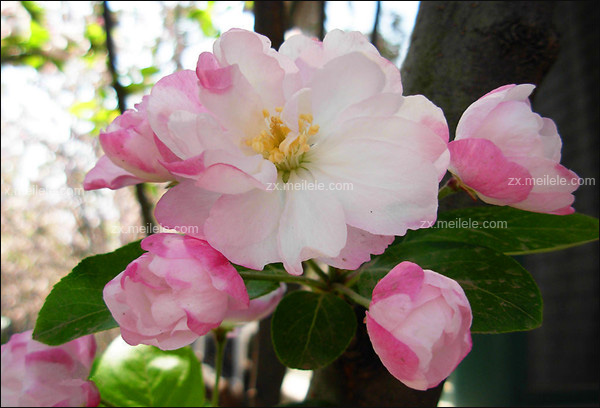
II. Sunlight
The growth of any plant cannot be separated from sunlight, and the Malus spectabilis is the same. The Malus spectabilis likes sunlight and is suitable for growing in an environment with sufficient sunlight. If it is placed in a shady place for a long time, its growth will be poor, so it is essential to maintain sufficient sunlight.
III. Watering
The growth of plants cannot be separated from water. The Malus spectabilis is relatively cold-hardy, but it needs water, and necessary watering is what keeps it growing healthily. Of course, do not water too much, and make sure the soil does not become waterlogged, otherwise excessive moisture will cause root rot and the leaves will turn yellow.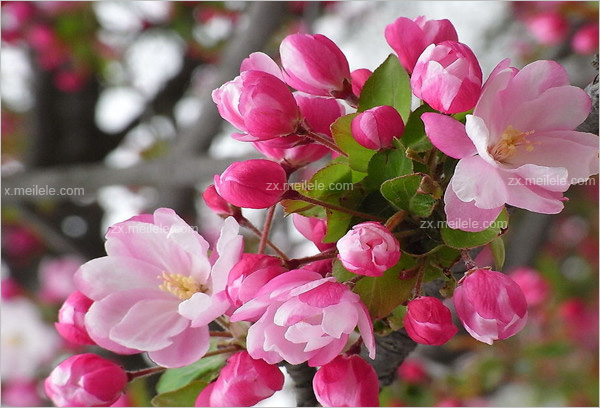
IV. Fertilizing
Fertilizing the Malus spectabilis requires special attention, especially in autumn, when the Malus spectabilis sheds its leaves. After the leaves fall, a heavy fertilizing must be applied to make up for the nutrients lost because of this; when it sprouts in spring, an organic fertilizer must be applied once again, and a thorough watering must be given.
V. Pruning
The Malus spectabilis needs to be pruned once after the leaves fall and before the spring buds appear, cutting off dead branches, weak branches and branches with pests or diseases to maintain ventilation and light penetration; of course, to ensure vigorous flowering, long branches need to be cut back so that other axillary buds can obtain more nutrients, reducing nutrient consumption. During the growing period, pinching should be done in time to keep nutrients from being dispersed.
Summary: The above is the flower language of the Malus spectabilis and the related introduction to the cultivation methods of the Malus spectabilis. How much information have you learned? Different flowers have different flower languages, as well as some related cultivation methods. Flowers are like us humans, and they also need to be watered with care.
More information
| What does the white rose represent | What plants protect against computer radiation | Pelargonium | Cultivation methods and precautions of rhododendron | Golden Heart Spider Plant |
| Lavender flowering period | Indoor foliage plants | Boston ivy | How to fold a lily | Effects and functions of mint | Cultivation methods of Mimosa pudica |
| How to grow succulents | Osmanthus | Effects and functions of Gynostemma pentaphyllum | Handmade roses | Effects and functions of honeysuckle | Kumquat |