What is the flower language of the blue cornflower? With cornflower pictures to enjoy
Different plants, especially among flowers, show an extremely rich range of color variation. Some varieties have more than one color, and some even cover several different colors. So next, let us take a look together at the flower language of the blue cornflower, and enjoy some cornflower pictures!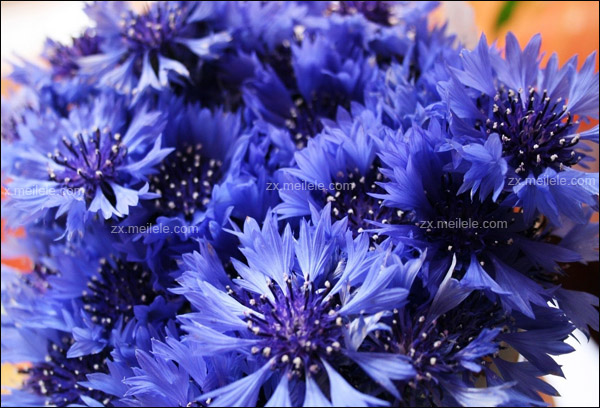
The flower language of the blue cornflower
Flower language: Encounter
In some places, young girls like to press picked cornflowers flat and put them inside their undergarments. After an hour, if the petals are still flat and broad, it means they will meet their future other half. Therefore, its flower language is - Encounter.
Anyone blessed by this flower will meet quite a few benefactors in life: such as good teachers and helpful friends, or an ideal partner, and so on. A cornflower-like girl seems never to grow up, always as sweet and lovely as a little girl, and even more brightly colorful, just like this flower.
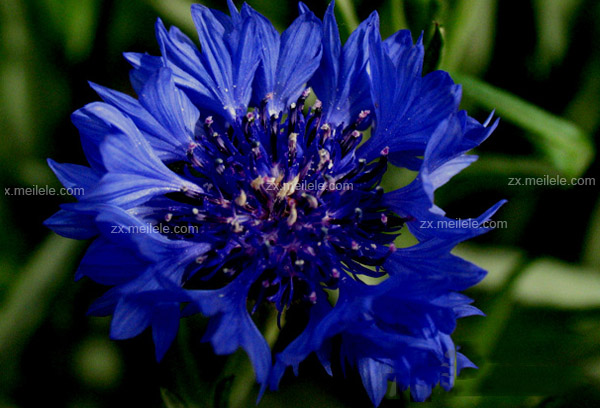
Cultivation and management
Cornflowers like full sunlight and a cool climate, and dislike summer heat. They are suited to fertile, loose soil. Because of the taproot, direct sowing is preferable. For autumn sowing to bring earlier bloom, they can overwinter in a cold frame, and can flower by late spring.
Because cornflowers do not tolerate transplanting, they must be moved with a soil ball, otherwise they will not recover easily. After planting and establishment, apply once every 10 days or half a month a diluted decomposed human manure liquid mixed with 5 times water, and stop fertilizing in March of the following year to wait for flowering.
If grown in pots, the potting soil should be loose and fertile. It is best to use a mixed soil of garden soil, leaf mold, plant ash and so on. When the seedlings have 6-7 leaves, carry out the first transplanting; as they grow afterward, repot at least into a three-tube pot, because cornflower has a taproot system and large seedlings do not tolerate transplanting. In winter they can be continuously buried in soil to overwinter, then taken out in early March. Fertilize frequently, and stop fertilizing when flower buds appear.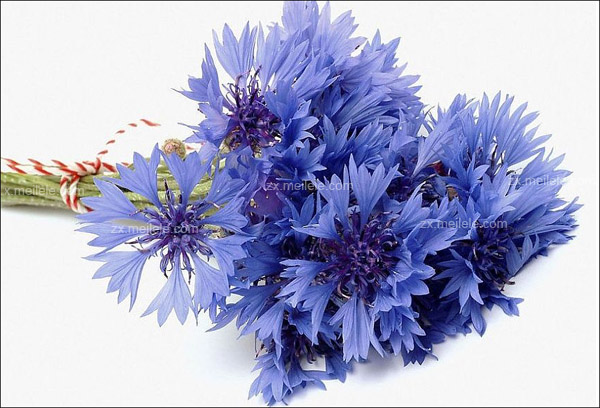
Cornflowers are strongly cold-resistant. In East China they can be planted in the open ground, while in North China they need covering to overwinter; they like fertile and loose soil; they like full sunlight; they can self-sow; they are highly adaptable and easy to cultivate. When grown for cut flowers, greenhouses are usually used to force flowering: sow in August, plant out in September, and flowers can be produced in February of the following year.
In warm regions, sowing is generally done in August-September, overwintering in the open ground with covering, planting out in early spring of the following year, and flowering in early summer. In Northeast China, spring sowing is done in greenhouses. Because the cornflower root is a taproot with very few lateral roots, transplanting must be done with soil when the seedlings are small; larger seedlings are not easy to keep alive, so spring direct sowing is often used.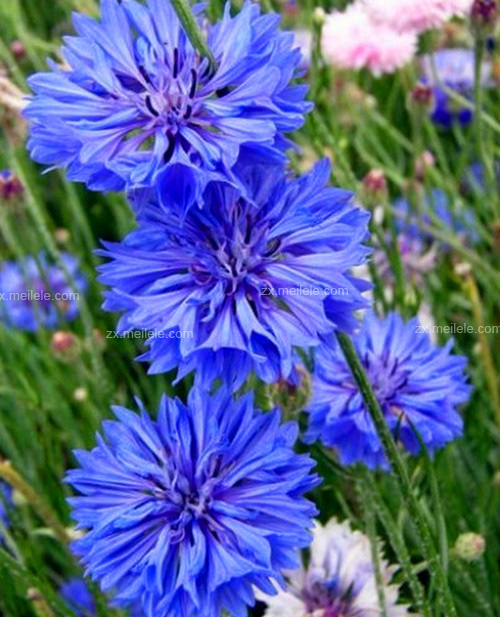
Cultivation precautions
Generally, direct sowing is done in a seedbed in September. South of Central China, they can overwinter in the open ground without winter protection, and are transplanted in November or early March of the following year. In North China, autumn-sown seedlings are transplanted once when they grow 2-3 true leaves, moved into a sunny cold frame before winter, covered with winter protection, and planted out in the open ground in early spring of the following year. Base fertilizer should be applied before planting out.
Because cornflower has a taproot and does not tolerate transplanting, a fairly large soil ball must be kept when transplanting. The cornflower stem is slender and weak and easily lodges, so the planting spacing should not be too close. Prevent overly dense growth and poor ventilation, which can cause lodging.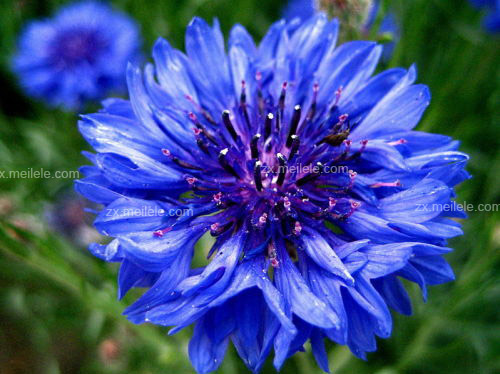
During the seedling stage, pinching and topping are needed to encourage more branching and make the plant shorter, so that it flowers more and has a graceful shape. During the growing period, apply liquid fertilizer once every 20 days, but note that too much nitrogen fertilizer should not be applied. Instead, apply somewhat more phosphorus and potassium fertilizer to make the stems firm and the flower colors vivid.
At the same time, watering should be moderate, not excessive. In the rainy season, be sure to drain promptly, otherwise root rot may occur and affect the normal growth of the plant.
Summary: The above is the introduction to the blue cornflower. How much did you remember? If you did not remember what you need, it does not matter, you will remember after reading it a few more times. Cornflower is a flower symbolizing happiness, so give him or her a cornflower!
More information
| What does a white rose mean | What plants protect against computer radiation | Geranium | Rhododendron cultivation methods and precautions | Golden Heart Spider Plant |
| Lavender flowering period | Indoor foliage plants | Boston ivy | How to fold a lily | Mint benefits and effects | Mimosa cultivation methods |
| How to grow succulents | Osmanthus | Gynostemma benefits and effects | Handmade roses | Honeysuckle benefits and effects | Kumquat |