Detailed Guide to Making and Caring for Jade Hibiscus Bonsai
Jade Hibiscus is a plant with beautiful and varied leaf shapes. When made into a bonsai, its main ornamental value lies in viewing the trunk and the foliage. Let's take a look together below.
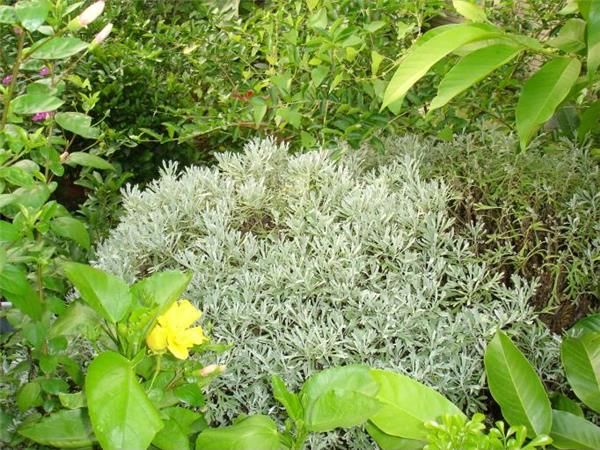
Making Jade Hibiscus Bonsai
Growing medium: Jade Hibiscus has a well-developed root system and a relatively large plant form. When grown in a pot, due to the limitation of the container, its roots can only spread within a very small soil area. Therefore, when growing Jade Hibiscus in pots, the soil requirements are strict, and a growing medium must be prepared manually. First, select the raw materials, such as garden soil, leaf mold, river sand, peat, and barnyard manure; then determine a reasonable ratio: for example, 5 parts garden soil, 3 parts leaf mold, and 2 parts furnace slag ash plus farmyard manure; finally, to kill pathogens in the growing medium, chemical disinfection or heat sterilization can be carried out.
Transplanting: To prevent overcrowding, rooted cuttings should be transplanted in a timely manner into open ground, protected areas, or pots for cultivation. Note that small seedlings are generally not suitable for pot cultivation, because small seedlings grown in pots do not grow as fast or as robustly as those grown in the ground, and they also do not take shape as quickly or develop roots as well. Therefore, potted Jade Hibiscus usually uses mature old stumps that are more than 1 year old.
Potting: Transplant rooted cuttings that are more than 1 year old and have taken shape into clay pots or bonsai pots for cultivation. When potting, make sure the seedling and the pot are appropriately matched in size, and take care to protect the integrity of the formed root system.
Pruning: It can be trained into a natural recurved form, a tiered cloud-pad form, or a prostrate curved form. Generally there are 3 to 4 main branches, divided into 3 to 4 layers, with the lower layers larger and the upper layers smaller. The lowest branch can also be trained into a relatively long trailing branch hanging down over the lower part of the pot surface. Shaping should be carried out during the slow-growth periods of March to April and August to September. Jade Hibiscus branches are thin and brittle, so care must be taken during shaping and excessive force must not be used.
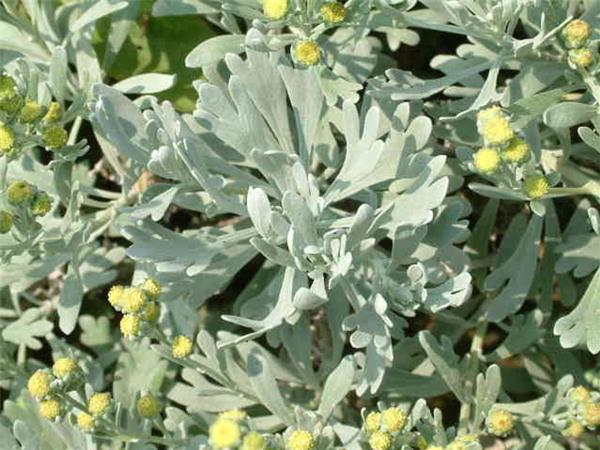
Bonsai Care for Jade Hibiscus
Light: Jade Hibiscus likes full sunlight and is not shade-tolerant. Even in the hot summer, shading is not necessary. Direct sunlight is more conducive to good growth of Jade Hibiscus and enhances its ornamental value. If light is insufficient, the branches and leaves of Jade Hibiscus will grow leggy, the plant form will become loose and not compact, and the leaf color will change from silvery white to light green. If it needs to be moved into a shaded spot indoors for viewing, this can only be for a short period so as not to affect the plant's growth. However, young seedlings are afraid of scorching sun exposure, so proper shading should be provided.
Watering: Jade Hibiscus is drought-tolerant and not tolerant of waterlogging. Watering should follow the principle of "better dry than wet," and the potting soil must never be allowed to become too wet or waterlogged. Normally, water thoroughly when watering. When the air is dry, spray water on Jade Hibiscus to increase air humidity and prevent the leaves from drying and scorching. During the rainy season, drain promptly to prevent waterlogging; otherwise, standing water in the pot can easily cause root rot in Jade Hibiscus. For Jade Hibiscus placed outdoors, check promptly after rain and pour out any accumulated water in the pot. In winter when temperatures are low, even more attention should be paid to controlling watering.
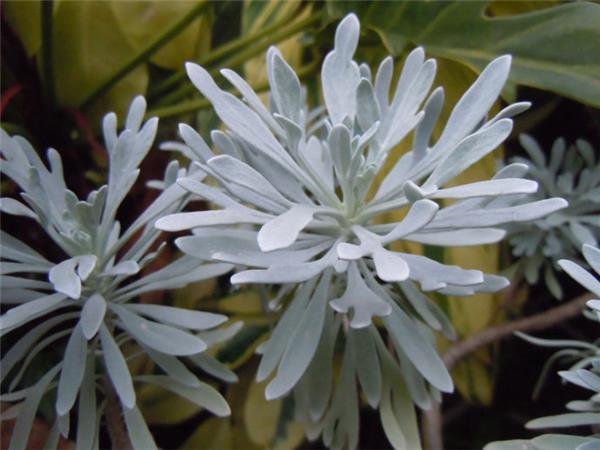
Fertilizing: It likes fertilizer. Fertilizing should follow the principles of applying dilute fertilizer first and then stronger fertilizer, applying small amounts frequently, and combining nitrogen, phosphorus, and potassium reasonably. During the growing season, apply cake fertilizer water once every 10 to 15 days. In the late growth stage and the seed-setting stage after flowering, apply phosphorus and potassium fertilizer, and also spray the leaves with 0.2% urea plus 0.1% monopotassium phosphate. Organic fertilizer must be fully decomposed before use. In high-temperature weather, fertilizing should be stopped or only a small amount of inorganic fertilizer should be applied. Potted Jade Hibiscus should be repotted once every 2 years. In autumn or when repotting, base fertilizer should be applied, generally using decomposed cake fertilizer or barnyard manure, 20 to 100 grams per pot.
Pests and diseases: It has strong disease resistance and relatively few pests and diseases. Common ones include black leaf spot or brown spot disease, powdery mildew, aphids, red spider mites, scale insects, and leaf-eating pests. Check and control them promptly. For leaf spot disease, 50% carbendazim or 75% chlorothalonil at 800 to 1000 times dilution can be used. For powdery mildew, triadimefon at 1000 times dilution can be used. Aphids on Jade Hibiscus are relatively serious; once found, spray promptly with imidacloprid at 1000 times dilution to kill them. For scale insects, during the larval stage from May to July, spray 40% methidathion at 1000 times dilution 2 to 3 times. For red spider mites, use 15% fenbutatin oxide emulsifiable concentrate at 2000 times dilution for control.
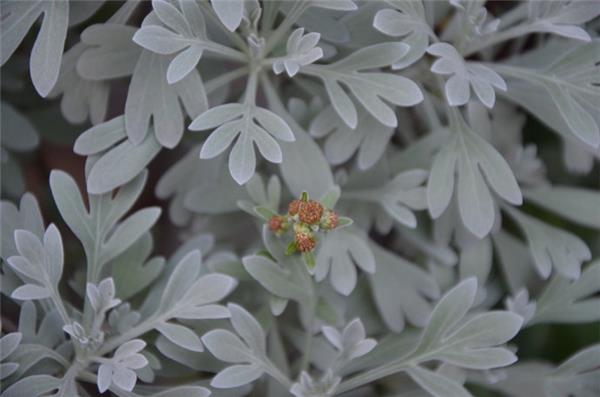
Potted Jade Hibiscus is suitable for cultivation and viewing on balconies, indoors, and in courtyards. If you gently touch the leaves with your hand, a striking fragrance is released, like mugwort fragrance and also like wild chrysanthemum fragrance, making people feel cool and comfortable, refreshed and clear-headed. Therefore, it is gradually becoming an increasingly popular indoor potted ornamental plant.