Is the hibiscus tree the same as the hibiscus flower? Understanding hibiscus tree knowledge in one article
When you see the hibiscus tree, is the first thing you think of the hibiscus flower? Actually, the hibiscus tree and the hibiscus flower are two completely different plants. What the hibiscus tree usually refers to is actually what we normally call the silk tree (Albizia julibrissin). Let's learn about it together.
Introduction to the hibiscus tree
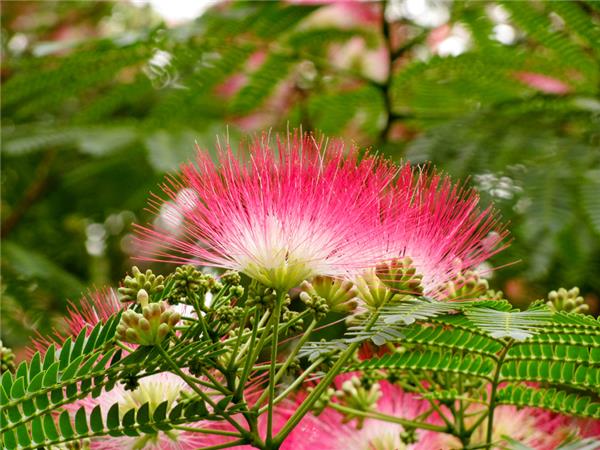
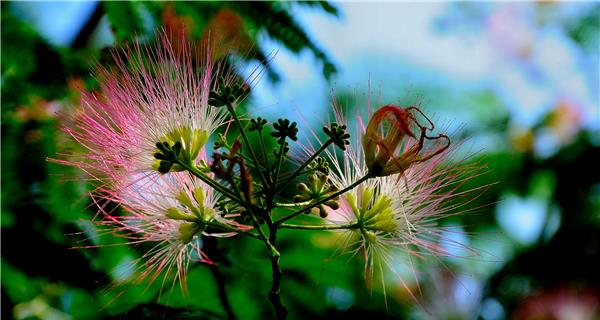
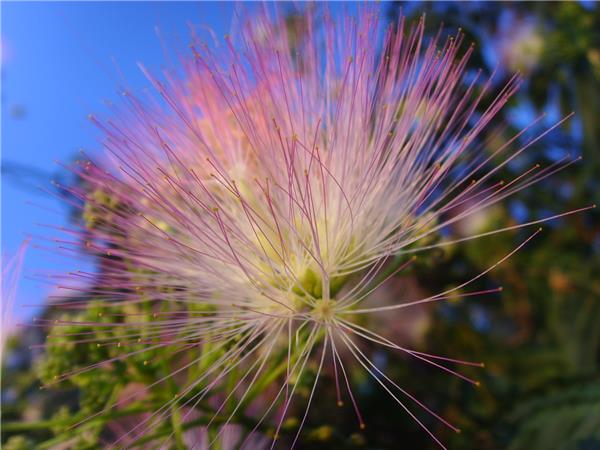
Morphological characteristics: The hibiscus tree is a deciduous tree of the Fabaceae family, also called the velvet flower tree. The hibiscus tree's flowers and leaves are elegant and unusual, with green shade like an umbrella. The silk tree's leaves are slender like feathers, and the flowers are beautiful, shaped like velvet balls, with a refreshing fragrance. The leaves are remarkable, closing at sunset and opening at sunrise, giving people a symbol of friendliness. The hibiscus tree's bark is grayish-brown, and the twigs are angular. The bipinnately compound leaves are alternate, with 4 to 12 pairs of pinnae; 10 to 30 pairs of leaflets, sickle-shaped oblong, extremely oblique on both sides, 5 to 10 mm long and 1 to 3 mm wide, with an extremely pointed apex and a wedge-shaped base. The pods are flat, long elliptical; the leaves are alternate, the inflorescence is corymbose, and the staminal filaments are thread-like, half white and half red, hence the names "horse tassel flower" and "velvet flower."
Growth habits: The hibiscus tree is a sun-loving species that prefers a warm and humid environment; seedlings are resistant to severe cold and drought. In summer, the hibiscus tree's bark cannot tolerate hot weather and avoids direct sun exposure, and it easily peels and becomes diseased. The silk tree grows better in sandy soil and fears waterlogging, so during planting, drainage must be timely and kept unobstructed. There must be no standing water in any season, and sufficient sunlight must be maintained.
Functions and effects: The hibiscus tree not only has ornamental value but also plays a very significant role in environmental protection. It has strong resistance to nitrogen dioxide and a certain resistance to sulfur dioxide and chlorine gas. In addition, the bark and flowers of the hibiscus tree can be used medicinally, with effects such as calming the mind and relieving depression, or promoting blood circulation and relieving pain, and can also treat fractures, swelling and pain, and other symptoms. Its wood structure is fine and dense with straight grain, and can be used to make furniture, buildings, and so on.
Cultivation conditions for the hibiscus tree
Propagation: The hibiscus tree is generally propagated by sowing, with seeds collected in October and sown the following spring. The hibiscus tree is not strict about soil, likes light, is not tolerant of shade, and is not tolerant of severe cold. If conditions permit, it is advisable to choose deep, slightly acidic loam for planting the silk tree. It can also grow fairly well in poor, thin soil. The silk tree has rhizobia and has the effect of improving soil. The silk tree has a very long lifespan. When phenomena such as declining tree vigor and reluctance to bloom occur, consider renewing the plant, and at that time avoid continuing to plant in the same spot.
Sunlight: The hibiscus tree belongs to the yin-yang tree and needs sufficient sunlight during the growth period; excessive shade will lead to poor growth. In winter, place it indoors to overwinter.
Pruning: For potted hibiscus trees, for a good ornamental effect, they should not grow too tall. When they grow more than 20 cm tall, they should be topped. The branches of the hibiscus tree are relatively sparse, so it is advisable to keep more lateral buds so the branches grow full and the ornamental value increases.
Prevention and control of common pests and diseases of the hibiscus tree
1. Choose varieties with strong disease resistance, such as Chiwen with light-colored flowers and Charlotte with dark red flowers. In terms of planting form, it is best to plant a single tree or a few trees as accents in greenbelts, gardens, and courtyards. It is not suitable for large-scale planting or for use as street trees on streets, because street soil is compacted and drainage is poor.
2. Do a good job of preventing pests and diseases in silk tree seedlings. When the seedlings grow 2-3 true leaves, spray 1 application of 2000-fold methamidophos solution to prevent ants and other pests from harming the seedlings. After that, spray foliar fertilizer on the leaf surface at regular times and amounts to improve the disease resistance of the nursery stock.
3. Reduce wounds. In daily maintenance and management, prune as little as possible, and apply a protective agent appropriately to the cuts. When transplanting, it is best to transplant small seedlings; when transplanting large trees, reduce the time for lifting seedlings, transport, and planting. Before planting, sterilize and disinfect the roots. You can spray 40% carbendazim wettable powder 500-fold solution, or 65% zineb wettable powder 500-fold solution.
4. Chemical treatment. For diseased plants with mild symptoms, control them by combining chemical treatment while replacing the soil. You can use 14.5% duoxiaoling water-soluble powder, 40% quintozene powder 300-fold solution, and other pesticides at conventional concentrations to irrigate the soil, once about every 8 days. For 3 to 4 consecutive times, it can effectively curb the spread of the disease and gradually restore the plant.
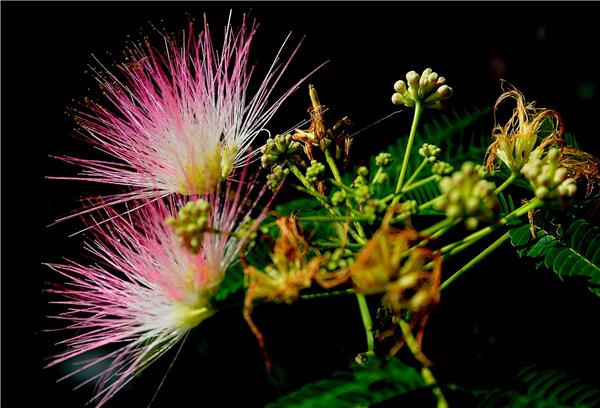
Here we also want to share a little knowledge with everyone: the hibiscus tree is also the preferred tree species for earthquake observation and is called a sensitive plant. As a hibiscus tree used in garden landscaping, it is generally used for garden ornamentation, communities, gardens, and schools. In urban greening, it can be planted alone as a courtyard tree, or combined with flowering shrubs or mixed with other tree species to form a scenic forest.