How to grow Hibiscus mutabilis so it looks beautiful? Detailed guide to propagation and cultivation methods
The flowers of Hibiscus mutabilis are beautiful in form and rich in color, with a long blooming period. It is a plant that can effectively beautify its surroundings, so after learning some techniques for growing it, cultivating it will be a great choice for improving our quality of life.
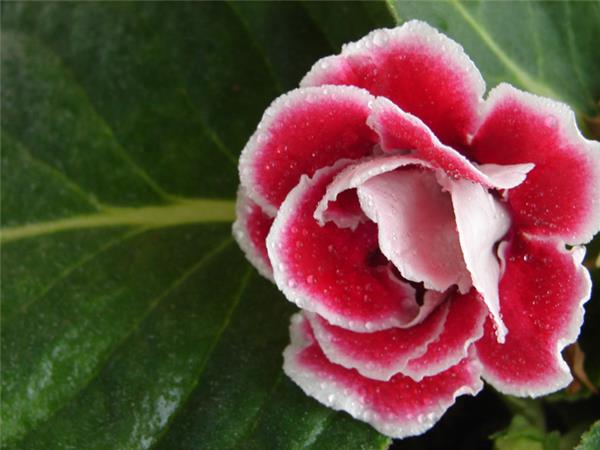
Propagation methods of Hibiscus mutabilis
Sowing: Harvest the fruit from November to December, dry it in the sun until it splits, then tap out the seeds. The seeds must not be exposed to scorching sun. Dry the seeds and store them indoors in a cool, dry place, then sow in March to April the following spring. Before sowing, soak the seeds in 45°C warm water for 2-3 hours. Sift the bed soil finely, water thoroughly to saturate the bottom soil, mix the seeds with fine sand, then broadcast them on an open-field seedbed. Seedlings can emerge in 7-10 days, can be transplanted after 40 days, and can be planted out after 6 months of cultivation.
Cuttings: Around October, cut strong current-year branches 1.2-1.5 cm in diameter, cut them into 15-20 cm long cuttings, with the upper cut about 1 cm from a bud, each cutting containing more than 3 buds, tie them into bundles, and bury them in sand until March to April the following spring for cuttings. In the following spring, take out the cuttings, soak them for 4-8 hours so they fully absorb water, then make the cuttings. The cutting depth is 2/3 of the cutting length, with a plant spacing of 8 cm and a row spacing of 25 cm. Be careful not to damage the bark when cutting. Water timely after cutting to keep moist; they root very easily, and the seedlings can reach about 1 m in height in the same year. You can also cut branches directly for cuttings in early spring. They root 1 month after cutting. Both methods have a relatively high seedling survival rate. The seedlings can be planted out after 3 months of raising.
Division: Carry out before budding in early spring. First cut back the branches of the clustered mother plant to 20-30 cm above the base, then dig out the mother plant and divide it into several divisions. After planting, new clumps form from shoots sprouting at the base of the stems, and they can bloom in autumn of the same year.
Layering: From July to August, bury its branches in the soil. After about more than 1 month, the layered branches in the soil take root, and after another 1 month, they can be separated from the mother plant and survive the winter.
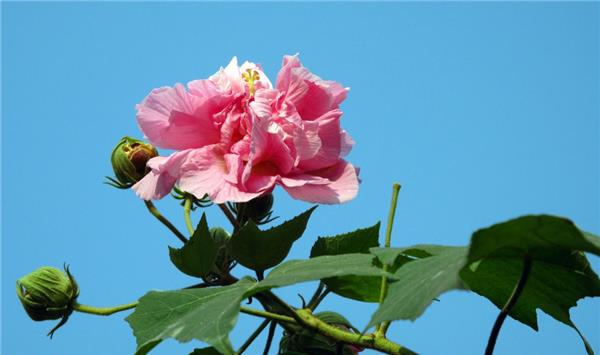
Cultivation methods of Hibiscus mutabilis
Habits: It prefers humid and warm regions, and is not cold-tolerant or drought-tolerant. It is suitable for growing in places with sufficient sunlight, tolerates partial shade, and has low soil requirements. It can grow in fertile, moist, well-drained soil, but can still grow in poor areas.
Watering: Hibiscus mutabilis is not drought-tolerant. During the growing season, sufficient water must be maintained to meet its growth needs. When the flower buds show color, water should be appropriately withheld to control leaf growth and concentrate nutrients in the flowers. In winter, watering should be reduced.
Temperature: Hibiscus mutabilis has poor cold tolerance. In winter, it should be moved indoors, ensuring the temperature is kept at 0-10°C, allowing it to enter natural dormancy.
Fertilizing: During the spring budding period, Hibiscus mutabilis needs more fertilizer and water, and a small amount of phosphorus and potassium fertilizer should be applied before and after the flowering period. Every winter or spring, trenches can be opened around the plant and some decomposed organic fertilizer applied, to help the plant grow vigorously with abundant flowers and lush leaves.
Pruning: Hibiscus mutabilis needs frequent pruning, which not only maintains its appearance, but more importantly shapes it into a shrub form and removes dead branches and fallen leaves, keeping the entire crown well ventilated and well lit.
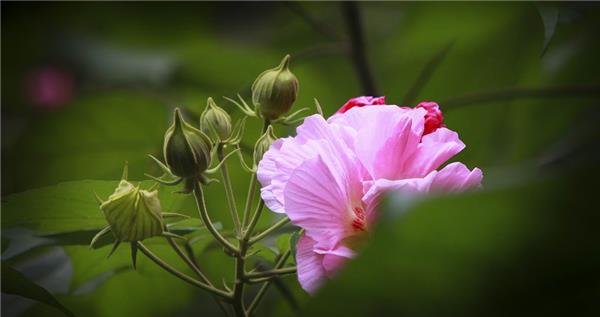
Pests: The most common pest and disease of Hibiscus mutabilis is the common red spider mite, which can be sprayed with 73% propargite 3000-fold solution or 20% amitraz emulsifiable concentrate 1000-fold solution. Small green leafhoppers and cotton leafhoppers are also common pests of Hibiscus mutabilis and can be sprayed with 5% carbaryl powder.
Field planting management: Hibiscus mutabilis is generally planted beside ponds or in sunny spots in courtyards, and extensive management is also acceptable. Water more in the dry season. Before winter, all branches of Hibiscus mutabilis should be cut off, or the plant should be cut short 5 cm above the ground, and soil should be mounded around the base of the plant to ensure safe overwintering. In spring of the following year, remove the mounded soil, and new branches will sprout from the old plant.

Hibiscus mutabilis blooms abundantly, and its flowering period is long, lasting at least more than one month. It is a highly ornamental flowering plant. It can be planted in courtyards to beautify the environment. It can also be grown in pots and placed indoors for visual enjoyment.