Dwarf gardenia is the pretty little sister in the gardenia family
Although dwarf gardenia has relatively small leaves, its ornamental effect is no less impressive than that of other gardenia varieties. Let's get to know this little sister in the gardenia family below.
Introduction to dwarf gardenia
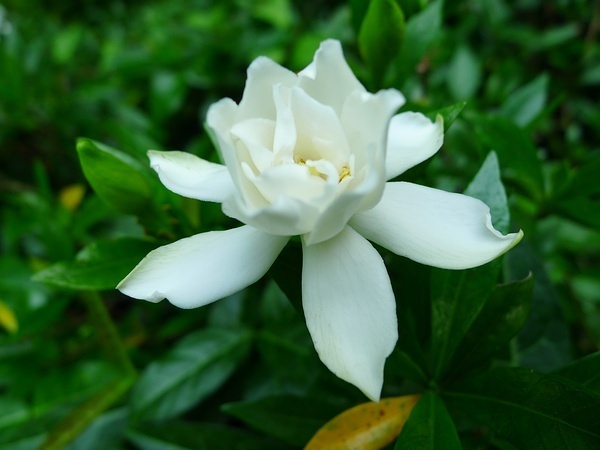
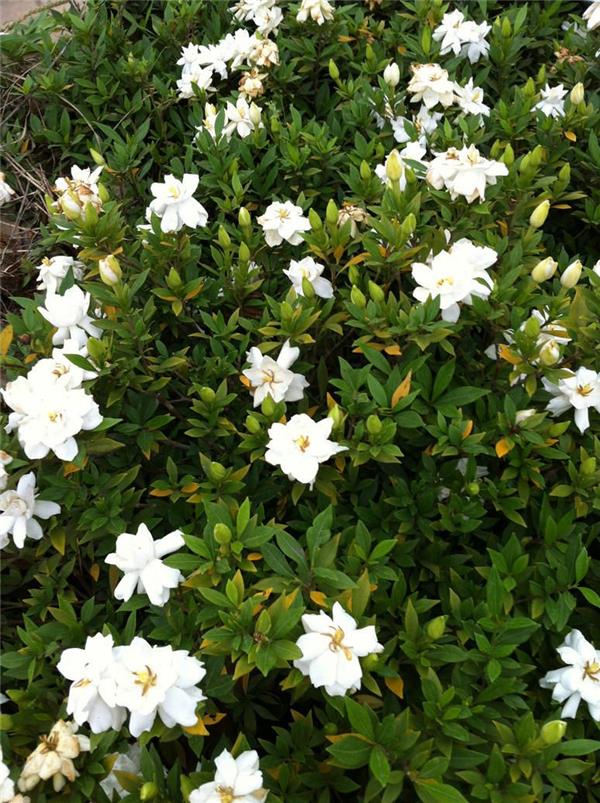
Morphological characteristics: Dwarf gardenia is an evergreen shrub. The leaves are opposite or in whorls of 3, obovate, leathery, emerald green and glossy. The flowers are white and extremely fragrant. The berries are ovate, yellow or orange.
Growing environment: Dwarf gardenia likes a warm and humid climate, is not cold-tolerant, and likes sunlight but cannot withstand strong direct sunlight. It is suitable for living in slightly shaded places and grows well in loose, fertile, well-drained, slightly clayey acidic soil. It is a typical acid-loving flowering plant. It is not cold-tolerant, tolerates partial shade, and fears waterlogging. In Northeast China, North China and Northwest China, it can only be grown as a potted flowering plant in a greenhouse.
How to grow dwarf gardenia
Potting soil: Dwarf gardenia is an indicator flowering plant that likes acidic soil, with a suitable pH of 5 to 6. Therefore, a slightly acidic soil environment is the key to determining whether dwarf gardenia grows well. If the soil acidity is unsuitable, future management will yield twice the effort for half the result. The growing medium should be a mixture of 7 parts slightly acidic sandy red soil and 3 parts leaf mold. It is advisable to keep the soil pH between 4.0-6.5. For cultivation soil, you can choose leaf mold, peat soil, or composted sawdust plus half garden soil. Do not use old wall soil or coal cinder. Using commercially available Clivia soil is more convenient and practical.
Fertilization: During the growing season, water once a week with alum fertilizer water made by composting cake fertilizer plus ferrous sulfate, or use 0.1% humic acid complete-nutrition organic liquid fertilizer. During the bud stage, water 1 to 2 times with a 0.1% potassium dihydrogen phosphate aqueous solution, which can make the flowers larger and the fragrance richer. Stop fertilizing during the hot summer period when the temperature is above 35°C and in autumn when it is below 15°C. After entering the peak growing season in April, topdress once every half month. This can not only meet dwarf gardenia's fertilizer needs, but also keep the soil environment in a relatively balanced slightly acidic state, prevent the occurrence of chlorosis, and at the same time avoid the harm to the flowers caused by suddenly supplementing ferrous sulfate and causing local over-acidity.
Water: Dwarf gardenia likes warmth and humidity, tolerates moisture but not drought. In summer, appropriately increase the frequency of watering, and also spray the leaf surfaces in the morning and evening. Keep the potting soil moist, but dwarf gardenia also fears waterlogging, so pay attention to the amount of water given.
Light and temperature: Dwarf gardenia likes a sunny environment. Whether there is enough sunlight affects the number of flowers. Long-term growing in a semi-shaded environment will lead to too few flowers on dwarf gardenia. Dwarf gardenia is relatively cold-tolerant, but the roots of potted dwarf gardenia may be damaged. The best method is to place it in a cold room at around 5°C to keep it dormant, so that next year it can recover quickly and bloom early.
Pruning: Dwarf gardenia does not need pinching. After flowering each year, prune lightly, cutting off inner branches and diseased or weak branches, and shortening individual leggy branches.
Precautions for growing dwarf gardenia
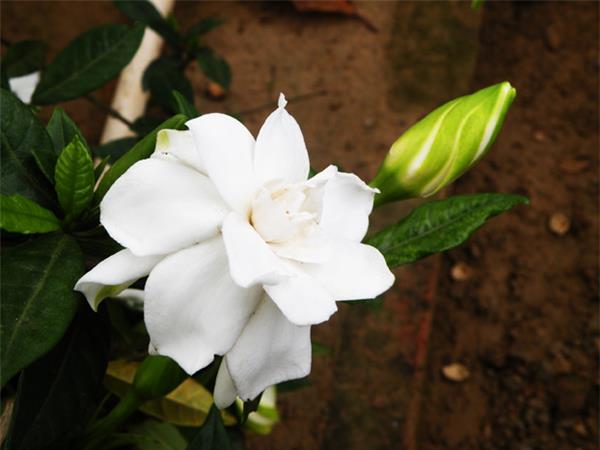
In the north, it is often the case that dwarf gardenia introduced from the south in the first year has very large flowers, then becomes smaller in the second year, the leaves turn yellow and easily fall off, and in severe cases the plant dies. The main reasons are that the soil in the north is somewhat alkaline, the climate is dry, and the water quality is unsuitable for its growth. Therefore, when introducing it from the south, transplant it with as much soil as possible. Usually water it with stored rainwater or water soaked with green grass and fruit peels, or water it with fermented salt-free slop. If 0.1 kg of ferrous sulfate can be added to 50 kg of water, the effect is even better. During the peak growing period, topdress with fertilizer water to promote lush branches and leaves and make the leaf color dark green and glossy.
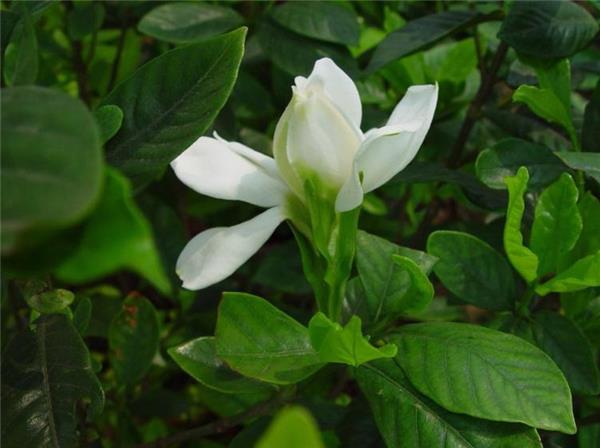
Overall, dwarf gardenia is relatively easy to grow, and its leaves are bright and emerald green, its flower shapes are elegant and varied, and its flower color is pure white and refined. Placed in a room, it can not only effectively enhance the quality of the room, but also help purify the indoor air. It is a relatively popular indoor potted ornamental plant.