How to grow Alocasia macrorrhizos? Gardeners share care methods
Alocasia macrorrhizos has very high ornamental value and is greatly useful for cultivating one's temperament. Alocasia macrorrhizos, as the name suggests, has a magical water-dripping effect, so are you tempted by Alocasia macrorrhizos, and do you want to know how Alocasia macrorrhizos should be grown?
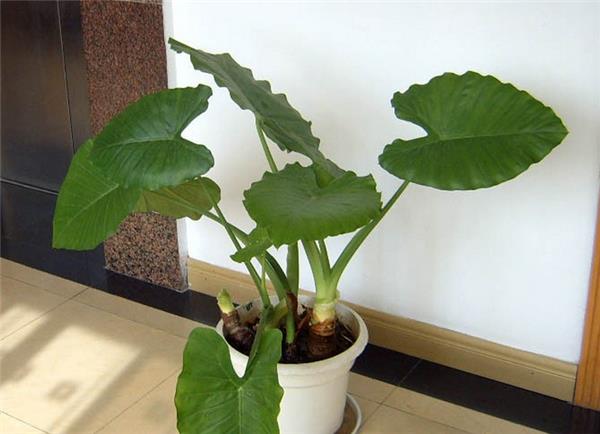
I. How to grow Alocasia macrorrhizos
How to grow Alocasia macrorrhizos: Alocasia macrorrhizos is a very common green potted plant kept at home, but because it is a tropical plant, it generally does not bloom in the north. However, if the temperature and other conditions at home are suitable, it will also bloom.
It does not have high requirements for soil, but it grows best in well-drained sandy loam or humus loam containing organic matter. Because Alocasia macrorrhizos by nature loves warm, humid and semi-shaded environments and is not cold-tolerant, the potting soil must be kept moist during the growing season.
It is summer now, so the flower pot should be placed in a semi-shaded, ventilated place, and water should often be sprayed around it and on the leaf surfaces to increase air humidity, lower leaf temperature and keep the leaves clean.
Because Alocasia macrorrhizos grows very fast, fertilization must be moderate during the growth process; applying a thin fertilizer of nitrogen, phosphorus and potassium 1-2 times a month is enough, otherwise it easily causes the lower part of the Alocasia macrorrhizos stem to become bare and hollow, affecting its ornamental value.
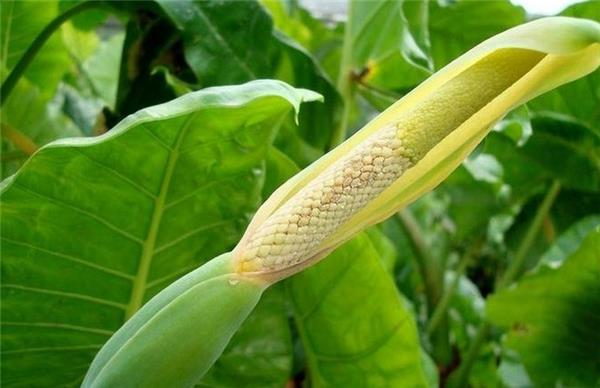
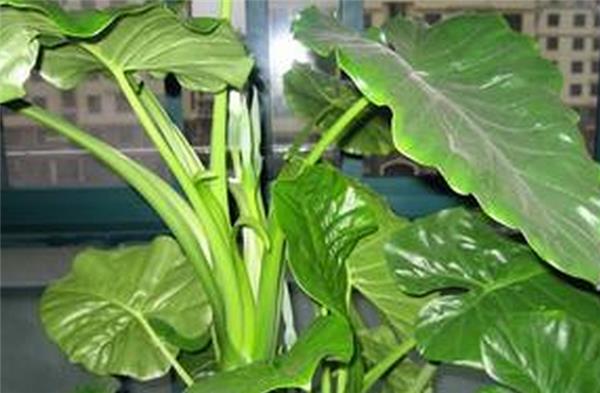
Alocasia macrorrhizos is a flower that likes plenty of water and plenty of fertilizer. It likes full light and likes loose leaf mold or sandy loam. Apart from appropriately shading it in the hot midsummer, it is best to give it all-day light in the other seasons. In addition, Alocasia macrorrhizos especially likes a climate of high temperature and high humidity, and at noon every day in midsummer water should be sprayed on the leaves to increase air humidity, so that the leaves of Alocasia macrorrhizos can become large and thick.
II. Notes on cultivating Alocasia macrorrhizos
1. The growth temperature is 20-30°C, and it can tolerate a low temperature of 8°C at minimum. In summer, when the temperature is high, as long as the soil is kept moist, water is sprayed frequently and it is shaded, it can still grow normally. In winter, the room temperature must not be lower than 5°C. Alocasia macrorrhizos is an understory plant of tropical rainforests, so its growth requires high humidity, and scattered light is best.
2. It is a shade-tolerant plant that likes a semi-shaded environment, and should be placed in an environment that is both shaded and ventilated.
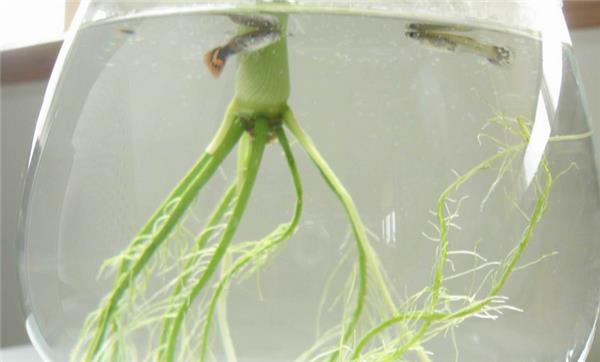
3. It can be cultivated with nutrient soil mixed from leaf mold, peat soil, river sand and a small amount of thoroughly decomposed cake fertilizer. Alternatively, it can also be hydroponically grown, but attention must be paid to preventing root rot and adding nutrient solution. Usually the pot is changed once every spring, and the soil can be loosened once a month to keep the potting soil in a well-aerated state.
4. It relatively likes fertilizer. From March to October, a liquid fertilizer should be applied as a top dressing once every half month, and the proportion of nitrogen can be appropriately increased; if a little ferrous sulfate can be added, so much the better, as the leaves will then grow as large as lotus leaves and smooth and attractive. Fertilization should be stopped when the temperature is below 15°C.
5. Because Alocasia macrorrhizos is a foliage plant, when planting and care are improper, the largest leaves will appear yellow and withered; at this time they should be cut off together with the stem with a knife, otherwise it will affect the growth and ornamental value of the other leaves.
The above gives the cultivation methods for Alocasia macrorrhizos, bringing good news to friends who care about the question of how to grow Alocasia macrorrhizos. I hope your Alocasia macrorrhizos can be grown successfully, and at the same time that you can gain something from growing Alocasia macrorrhizos.