How to Grow Calathea orbifolia? Detailed Guide to Its Care Methods
I believe everyone is familiar with the Green Apple Paradise. But as for Calathea orbifolia, many people have probably never heard of it. As a near-perfect material for interior decoration, Calathea orbifolia makes a contribution to the indoor environment that should not be underestimated. So, how should Calathea orbifolia be grown?
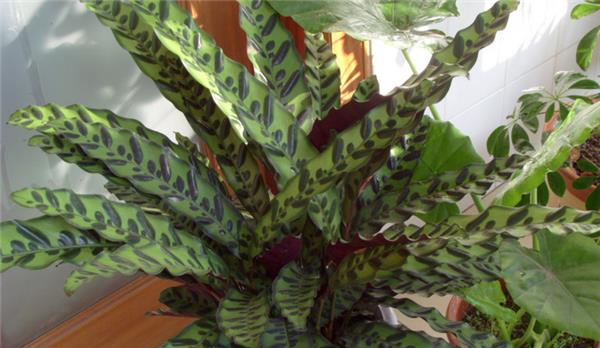
I. Care Methods for Calathea orbifolia
1. Light
Calathea orbifolia likes partial shade and dislikes strong direct sunlight. From mid-spring to mid-autumn, shade frames are required. If the sunlight is too strong, the leaves easily turn pale and dry, and may even suffer severe scorching. However, the light must not be too weak either, otherwise the leaves will become thin and dull, losing their proper fresh beauty. Therefore, in winter, potted plants placed in a shed or room should be given supplemental lighting. Plants usually displayed indoors for viewing should be placed in a spot with ample diffused light or in front of a window.
2. Water
Calathea orbifolia likes moisture and dislikes drought. Dry air easily leads to scorched leaf edges and poor growth. During the growing season, in addition to watering once a day, you should also spray the leaves and the surrounding environment to keep the relative air humidity at 85% to 90% or above. When the cold winter arrives, besides paying attention to keeping warm, you should also strictly control watering. At this time, overly wet potting soil easily causes rhizome rot, while keeping the potting soil slightly dry means that even if the leaves wilt, the plant will still send out new leaves after spring returns and the weather warms. When new leaves begin to sprout, you should not water too much either; as the new leaves increase, gradually increase the amount of water, which will help the plant grow robustly.
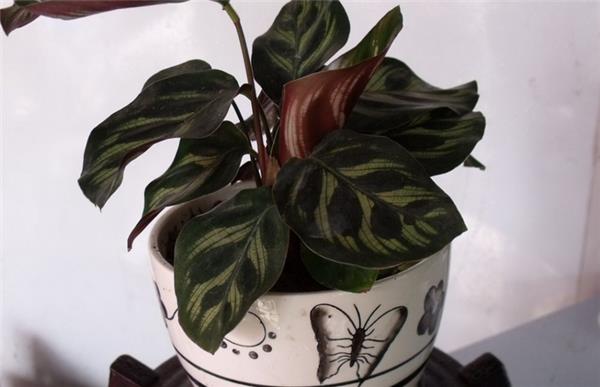
II. Precautions for Growing Calathea orbifolia
Ventilation for Calathea orbifolia needs to be carried out when the outside temperature is above 16°C, and the air can be blown directly onto the plant, but when there is strong wind, ventilation should be reduced or stopped to prevent leaf damage. Below 16°C, it is not suitable to ventilate much, as this is not good for its growth; gentle airflow can also be used to improve air quality. Ventilation is needed both at night and during the day. In autumn, it is enough to ventilate during the day and reduce or stop ventilation at night because of the low temperature; the main purpose is to protect the Calathea.
During the growth period, Calathea orbifolia can be watered with dilute organic fertilizer once a week. When potted plants are used for display at home or in public places, a mixed solution of 0.2% urea plus 0.1% potassium dihydrogen phosphate can be applied by watering or spraying. After summer arrives, when the temperature is above 32°C, fertilizing should be stopped. In late autumn and early winter, if the shed or room temperature is below 18°C, all forms of topdressing should also be stopped, otherwise fertilizer damage and root rot are easily caused.
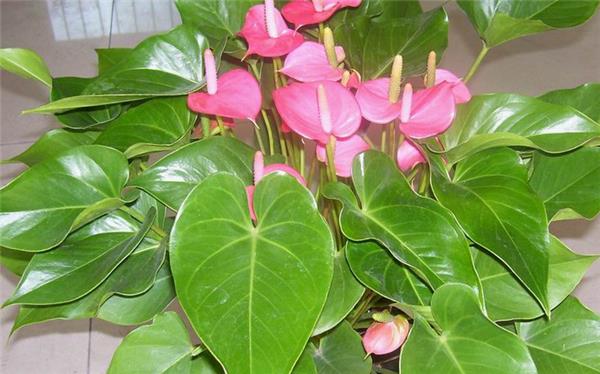
III. Maintenance of Calathea orbifolia
Temperature management: Calathea orbifolia is a warmth-loving plant. 20-28°C is suitable for growth. When above 32°C or below 10°C, the plant will stop growing. The overwintering temperature should not be lower than 10°C.
Humidity management: Calathea orbifolia likes a moist environment, and the substrate must always be kept moist; do not wait until the substrate is completely dry before watering. Generally, water when the surface layer of the substrate is slightly dry and pale while the middle and lower parts are still moist, and water thoroughly when watering. The relative air humidity should be controlled at 75%-85%. If this cannot be achieved, you can spray water mist on the leaves and sprinkle water on the ground around the plant to keep the air moist.
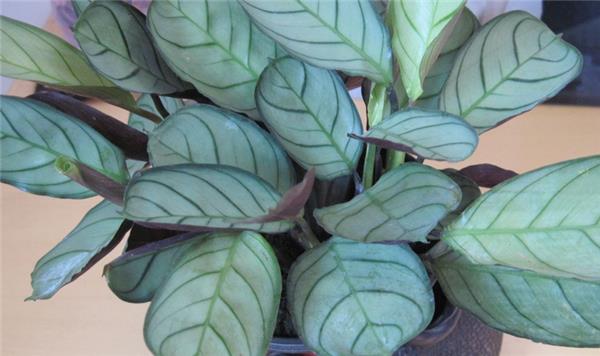
The above has introduced the care of Calathea orbifolia. For beginners, it may still be necessary to do a bit more homework, so that you can grow Calathea orbifolia beyond your imagination and make it a highlight of interior decoration.