Notes on Fruit Tree Cultivation and Analysis of Economic Benefits
Cultivating fruit trees in the courtyard serves the dual purpose of decorating the yard and providing fruit to eat, so planting fruit trees is a very suitable choice. Let's take a look below.
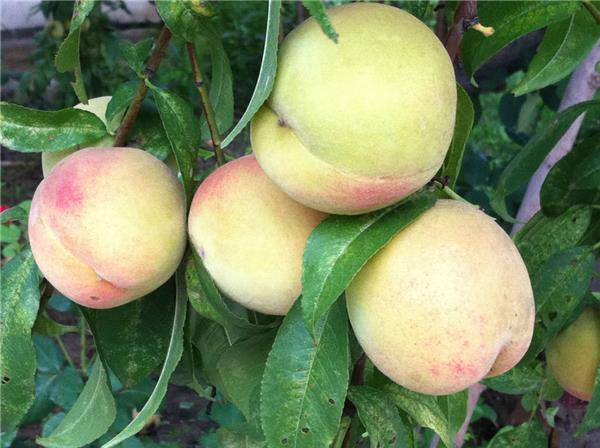
Notes on Cultivating Fruit Trees in the Courtyard
1. Select tree species according to local conditions. Fruit tree types suitable for courtyard cultivation include: pear, peach, persimmon, jujube, Chinese chestnut, citrus, grape, fig, and so on. Different fruit trees require different environmental conditions. For example, pear and citrus require deep, loose, fertile soil; persimmon trees should not be planted in dry and barren land.
2. Reasonable layout, matching trees to the site. In front of the house in a wind-sheltered, sunny spot, you can plant peach, Chinese bayberry, pomegranate, and so on; behind the house and on both sides, you can plant pear, persimmon, Chinese chestnut, jujube, and so on. On windowsills, drying platforms, rooftop terraces, low walls, and similar places, you can grow potted kumquat, grape, fig, pomegranate, dwarf peach, and so on. Also pay attention to arranging different early, mid-season, and late varieties of each fruit tree.
3. Provide pollinator trees. Pear, plum, peach, and others have low self-pollination rates; Chinese bayberry, ginkgo, and others are dioecious fruit trees. When planting the above fruit trees, you must plant different varieties with good quality, high yield, strong disease resistance, and synchronized flowering periods as pollinator trees and paired male and female plants. Take special care not to plant pear together with peach, pear with Chinese juniper, grape with Cupressaceae trees, or citrus with Lauraceae trees.
4. Prevent and control pests and diseases. From leaf fall in autumn until before bud break in spring, carefully inspect the trunk, branches, and bark cracks. If egg masses are found, crush and destroy them immediately. Sweep up fallen leaves and fallen fruit and bury them together beside the tree. In winter, prune dead branches and pest- and disease-infested branches and burn them in a centralized manner. For trunk-boring pests such as longhorn beetles, use a hook to kill overwintering larvae, or insert a cotton ball dipped in pesticide into the hole and seal the opening with mud to poison the larvae. Prepare a whitewash mixture and whitewash the fruit trees in winter to prevent and control pests and diseases.
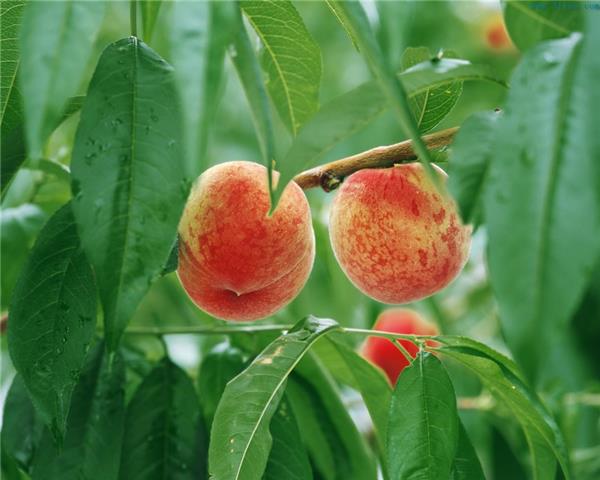
Methods for Fertilizing Fruit Trees in the Four Seasons
The first topdressing should be pre-flowering fertilizer. Fruit trees consume large amounts of nutrients when budding and flowering. If nutrient supply cannot keep up at this time, flowering will be prolonged and fruit set rate will decrease, so a suitable amount of quick-acting fertilizer should be applied.
The second is post-flowering topdressing. This topdressing should be carried out immediately after petal fall to reduce physiological fruit drop, promote new shoot growth, and expand leaf area. The 1st and 2nd topdressings should be closely combined, mainly applying quick-acting nitrogen fertilizer. For mature trees, apply 100 kg of decomposed human manure and urine or 1 kg of urea per tree.
The third is topdressing during fruit enlargement and flower bud differentiation. At this time the fruit expands rapidly and flower buds begin to differentiate, and reproductive growth and vegetative growth are in sharp conflict. Timely application of an appropriate amount of nitrogen, phosphorus, and potassium fertilizer can improve the photosynthetic effect of leaves, promote nutrient accumulation, and meet the nutritional needs of fruit enlargement and flower bud differentiation.
The fourth is topdressing when autumn shoots stop growing. Its main role is to improve the photosynthetic function of leaves, increase late-stage nutrient accumulation in the tree, and promote continued flower bud differentiation and plumpness. For the 3rd and 4th topdressings, apply 50 kg of human manure and urine, 1 kg of superphosphate, and 0.5 kg of potassium sulfate per mature tree. Timing of the 4th fertilization: early-maturing and mid-maturing varieties can be fertilized after harvest, while late-maturing varieties should be fertilized before harvest.
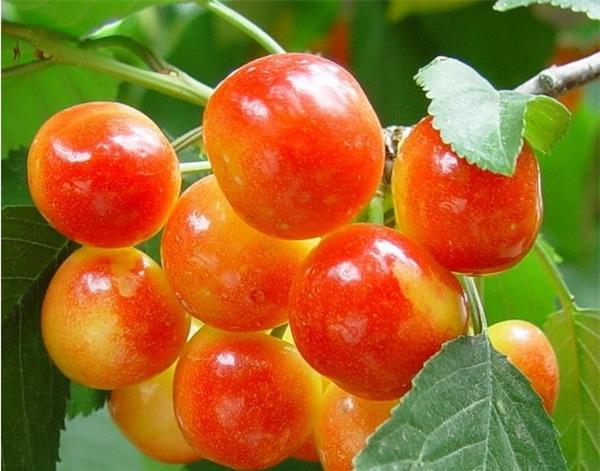
Economic Benefits of Fruit Tree Cultivation
Fruit tree cultivation is also a very profitable market in today's market. Now, as people's living standards improve, everyone demands a quality life. Eating fruit every day after meals is health-preserving and beautifying, and market demand for fruit has increased. Therefore, choosing a fruit tree cultivation project is a very good choice. So, which fruit trees are the most profitable to grow?
Fruit tree cultivation, as a relatively high-benefit industry among cash crops, is welcomed by farmers in some regions, but to truly achieve good results, it still must be viewed according to local conditions. In general, every fruit tree variety has its most suitable growing region, which means you should choose the fruit tree varieties most suitable for growing in your local area, and this is the first priority. Selecting local suitable varieties in combination with local natural conditions can be said to be half the success. Furthermore, you should base your choice on your local market conditions. Generally, ordinary varieties that are already widely planted should not be developed further, as large volume means low price and there is no competitive advantage.
By keeping up with the development and changes of the times, choosing fruit tree cultivation for profit can be a viable investment with a market. You can choose some famous, high-quality, new, and specialty varieties to develop, varieties with high market prices. Large-volume fruits such as bananas and citrus in the south and apples and pears in the north should not be developed further. At present, one trend is that third-generation fruits and minor mixed fruits generally have relatively high benefits.
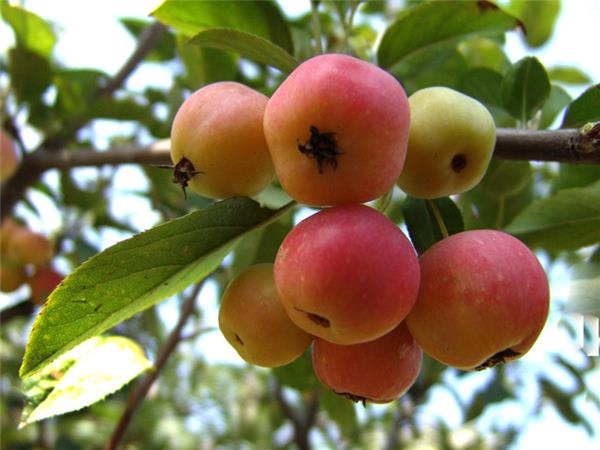
Of course, planting fruit trees in the courtyard is not for the pursuit of economic benefits, so in cultivating fruit trees we can choose the varieties we like to plant, in order to cultivate the pleasure of growing fruit trees.
Of course, planting fruit trees in the courtyard is not for the pursuit of economic benefits, so in cultivating fruit trees we can choose the varieties we like to plant, in order to cultivate the pleasure of growing fruit trees.