Choosing Landscape Flower Pots Common Types of Landscape Flower Pots
Landscape flower pots refer to pots that can not only be used to grow plants, but are also ornamental in themselves. Let's take a look at how to choose landscape flower pots.
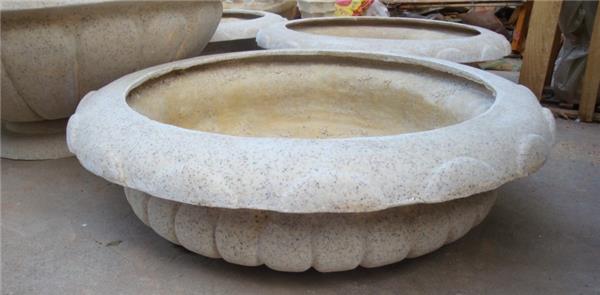
How to Choose Landscape Flower Pots
People love to grow one or several green plants at home. This not only enhances the joy of life, but also beautifies the environment. However, most people do not know how to keep them alive. Cultivating green plants requires not only providing enough nutrients and water, but more importantly, giving them enough space to grow. When choosing landscape flower pots, you should first consider the growth characteristics of the green plant you want to grow and the type you choose, and then choose the size and style of the pot. If the flowering plant you choose prefers shade and moisture, you can choose to buy plastic pots, porcelain pots, etc. If the flowering plant you choose does not need too much water, it is best to use clay pots, which have excellent drainage and aeration.
Some Common Flower Pots
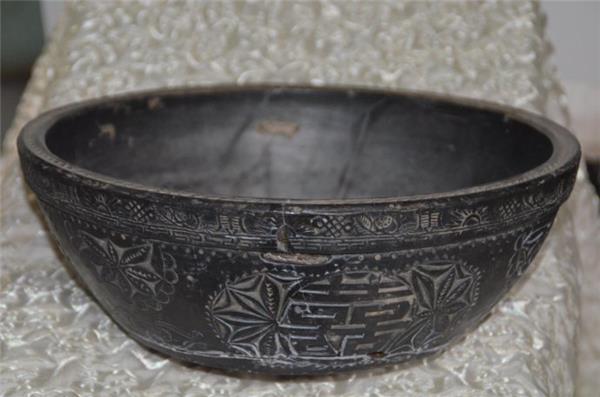
Glazed ceramic pots: They come in many styles with harmonious tones and an antique aesthetic. Their drainage and aeration are worse than unglazed fired pots but better than porcelain pots, and they are also more expensive. They are mostly used for growing precious indoor flowers or for planting tree-stump bonsai. Glazed ceramic pots come in many types and shapes, including square, round, oval, rectangular, censer-shaped, scroll-tube-shaped, and shaped sculptures. Due to variations in firing temperature and different production techniques, they can be made in many colors such as iron-blue, purple-copper, celadon-gray, ink-green, and crabapple-red; some even have gold powder or silver powder added during firing, giving them a glittering golden sheen; some pots are also engraved with calligraphy, characters and paintings, or processed into three-dimensional patterns such as cloud motifs, jade carvings, or bronze ware styles. When purchasing, you should choose the corresponding color and shape according to the overall decorative style of your room, so as to achieve classical elegance and generosity as well as modern simplicity, brightness, and distinctive character.
Unglazed clay pots: Generally, clay pots are better than porcelain pots for growing flowers. Clay pots are not only economical and practical, but because there are many tiny pores in the pot walls, their air permeability and water seepage performance are ideal, which is good for the decomposition of fertilizer in the potting soil and for root respiration and growth. Both blue and red clay pots are used the same way, but you should pay attention to the quality of the clay pot. Generally, those with fine clay, suitable firing, a crisp sound, and a glossy surface are better, and this kind of clay pot is sturdy and durable. Poor-quality clay pots are misshapen, underfired, uneven in color, and dull in sound, cannot withstand water and fertilizer erosion, and will soon become brittle and crack. If the drainage hole bulges inward and the bottom of the pot is uneven, it easily causes water accumulation, which is bad for growing flowers.
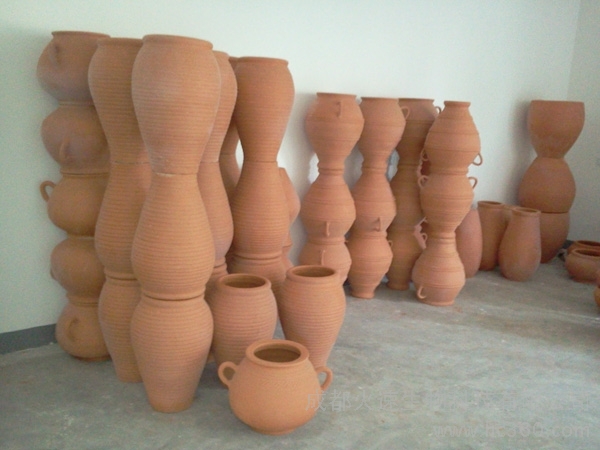
Red terracotta pots: Their air permeability is similar to that of clay pots. Their common drawback is that once the pot is small, it is so breathable that it has weak water retention and dries out very easily.
Plastic pots: Their air permeability is poor. In addition to using ventilation tubes, another solution is to poke holes with a needle in the middle and lower part of the pot body. If you want it to look nice, you can first draw a simple line pattern on paper, then stick it on the flower pot, and poke holes densely along the pattern lines. This is both attractive and breathable. Do not poke holes in the upper part of the pot, as it easily leaks water.
Porcelain pots and glazed pots: When using glazed flower pots to grow flowers and plants, the outer wall of the pot is coated with colored glaze, which is not breathable or water-permeable, making it difficult to judge the moisture level of the potting soil. Especially during winter dormancy, excessive watering often causes the flowers and plants to rot at the roots and die. Therefore, they are not suitable for growing flowers and plants. Because porcelain pots are beautiful in appearance and diverse in shape, they can generally be used as decorative outer pots for displaying flowers and plants.
Wooden pots: Wooden pots have good air permeability and drainage performance, but attention should be paid to wood preservation and insect infestation, so as not to affect the normal growth of plant roots and cause pest damage. However, because succulents generally need more sunlight and are not watered too wet, advanced succulent growers will not have much of a problem even if they use wooden pots.
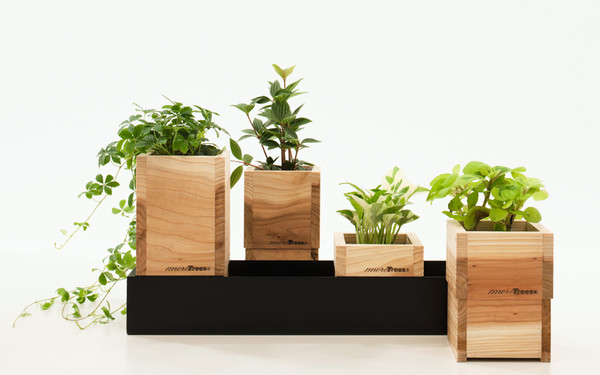
If none of the above flower pots are what you want, then you can use things around you to make flower pots, which is also very interesting. Some people use drink cans as flower pots, which is very pretty; using colorful wall lamp shades as flower pots is also very unique; and some people use ceramic mugs as flower pots, which is especially ingenious.