A Detailed Guide to Growing Plants in Glass Vases with Water
Some plants that can be grown in water, such as clivia (Clivia miniata), hyacinth, lucky bamboo (Dracaena sanderiana), alocasia (Alocasia macrorrhizos), spider plant, and pothos, can all be cultivated in glass vases with water, which makes them look both clean and elegant.
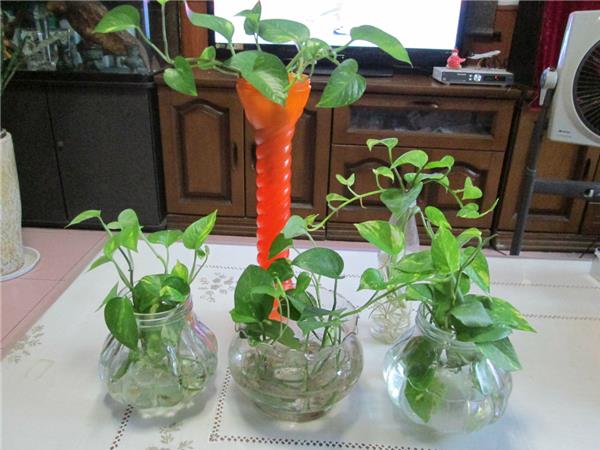
Plants That Can Be Grown in Glass Vases with Water
Clivia (Clivia miniata): When it comes to famous greenhouse flowers, water-cultured clivia is certainly not to be left out. The flowers of water-cultured clivia are not as magnificent as peonies, nor as fragrant as jasmine, and certainly not as colorful and graceful as roses. However, its leaves are verdant and glossy, and the plant is elegant and refined, with the bearing of a gentleman; its flowers resemble orchids, beautiful and dignified, and it is shade-tolerant. It is suitable for indoor display in pots, valued both for its foliage and its flowers, and is also an ideal potted flower for decorating conference venues and hotel environments. It also purifies the air and has medicinal value.
Hyacinth: Hyacinth is also known as Dutch narcissus, Western narcissus, and five-color narcissus, which inevitably reminds one of the narcissus that lives in water. So is the hyacinth that lives in water even more beautiful than the narcissus? Water-cultured hyacinth is one of the easiest flowering varieties to grow among water-cultured flowers. Grow the hyacinth in a specially made glass vase shaped like a gourd; on top you can admire the hyacinth's flower clusters, and below you can see a bundle of thick white roots. Moreover, hyacinths come in many colors, so there is a wide choice available. In addition, the symbolism of the hyacinth is also very good; they represent positivity and a love of life. When they bloom, they symbolize the arrival of spring and inspire people. Start water culture from November, and they will bloom after about 70-80 days, with a fragrance.
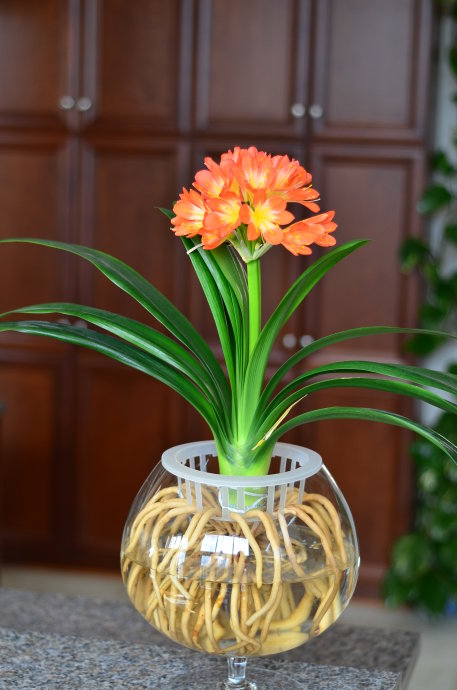
Steps for Planting Water-Cultured Plants in Glass Vases
1. Remove from soil and wash the roots: Take the selected plant out of the soil, shake and pat it gently, then soak it in clean water for 15-20 minutes, then gently rub and wash the roots with your hands, changing the water 2-3 times until the roots are completely free of soil. When washing the roots, it is best to use running water to reduce damage to the roots and to make them easier to clean thoroughly.
2. Choose a container: According to the variety, form, size, flower color, and other characteristics of the water-cultured plant material, choose a round glass jar, glass bottle, glass basin, or other container.
3. Place in water: Put the washed plant, roots and all, into the chosen container, and secure the roots. You can choose simple yet attractive stones such as colored stones or Yuhua stones. Add tap water until it covers 2/3 to 1/2 of the root system. At first, change the clean water every day, and wash the roots and container at the same time; after one week, reduce the frequency of water changes. Once the cultivated flower grows new roots in the water, it means it has adapted to the water-culture environment, and you can change the water every 7-10 days, or even less frequently.
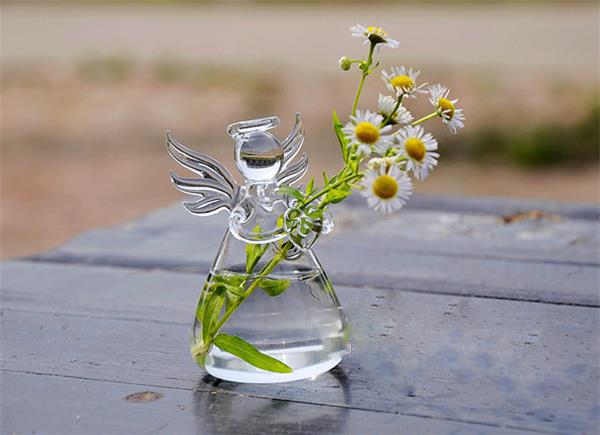
Appendix: Some Rather Attractive Glass Vases
European-style wavy-mouth vase: Beautiful in its freshness, excellent in its craftsmanship. The clear bottle better sets off the delicate, dewy flowers. The refraction between the wavy ridges is most wonderful, and it suits furniture of many styles, whether minimalist or vintage. Using the principle of three-dimensional light harmony, these subtle yet powerful rays pass through the three-dimensional bottle body, and the use of contrasting colors is very striking.
European-style swan vase: Place a few small flowers on your office desk, and the lingering fragrance will lift your mood; place it at home or on the dining table, and it becomes a beautiful scenic touch. A minimalist and stylish vase; put in a rose from your loved one, and it is sweet and warm. Paired with white stones and pebbles or acrylic, your whole vase will be even more perfect.
Chinese-style cylindrical vase: The cylindrical glass vase, with its transparent glass texture, brings a touch of coolness to the room. The craftsmanship is exquisite, and both the feel and texture are very comfortable. The slender cylindrical design is simple and elegant, and can be paired with all kinds of flowers. Its clean shape suits a variety of home styles.
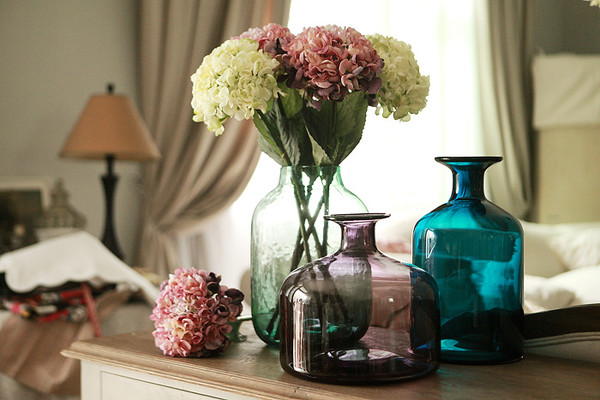
Of course, glass vases also need to be well matched with aquatic plants so that they can enhance each other's ornamental value. In this regard, we can arrange them according to our own preferences, and in this way the plants can better serve to decorate and green our homes.