How to Grow a Pepino Melon Tree? Detailed Guide to Planting and Care
The fruit quality and fruit-setting rate of any fruit tree are tied to how suitable the planting and care are, and the pepino melon tree (Solanum muricatum) is certainly no exception. Let's learn some pepino melon tree planting and care techniques together below.
Planting Techniques for the Pepino Melon Tree
1. Sowing: Mix an appropriate amount of base fertilizer into the plot or wooden box where you plan to raise pepino melon seedlings, work the soil fine and water thoroughly with fertilizer solution, then place the tiny seeds one by one into the soil with tweezers, at a seed spacing of 7-10 cm, and cover with moist fine sand. Afterward, when the bed surface dries, spray it moist with a sprayer to avoid disturbing the seeds, and seedlings will emerge uniformly in 7-15 days; if there are pests, use trichlorfon or fenvalerate to kill them, and transplant when the seedlings reach 10 cm. The quality of pepino melon seedlings is quite crucial to planting; they must be virus-free seedlings raised under expert guidance, and a series of measures must be taken to keep the seedlings vigorous before they can be introduced for planting. In some places the yield is low mainly because of weak seedlings and virus-infected seedlings, and because virus-free treatment is not carried out according to procedures. Therefore, you must introduce seedlings from a certified seedling-raising supplier.
2. Cuttage: Choose fresh, tender stems and branches from high-yielding plants with good genetic traits, free of disease and damage, so as to encourage new roots and new shoots. Although the pepino melon can be propagated by cuttage all year round, spring planting and autumn cuttage give the highest survival rates. For cuttage during the day, it is best to do it after 4 p.m. to improve the survival rate. The suitable temperature for cuttage is in the range of 15-30°C. Before cuttage, to improve the survival rate, the cuttings can be soaked in growth hormone. When cutting, insert the cuttings straight into the soil, then cover with soil and press firm, leaving the cuttings exposed about 4-6 cm above ground, with a row spacing of about 10-15 cm and a plant spacing of about 6 cm. After cuttage, water promptly; the amount of water can be decided according to the specific situation.
Methods of Raising Pepino Melon Seedlings
1. Management after sowing: Sprinkle another layer of fine sand over the bed surface to cover the seeds. If the temperature is below 12°C, cover with plastic film to maintain soil temperature and soil moisture. If the seedling bed is dry, spray with fine water to aid germination, and never use large amounts of water for sprinkler irrigation. After the seedlings emerge, the plastic film must be removed. To avoid scorching sun exposure, shade netting can be set up. During the seedling period, generally every 10 days or so, spray once with low-concentration nitrogen fertilizer, and at the same time strengthen field management and control pests and diseases to ensure the seedlings grow vigorously.
2. Management after cuttage: When cutting from late spring to summer and autumn, shade should be provided to prevent scorching sun exposure, and fine water should be sprayed; after the seedlings grow new roots, the shading materials can be removed. If cutting in winter or when the temperature is relatively low, to prevent cold damage, it is best to do it in a solar greenhouse or plastic greenhouse, with a small arched shed covered with plastic film and straw curtains. After the seedlings take root, apply decomposed human manure and urine water as a top dressing to promote new roots and new shoots. When external environmental conditions are suitable, about 20-30 days after cuttage, field planting or seedling transplanting can be carried out.
Pest and Disease Control for the Pepino Melon Tree
1. The pepino melon has relatively strong resistance to pests and diseases, but when pests and diseases occur severely, it can also be threatened and become infected, causing poor plant growth and development, flower and fruit drop, and low fresh fruit yield. So ordinarily you should follow the principle of "prevention is more important than treatment, combining prevention and treatment," and carry out targeted control work according to the local patterns of pest and disease occurrence. When pests or diseases occur, diagnose them early and choose highly effective, low-toxicity pesticides. In specific operations, treatment should be early rather than late, and the dosage should be small rather than large; the pesticide should preferably not contain dimethoate.
2. The pepino melon is relatively disease-resistant; generally there are more insect pests and fewer diseases. Diseases include downy mildew, sclerotinia rot, phytophthora, and gray mold, while insect pests mainly include mites, thrips, aphids, and whiteflies. Diseases can be controlled with carbendazim, thiophanate-methyl, phosethyl-Al, chlorothalonil and other pesticides; for insect pests, insecticides such as pirimicarb can be used for foliar spray control, but dimethoate or dichlorvos must never be used, because the pepino melon is especially sensitive to these pesticides and they can cause devastating pesticide damage. When plants stop growing and develop stunted disease, kemeite can be sprayed.
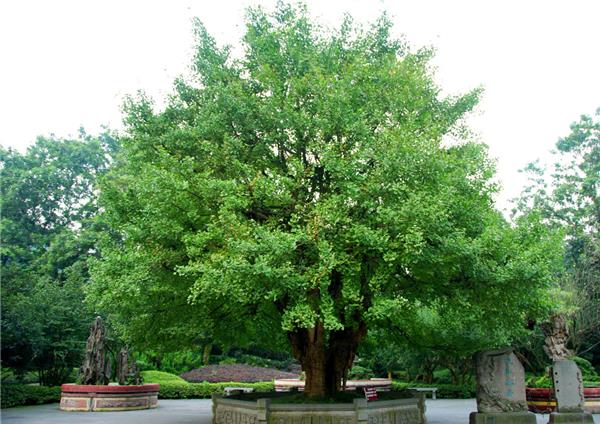
Overall, the pepino melon tree is still relatively easy to grow. As long as daily care is done properly, it does not easily contract insect pests and diseases, making it a fruit tree species that even beginners can try to grow as long as they are careful and meticulous.