Analysis of the Key Cultivation Techniques for Christmas Cactus
What are the cultivation techniques for Christmas cactus? After all, the Christmas cactus blooms in winter and attracts a lot of people's attention, and interest in growing it has arisen too. So, what are the cultivation techniques for Christmas cactus? Let's take a look together.
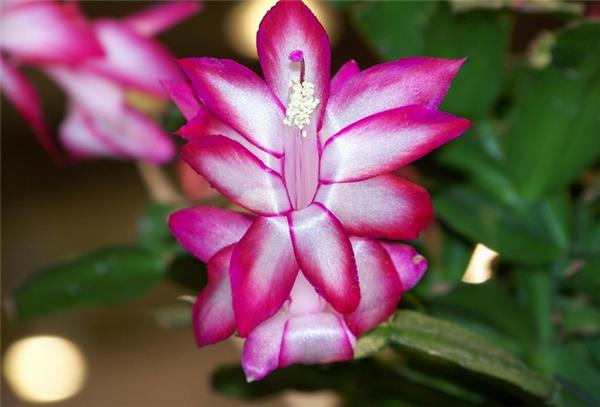
I. Cultivation Techniques for Christmas Cactus
First, watering. Christmas cactus is not tolerant of waterlogging, so it must not be watered too much. If watered too much, its roots rot very easily; when grown in a pot, there must be no standing water in the pot, and before watering you must check whether the potting soil has already dried out. Water again after it dries. When watering, there is one point to note: do not spray water directly onto the leaves.
Second, sunlight. Christmas cactus likes light and is also very shade-tolerant, so it does not have high light requirements; placed indoors with some scattered light is enough. But in summer, you must pay attention to sun protection. Be sure to prevent it from being exposed to direct sunlight, otherwise it will be greatly damaged. In the other seasons, placing it in a bright spot is enough for it to grow very well. But after it blooms, it must be placed in a cool, shaded spot, otherwise the flowering period will be shortened.
Third, potting soil. Christmas cactus likes a semi-shaded environment, so when using potting soil for planting, pay attention to drainage; drainage must be good, and the soil must be loose and breathable. It is best to mix peat soil and fine sand together, as this is more conducive to the absorption needed for growth.
Fourth, pruning. Christmas cactus grows relatively fast, and under normal conditions it quickly reaches more than 50 cm. So we need to prune it to control the plant shape. After thinning and cutting back, the new stems that grow out will be a fresher green and more robust.
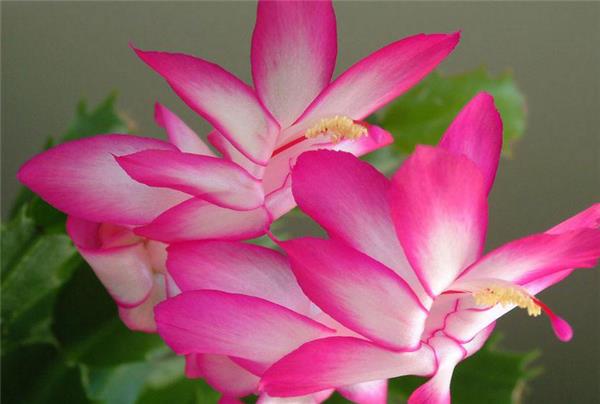
II. Precautions for Cultivating Christmas Cactus
In summer:
1. Strengthen air convection so that the heat inside the plant can be released;
2. Place it in a semi-shaded spot, or give it 50% shade;
3. Give it appropriate misting, 2 to 3 times a day.
In winter:
1. Move it indoors to a brightly lit place for care;
2. Outdoors, you can wrap it in plastic film to overwinter, but every two days at noon when the temperature is higher, uncover the plastic film to let it breathe;
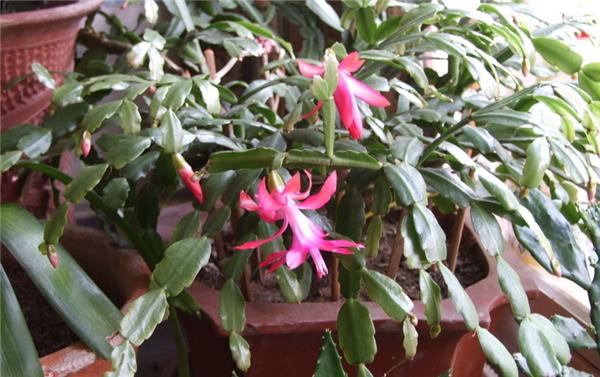
III. Grafting Christmas Cactus
1. Grafting should be done on a sunny day, with a temperature of around 20°C as suitable.
2. For the rootstock used in grafting, a large, thick cactus is better; it is cold-resistant, has strong affinity, and is easy to keep alive and grow vigorously; the rootstock should be 30 cm above the pot surface as suitable, to facilitate later hanging and trailing.
3. The scion leaves should be chosen in tender green, which gives a high survival rate and good growth; the scion should use leaf segments that are about to bloom, and graft one segment at a time rather than one leaf, so that it can bloom in the same year.
4. When grafting, the rootstock should be cut first, then the scion trimmed, to shorten the time of water evaporation and help survival; Christmas cactus segments are rather flat and thin, so it is not suitable to cut them with a knife; use a sharp blade to scrape lightly.
5. After inserting the scion into the rootstock, pinch the joint tightly so that it adheres; tie it with appropriate tightness, leaving no gaps; in a dry environment, you can cover it with a plastic bag for 3 to 4 days.
6. 2 to 3 days after grafting, if the joint is good and there are no abnormal signs, the binding can be removed. After loosening the binding, place it in a shaded spot and observe carefully for 20 days. When you confirm it has survived, water it thoroughly once, then move it to a sunny spot for normal management.
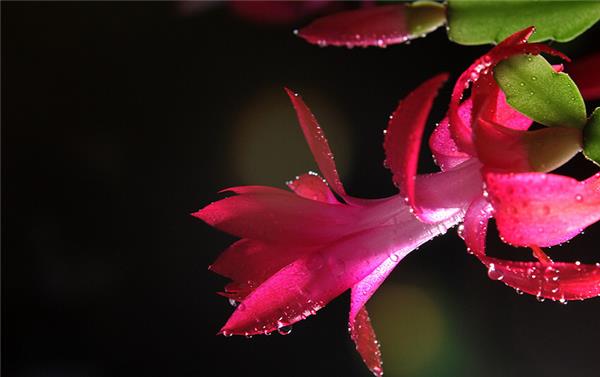
The above is a detailed record of the cultivation techniques and precautions for Christmas cactus. I hope it is helpful for your Christmas cactus growing, so that you can enjoy spring-like warmth even in the cold winter.