How to Grow Jasmine? Detailed Guide to Planting Methods and Precautions
How should jasmine be grown? Everyone is familiar with jasmine, but the specific steps are not very clear. Next, let us explore the planting methods and precautions for jasmine together.
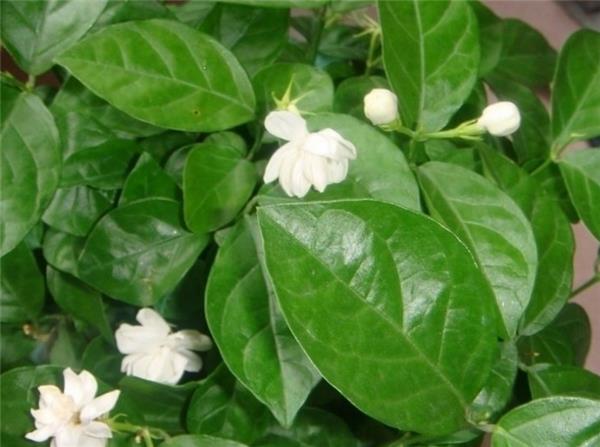
I. Jasmine planting methods
Temperature management
Jasmine is quite sensitive to temperature. It likes warm, hot and humid climates and can tolerate relatively high temperatures, but it fears low temperatures and has poor drought resistance. Potted jasmine in the jasmine garden should all be moved into multi-span greenhouses in early November. Small arched sheds should be set up inside the greenhouses, covered with straw curtains, and normal ventilation should be provided during the day to release moisture. Generally, no heating is needed at night, but when the outdoor low temperature reaches -5°C or above, water should be boiled inside the greenhouse for steam heating so that the temperature inside the greenhouse is not lower than 0°C.
Pot type
The pots are mainly plastic pots, and the survival rate of jasmine reaches 90%. The survival rate with clay pots is about 80%, and the growth vigor is not as strong as that of plants in plastic pots. The leaves are smaller and it is not drought-tolerant, so it basically needs watering every day. Analysis of the reason: because clay pots are gray-black, they easily absorb heat under direct sunlight. At noon on sunny days, the body of a clay pot is about 5°C higher than that of a plastic pot, and the soil temperature in the pot is also 3-4°C higher. Therefore, when planting in the open air, white, non-heat-absorbing plastic pots are better.
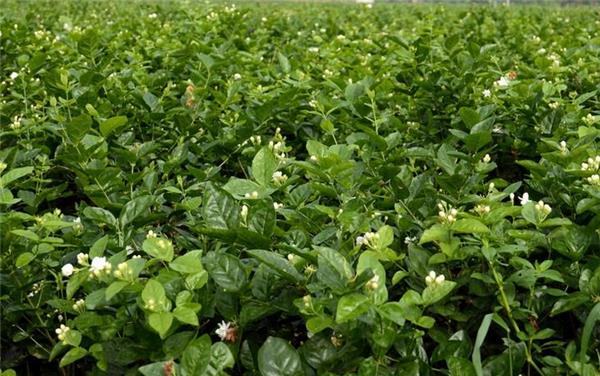
Shade coverage
During the germination period of jasmine (late May), shade nets should be used for coverage. Direct sunlight easily causes drought, and branches easily lose water, which has a relatively large impact on the sprouting of new buds. Therefore, in the early stage of planting, covering with shade nets and maintaining humidity helps the buds sprout quickly.
During the growth period of jasmine (late June), shade nets are not used. Jasmine is a light-loving plant, so during its growth period, strengthening light is beneficial to its growth and development.
II. Precautions for planting jasmine
1. Fertilization precautions: During jasmine cultivation, special attention should be paid to fertilizing it. Generally starting in May, apply dilute soybean cake water once every 7 days. During the bud-setting and flowering periods, apply light fertilizer frequently, about once every 5 days. Stop fertilizing starting in October. In the rainy season, when cultivating outdoors, switch to applying dry fertilizer, such as soybean cake powder (loosen the surface soil in the pot, add soybean cake powder, and cover it with soil).
2. Watering precautions: Jasmine also likes acidic soil. During the growth period, apply 0.2% ferrous sulfate water once every 10 days to maintain soil acidity. Proper water regulation is the key to cultivating jasmine: jasmine likes moisture and fears waterlogging. If the pot soil is too wet, it easily causes root and leaf rot and even death.
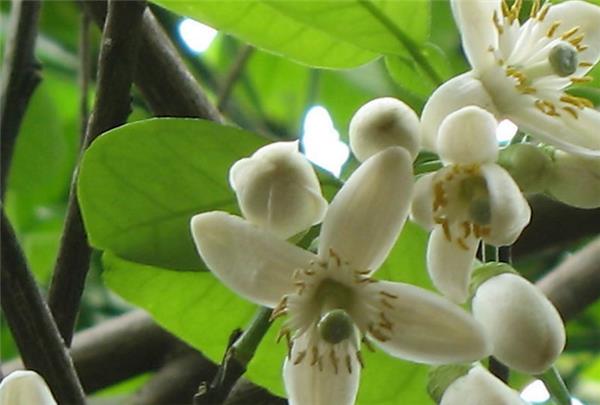
3. In winter, place jasmine in a warm, sunny place to prevent the plant from suffering freeze damage. A plastic bag can also be used to cover the whole plant tightly, and cutting a small hole at the top can also help preserve heat, retain moisture and prevent freezing. Applying more phosphorus and potassium fertilizer can improve the cold resistance of potted jasmine.
4. If jasmine only grows branches and leaves but does not bloom, it is generally because too much nitrogen fertilizer was applied or there is a lack of sunlight. Therefore, when jasmine enters its vigorous growth period, the amount of nitrogen fertilizer applied should be strictly controlled, and it should be exposed to more sunlight to avoid excessive vegetative growth.
III. Harvesting, storage and transportation of jasmine
(1) Harvesting standard for jasmine: fresh buds that are pure white and plump, about to bloom, and able to open and release fragrance that same evening. Harvest jasmine one flower at a time as it matures. The harvested fresh flowers are required to have flower buds and flower stalks, with no diseased or pest-damaged buds, no yellow or green buds, and no stems, leaves or other debris.
(2) Storage and transportation: When picking fresh jasmine flowers, use ventilated bamboo baskets and nylon mesh bags for holding them. Avoid exposure to sunlight, store in a cool place, and sell promptly after picking.
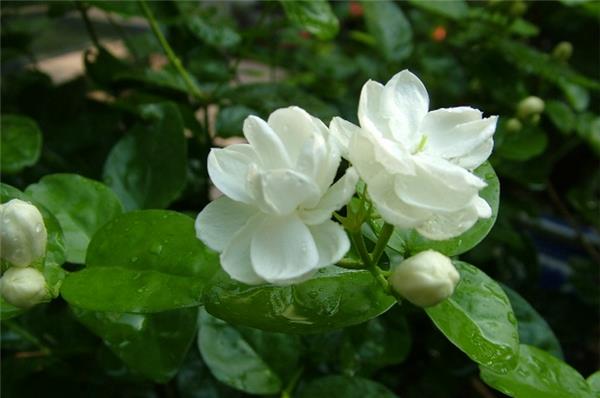
The above provides some understanding of jasmine planting methods and cultivation precautions. We hope that while you like jasmine, you can also personally try to learn about growing jasmine yourself.