What are the benefits and effects of osmanthus tea? Read this article to find out
Osmanthus contains abundant aromatic substances, such as Y-decalactone, alpha-ionone, beta-ionone, trans-linalool oxide, cis-linalool oxide, linalool, and more. These substances can dissolve fat and eliminate foul odors in the mouth. Therefore, decocting osmanthus with tea leaves and drinking the infusion is a method that treats both the symptoms and the root cause. It removes bad breath quickly and effectively, and patients would do well to try it. So what exactly are the benefits and effects of osmanthus tea? Let's take a look together.
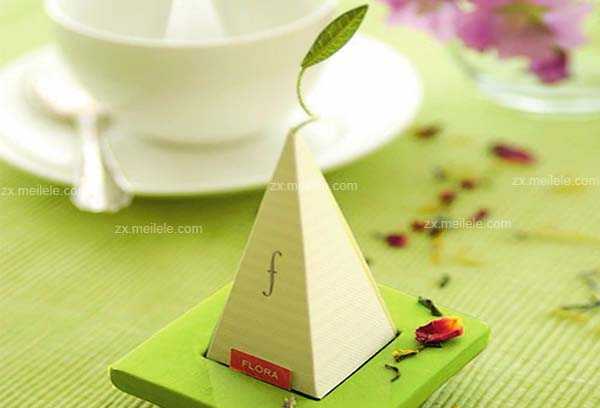
Benefits and effects of osmanthus tea: treating bad breath and toothache:
1. There are two causes of bad breath: (1) a lack of ascorbic acid in the body; (2) dental caries, gum inflammation, and the like. In addition, oral abscess tumors, lung abscess, diabetes, and gastrointestinal diseases can all cause bad breath, but this is related to a lack of ascorbic acid. Ascorbic acid, also known as vitamin C, is an important substance for preventing bleeding and treating scurvy.
2. The daily vitamin C requirement for a typical adult is 60-65 mg. If this cannot be met over the long term, it will cause bad breath in mild cases and septicemia in severe cases. Tea leaves are rich in vitamin C and can supplement the body's vitamin C deficiency, so drinking it regularly can prevent and treat bad breath. In addition, tea leaves contain about 20-30% tea polyphenols and a small amount of aromatic substances, which can also eliminate bad breath. Tea polyphenols can coagulate bacteria and astringe oils; aromatic substances can dissolve fat and eliminate foul, gamey odors in the mouth.
3. Traditional Chinese medicine holds that bad breath is mostly caused by stomach fire, damp turbidity, and phlegm qi, while tea leaves are best at reducing fire and draining dampness, transforming phlegm and resolving greasy stagnation, and also have antibacterial and anti-inflammatory effects. The aromatic nature of osmanthus is well known; as a medicinal agent it has the effects of promoting fluid production and transforming turbidity, warding off odors and resolving phlegm, and it is an excellent remedy for dispelling filth and eliminating bad breath. In "Pharmacology of Chinese Materia Medica," the function of osmanthus is described as "treating bad breath and blurred vision." Osmanthus eliminates bad breath, and this is related to the components it contains.

Benefits and effects of osmanthus tea: beauty and weight-loss benefits:
I believe we women are rather interested in whitening and weight loss, and osmanthus tea can whiten the skin while also removing toxins from the body and relieving constipation, achieving a weight-loss and body-shaping effect.

Benefits and effects of osmanthus tea: health-care benefits:
Osmanthus, which gives off a rich and enchanting floral fragrance, can soothe tension. Drinking it regularly can purify body and mind, balance the nervous system, and achieve a refreshing effect. Even during a busy break, smelling the light fragrance of osmanthus tea will lift your mood.
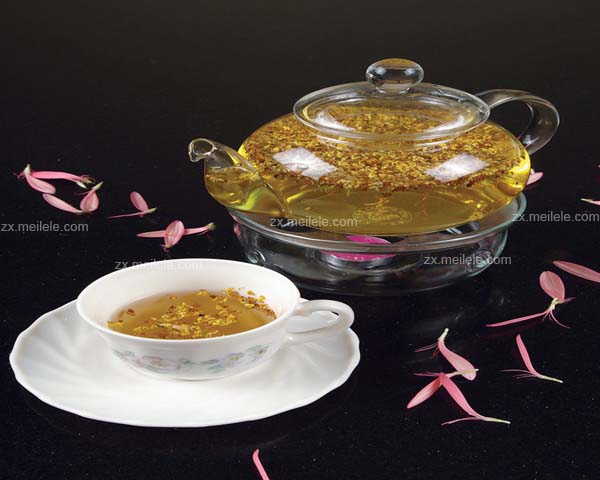
Benefits and effects of osmanthus tea: anti-cancer, clearing heat and detoxifying, dispelling wind and dispersing cold, moistening the spleen and awakening the stomach, and improving appetite:
It is effective for awakening the stomach, promoting fluid production and relieving cough, resolving phlegm, relieving pain, and regulating qi. It can strengthen the stomach and regulate the intestines, and ease gastrointestinal diseases such as duodenal ulcers, gastroptosis, and abdominal bloating. It can also treat dry mouth and tongue and bloating, thereby nourishing the body and moistening the lungs and eliminating gastrointestinal discomfort. It can also treat symptoms such as fright in children, stomachache, toothache, and bad breath.
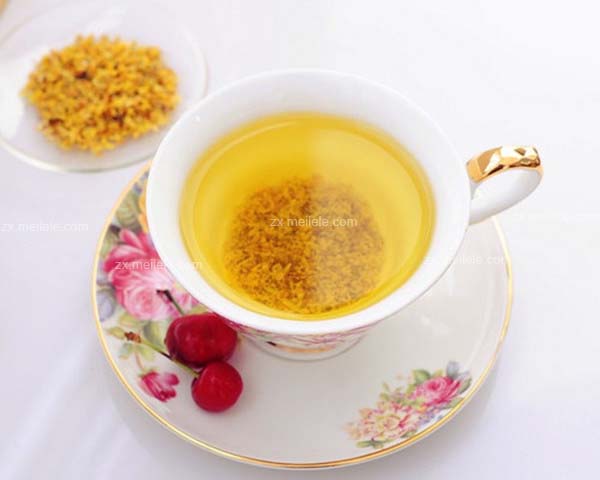
Conclusion: Osmanthus tea is a precious scented tea made by scenting refined green tea with fresh osmanthus flowers. Its fragrance is rich and lasting, and the tea color is green and bright, making it deeply loved by everyone. After the osmanthus flower centers are roasted using traditional techniques, they turn golden yellow, about the size of millet grains, with a lasting fragrance. Osmanthus tea is not only tasty but also has quite a few benefits and effects.
More plant information>>
| Cuban oregano | Marigold cultivation | How to care for the happy tree | Flower pictures and names | Benefits of pothos flowers | Bowl lotus |
| Orange jasmine bonsai | How to grow Christmas cactus | How to grow cactus | How to care for gardenia | Benefits of lavender |