A Complete Analysis of the Benefits and Uses of the Chinese Rose
The Chinese rose is not only valued for its ornamental beauty; its medicinal value and other uses are highly beneficial as well, and it is known as a good medicine for gynecological health. In traditional Chinese medicine, the Chinese rose is considered sweet in flavor and warm in nature, entering the liver meridian, with the benefits of invigorating blood and regulating menstruation, reducing swelling and detoxifying. Because the Chinese rose has obvious effects in removing blood stasis, promoting qi flow and relieving pain, it is often used to treat conditions such as irregular menstruation and dysmenorrhea. So what exactly are the benefits and uses of the Chinese rose? Below, the editor will explain them one by one, and female friends in particular should not miss this.
Benefits and Uses of the Chinese Rose: Invigorating Blood and Regulating Menstruation
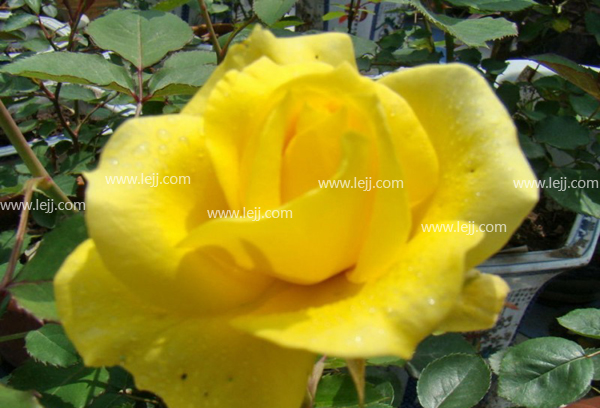
The Chinese rose is a common good medicine for gynecological health. In traditional Chinese medicine, the Chinese rose is sweet in flavor, warm in nature, enters the liver meridian, and has the benefits of invigorating blood and regulating menstruation, reducing swelling and detoxifying. Because the Chinese rose has obvious effects in removing blood stasis, promoting qi flow and relieving pain, it is often used to treat conditions such as irregular menstruation and dysmenorrhea. Combined with bitter orange flower, the Chinese rose is an even better remedy for menstrual disorders caused by disharmony of qi and blood.
Benefits and Uses of the Chinese Rose: Reducing Swelling and Detoxifying
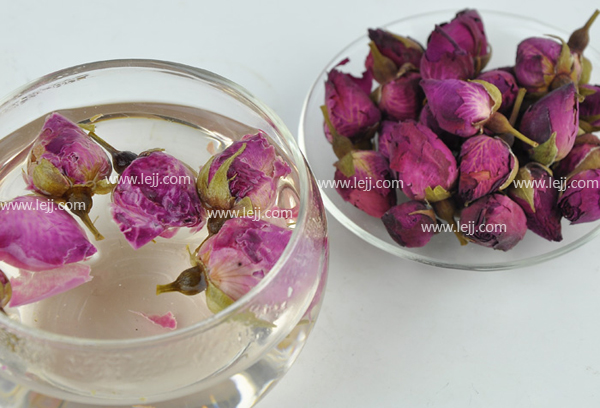
The Chinese rose is sweet in flavor, can relieve acute conditions and detoxify, and also has the benefit of invigorating blood. For carbuncles, swellings and sores, it has the effect of reducing swelling and relieving pain; for scrofula and toxic swellings, it shows the benefit of invigorating blood, dispersing stagnation and reducing swelling. Applied externally as a fresh preparation, its effect is remarkable.
Benefits and Uses of the Chinese Rose: Improving Microcirculation
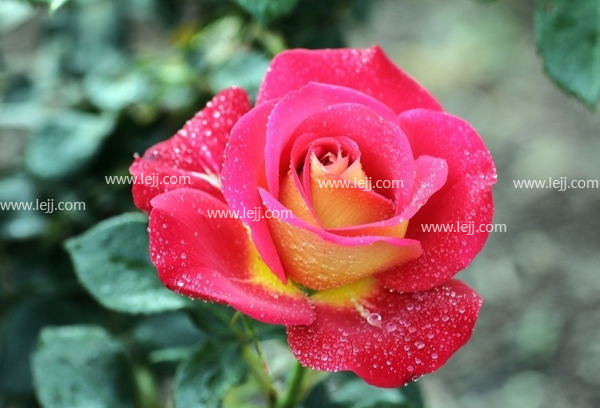
Modern pharmacological research shows that the Chinese rose has an analgesic effect, can improve microcirculation, increase blood flow and the metabolism of connective tissue, and reduce platelet aggregation, so using the Chinese rose to help regulate thick blood also has a certain therapeutic effect. People with weak spleen and stomach can appropriately add brown sugar to Chinese rose tea.
Benefits and Uses of the Chinese Rose: Beauty and Skin Care
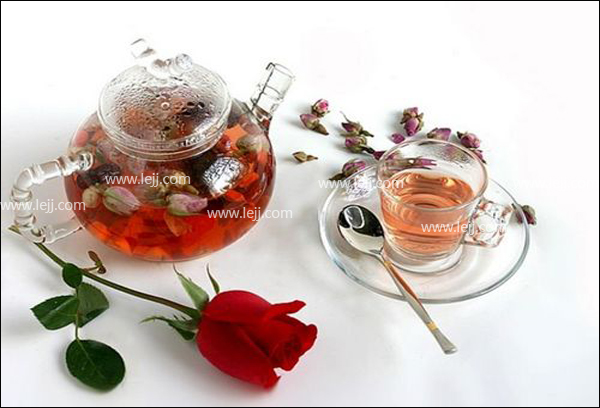
The Chinese rose also has beauty and skin care benefits. Women who love beauty can use 2-3 dried purple-red Chinese rose flower buds (remember, they must be dried) and steep them in boiling water to drink as tea; the complexion will become fair with a rosy glow, and the lips will also become rosy.
Benefits and Uses of the Chinese Rose: Antifungal

In fact, the Chinese rose also has a relatively strong antifungal effect. At a concentration of 3%, it already has an antibacterial effect against 17 kinds of fungi. The effective antibacterial component that has been isolated is gallic acid.
Benefits and Uses of the Chinese Rose: The "Linking" Role
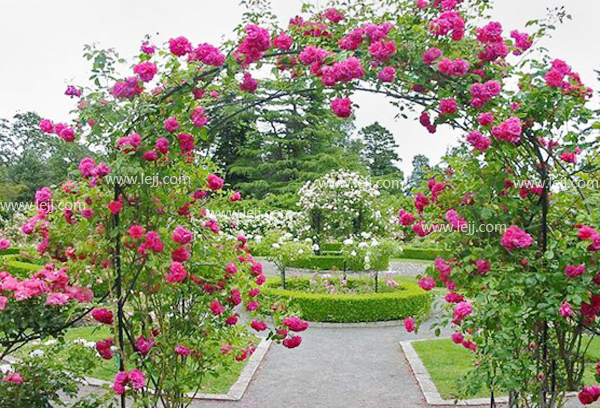
Because of its climbing growth habit, the Chinese rose is mainly used for vertical greening and has a unique role in garden streetscapes. If it can form pleasing walkways and flower columns, and be made into various arch-shaped, grid-shaped and frame-style supports for the Chinese rose to climb on, then after proper pruning and shaping it can also decorate buildings, becoming a clever "link" connecting buildings with the garden.
Benefits and Uses of the Chinese Rose: Environmental Protection
The Chinese rose can be made into continuous flower hedges, flower screens, flower walls and so on for greening in places such as government offices, schools, residential communities and urban plazas. It not only purifies the air and beautifies the environment, but can also greatly reduce noise pollution in surrounding areas and alleviate the urban greenhouse effect in the hot summer.
Conclusion: The above is the editor's introduction to the benefits and uses of the Chinese rose. It is truly very useful for female friends. The Chinese rose can be called a good companion for beautiful girls. Beauty-loving ladies, hurry and let the Chinese rose make you even more beautiful. For more information, you can also visit Lejiaju website.
Recommended reading:
| The Language of Red Roses | Plants That Remove Formaldehyde | The Benefits of Golden Pothos Flowers | Benefits and Uses of Hangzhou White Chrysanthemum | When Do Lotus Flowers Bloom |
| Benefits and Uses of Jasmine Tea | Lucky Tree Pictures | The Benefits of Lavender | The Language of Small Daisies | The Benefits of Kunlun Snow Chrysanthemum |
| How to Grow Guzmania | How to Grow Clivia | How to Grow Ivy | Planting Ginkgo Trees | Orchid Varieties |
| Are Carnations Easy to Grow? | How to Grow Bougainvillea | Benefits and Uses of Yellow Chrysanthemum | The Language of Gesang Flowers | Is Calla Lily Toxic? |
| What Plants Absorb Formaldehyde | Pictures of Potted Flowers | The Benefits of Jasmine Tea | Benefits and Uses of Costus Root | Hydroponic Lucky Bamboo |