What to Do When Lucky Bamboo Turns Yellow? Master These Treatment Methods
These days many people grow lucky bamboo as a potted plant at home and in the office. Besides its ornamental value, it can also make our indoor air fresher. But most people are not very good at caring for lucky bamboo, so what should you do when lucky bamboo turns yellow? This is a question many people ask. Today I bring you lucky bamboo growing methods so you can easily grow lucky bamboo well.
What to Do When Lucky Bamboo Turns Yellow
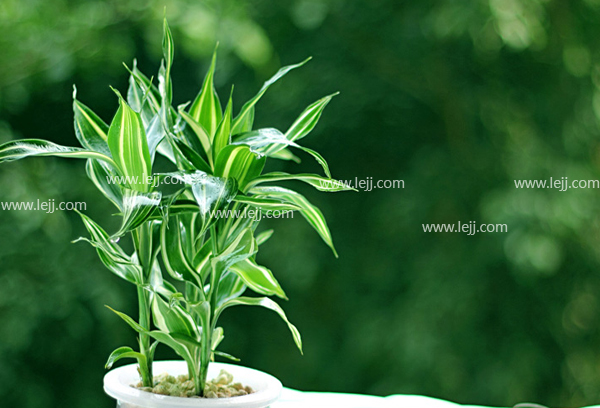
During the growth of lucky bamboo, yellowing leaves often appear. What should you do when lucky bamboo turns yellow? The cause is mostly a disruption in cultivation and management. Too much or too little water, sunlight that is too strong or too weak, and too much or too little fertilizer can all cause lucky bamboo leaves to turn yellow, but the yellowing appears differently. You should carefully observe and analyze the cause, then treat it.
What to Do When Lucky Bamboo Turns Yellow: Water Yellowing
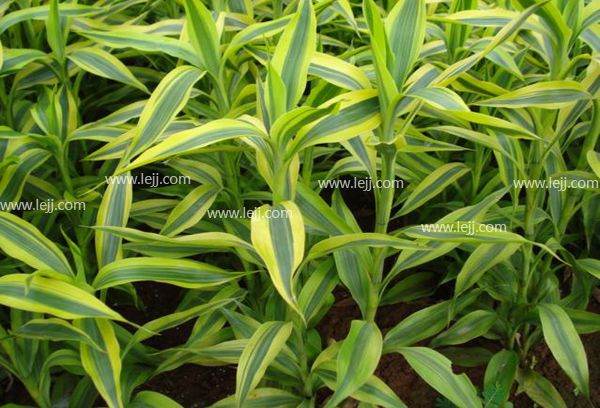
The young leaves turn dull yellow and lose their luster, while the old leaves show no obvious change; the stems look thin and yellow-green, and the new shoots shrivel and stop growing. These signs all indicate that the lucky bamboo has been overwatered. So what should you do when lucky bamboo turns yellow? In this case, take the plant out of its pot, place it in a ventilated, shady spot to let the root ball dry out on its own, and then put it back in the pot.
What to Do When Lucky Bamboo Turns Yellow: Drought Yellowing
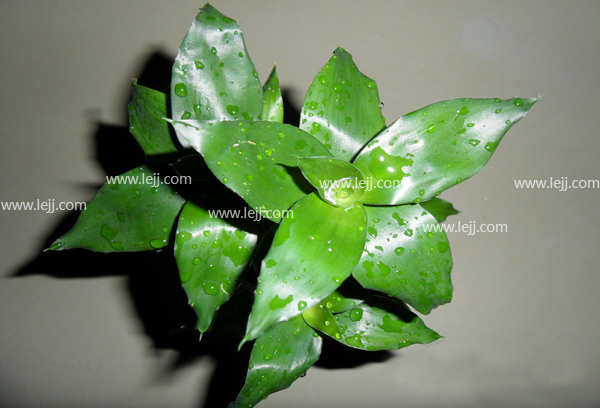
The yellowing from lack of water looks different from the yellowing from too much water. Yellowing from lack of water shows as withered, dried leaf tips or edges, while the old leaves turn yellow and drop from the bottom up, but the new leaves grow fairly normally. What should you do about this kind of lucky bamboo yellowing? Just make sure to water thoroughly and generously.
What to Do When Lucky Bamboo Turns Yellow: Light-Deficiency Yellowing
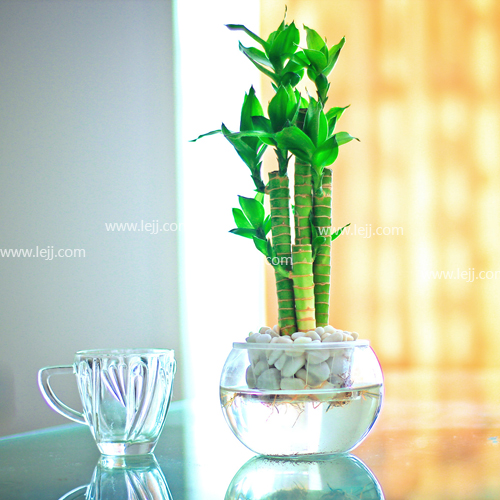
If lucky bamboo is kept in a shaded environment for a long time, the leaves cannot get enough sunlight, so they cannot form chlorophyll, which causes the whole plant's leaves to turn yellow and then drop. If this happens, what should you do when lucky bamboo turns yellow? It is simple: just add light and this problem can be avoided.
What to Do When Lucky Bamboo Turns Yellow: Fertilizer Yellowing
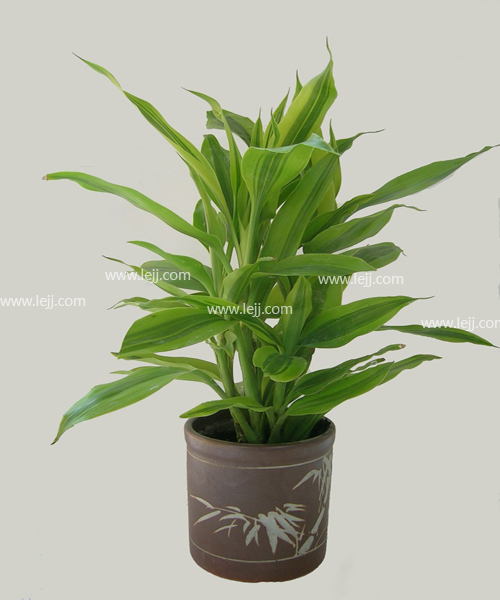
In fact, too much fertilizer or fertilizer that is too concentrated can also cause lucky bamboo to turn yellow. It mainly shows as dry brown tips on the new leaves, and the leaf surface is generally thick but lacks luster and is uneven rather than smooth, while the old leaves then scorch, turn yellow and drop. What should you do when lucky bamboo turns yellow from too much fertilizer? Stop fertilizing immediately, and if the case is severe, use a large amount of water to flush out some of the fertilizer.
What to Do When Lucky Bamboo Turns Yellow: Nutrient-Deficiency Yellowing
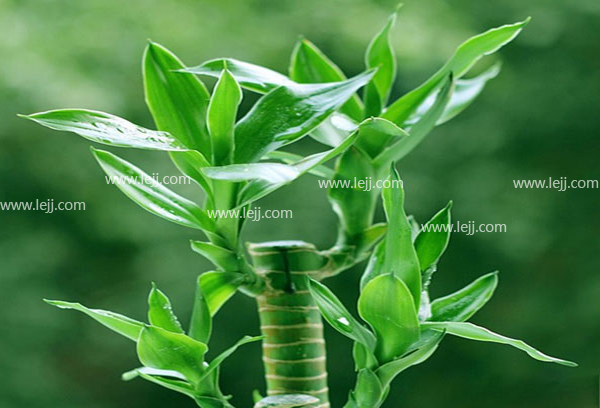
Nutrient-deficiency yellowing mainly shows as the young leaves fading in color, turning yellow or pale green, while the old leaves stay fairly normal or gradually turn from green to yellow. What should you do when lucky bamboo turns yellow from lack of fertilizer? At this point you should check the potting soil; if there is caking, change the soil. Usually apply light fertilizer frequently and water with a little alum water at the right time. Since lucky bamboo is a foliage plant, fertilizer should be mainly nitrogen-based.
Conclusion: The above is the collection I have put together on the causes of lucky bamboo turning yellow and the solutions. As long as you carefully observe the changes in your potted lucky bamboo, you can find out why it is turning yellow and treat the root cause, so you can better care for its healthy growth. For more home decor information, you can also visit Le Jia Ju website.
Recommended reading:
| Meaning of red roses | Plants that remove formaldehyde | Benefits of pothos flowers | Effects and benefits of Hangzhou white chrysanthemum | When do lotus flowers bloom |
| Effects and benefits of jasmine tea | Photos of Radermachera sinica | Benefits of lavender | Meaning of small daisies | Benefits of Kunlun snow chrysanthemum |
| How to grow Guzmania | How to grow clivia | How to grow ivy | Planting ginkgo trees | Orchid varieties |
| Are carnations easy to grow | How to grow bougainvillea | Effects and benefits of yellow chrysanthemum | Meaning of Gesang flowers | Are calla lilies toxic |
| Which plants absorb formaldehyde | Photos of potted flowers | Benefits of jasmine tea | Effects and benefits of costus root | Hydroponic lucky bamboo |