The Benefits and Uses of Mint and a Gallery of Pictures
Mint, also known by people as fish mint, mainly contains volatile oil components such as menthol and menthone; it can be used both as medicine and as food. Mint is pungent in taste and cool in nature, and has effects such as dispersing wind-heat, antibacterial and anti-inflammatory action, and strengthening the spleen and stomach.
The Benefits and Uses of Mint -- Benefits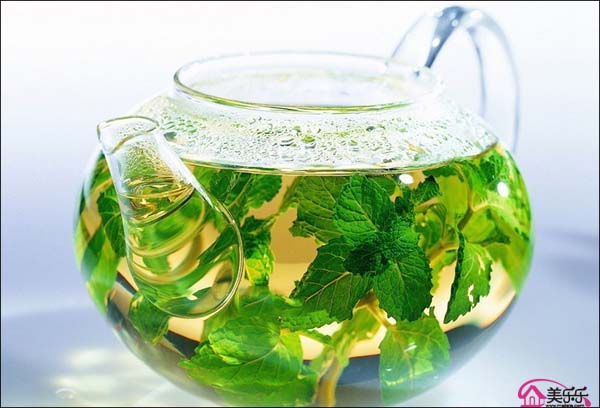
Mint not only has the effect of dispersing wind-heat and clearing and soothing the throat, it can also reduce inflammation and relieve pain, strengthen the spleen and stomach, and promote rash eruption and relieve itching. It mainly treats headache and dizziness, sore throat and hoarse voice, toothache, measles with incomplete rash eruption, and itching from hidden rashes. In addition, mint also has cosmetic benefits. Washing your hair with mint tea can eliminate dandruff, making the hair fresh and lightly fragrant. If you use dried mint leaves to brush your teeth over the long term, you can have a mouth of white, healthy teeth and fresh breath.
The Benefits and Uses of Mint -- Uses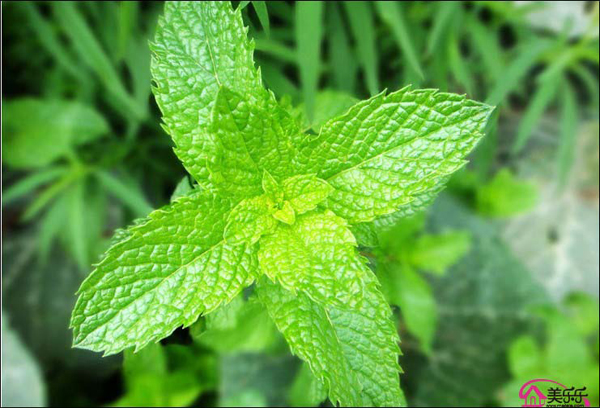
First, the medical and health-care uses of mint. The stems and leaves of mint are used as medicine, and have the effects of dispersing wind-heat, clearing heat and relieving the exterior, and soothing the throat and relieving pain. They are often used for wind-heat headache, wind-heat cold with poor rash eruption, and so on. Second, the anti-inflammatory and pain-relieving effect. Since the medical field proposed using "starvation therapy" to treat cancer in 2003, through scientists' research it was eventually found that mint can stop the growth of blood vessels at cancerous lesions, causing them to "starve" to death.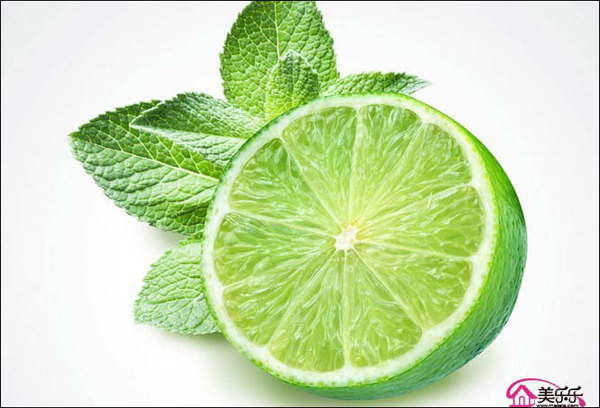
Third, in traditional Chinese medicine, mint is used as a diaphoretic and antipyretic. On scorching summer days, eating mint porridge can calm the mind and lift the spirits, increase appetite and aid digestion; it is especially suitable for middle-aged and older people, as it can both quench thirst and relieve summer heat. Fourth, it is a good helper for driving away mosquitoes and insects. There are especially many mosquitoes and insects in summer, so you can place mint plants by the window in the bedroom and spray some water on them every evening to fully release their fragrance, which will make the mosquitoes and insects flee.
The Benefits and Uses of Mint -- Precautions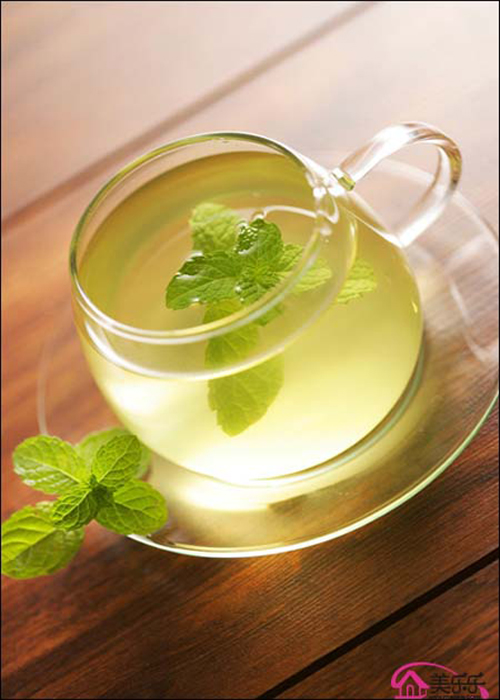
1. People with yin deficiency fever, blood deficiency dizziness, gastric ulcers, excessive gastric acid secretion, dental caries, and diabetes should use mint with caution.
2. Pregnant women should not consume mint in excess; when mint is decocted in water and drunk as tea, be sure not to boil it for a long time. 3. A gentle reminder from the editor: people with exterior deficiency and spontaneous sweating should not take mint.
Conclusion: The cool, refreshing mint brings a touch of coolness to the scorching summer days, and mint is increasingly becoming a green food and nutritional health food in people's lives. Today, after the editor introduced the benefits and uses of mint for everyone, I believe everyone has a deeper understanding of mint!
[Related Links]
| The Flower Language of Rosemary | Is Gardenia Poisonous | Growing Beaucarnea recurvata | Types of Ball Cactus | Varieties of Chinese Rose |
| How to Grow Plectranthus amboinicus | The Uses of Rubber Plant | How to Grow Lucky Bamboo | What to Do When Clivia Root Rot Occurs | Spider Plant Leaf Tips Turning Yellow |
| How to Grow Anthurium | The Price of Blue Enchantress Roses | How to Plant Devil's Ivy | How to Grow Serissa japonica | Characteristics of Lilies |